Thrush treatments
Showing 14 of 14
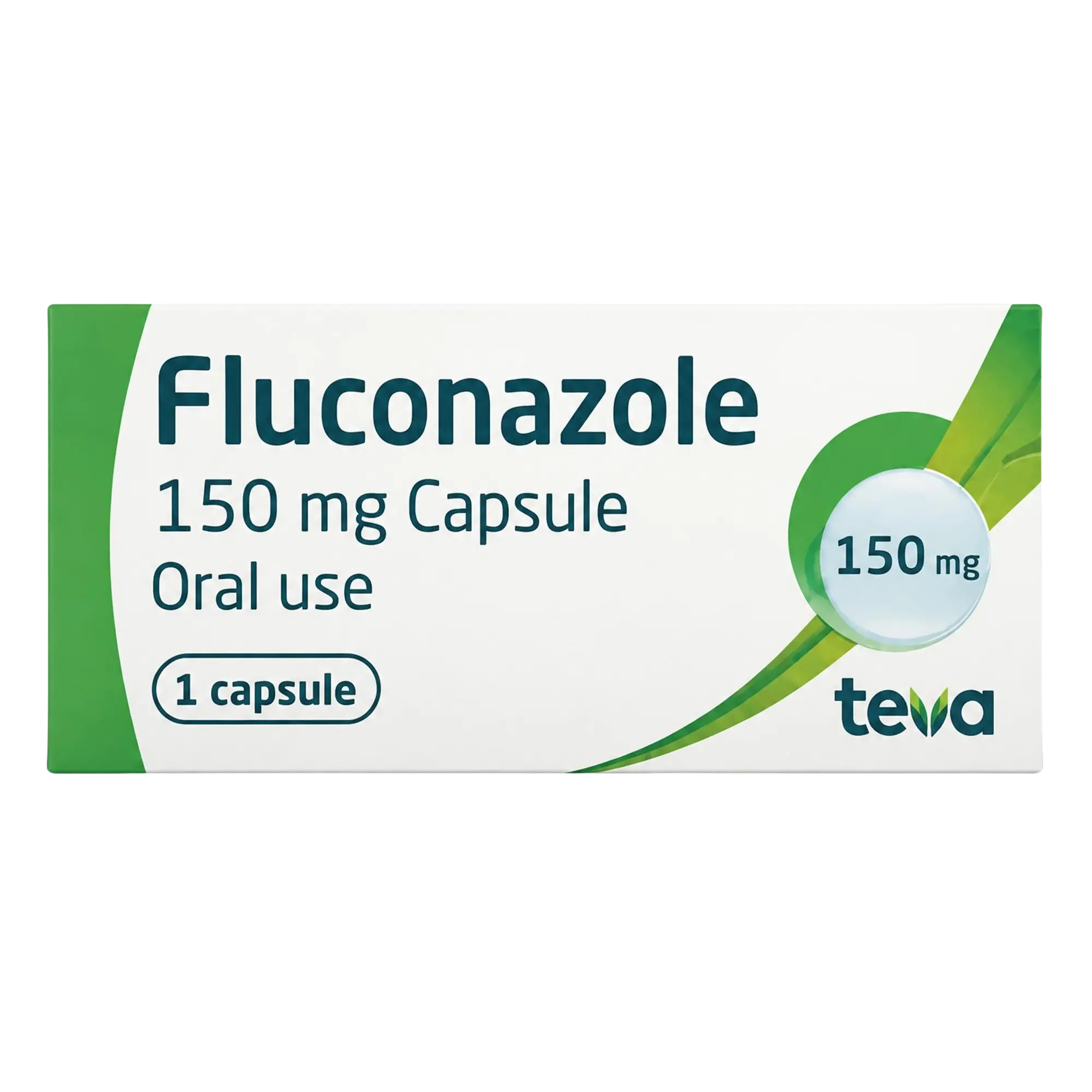
Fluconazole Capsule
£3.50
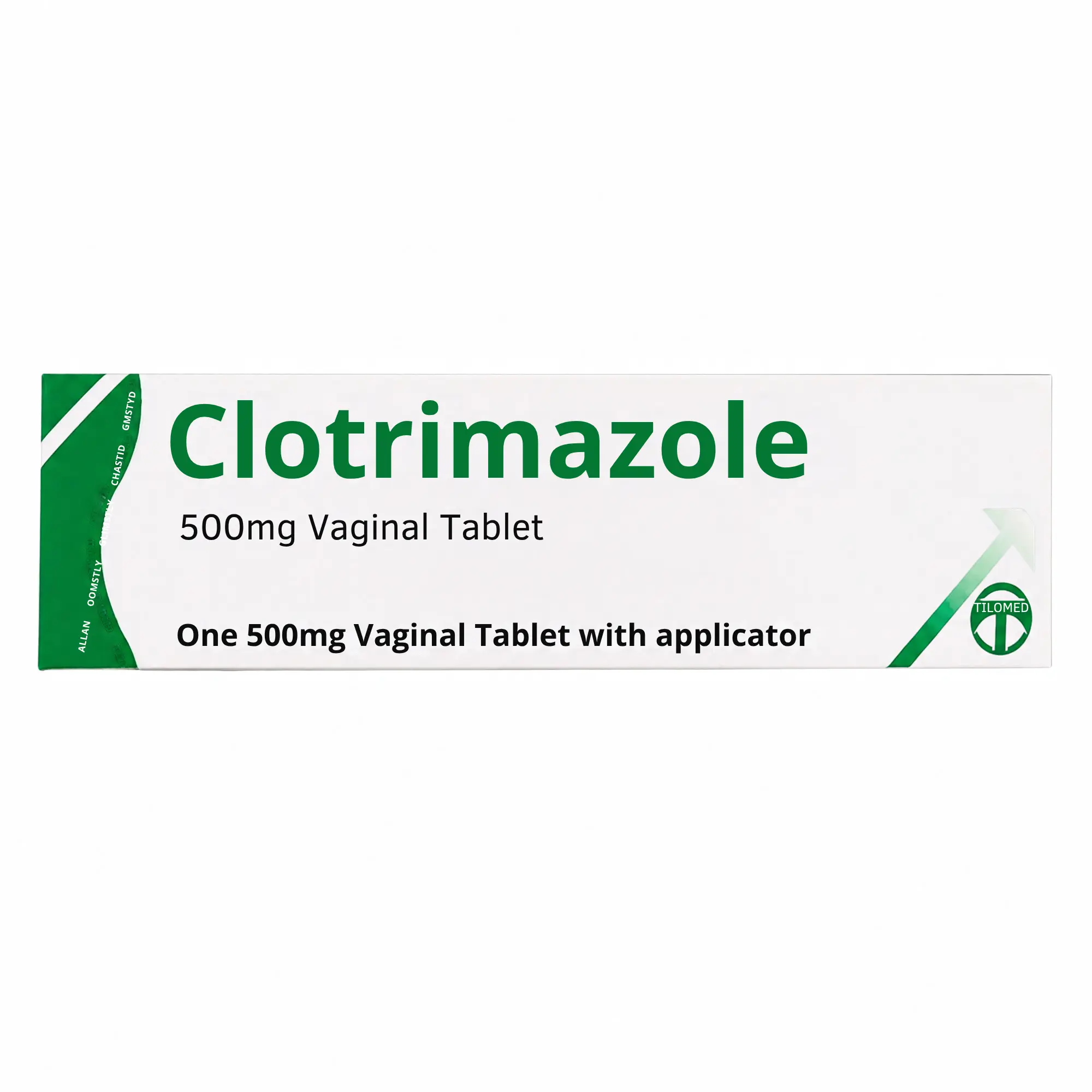
Clotrimazole Vaginal Tablet
£8.10
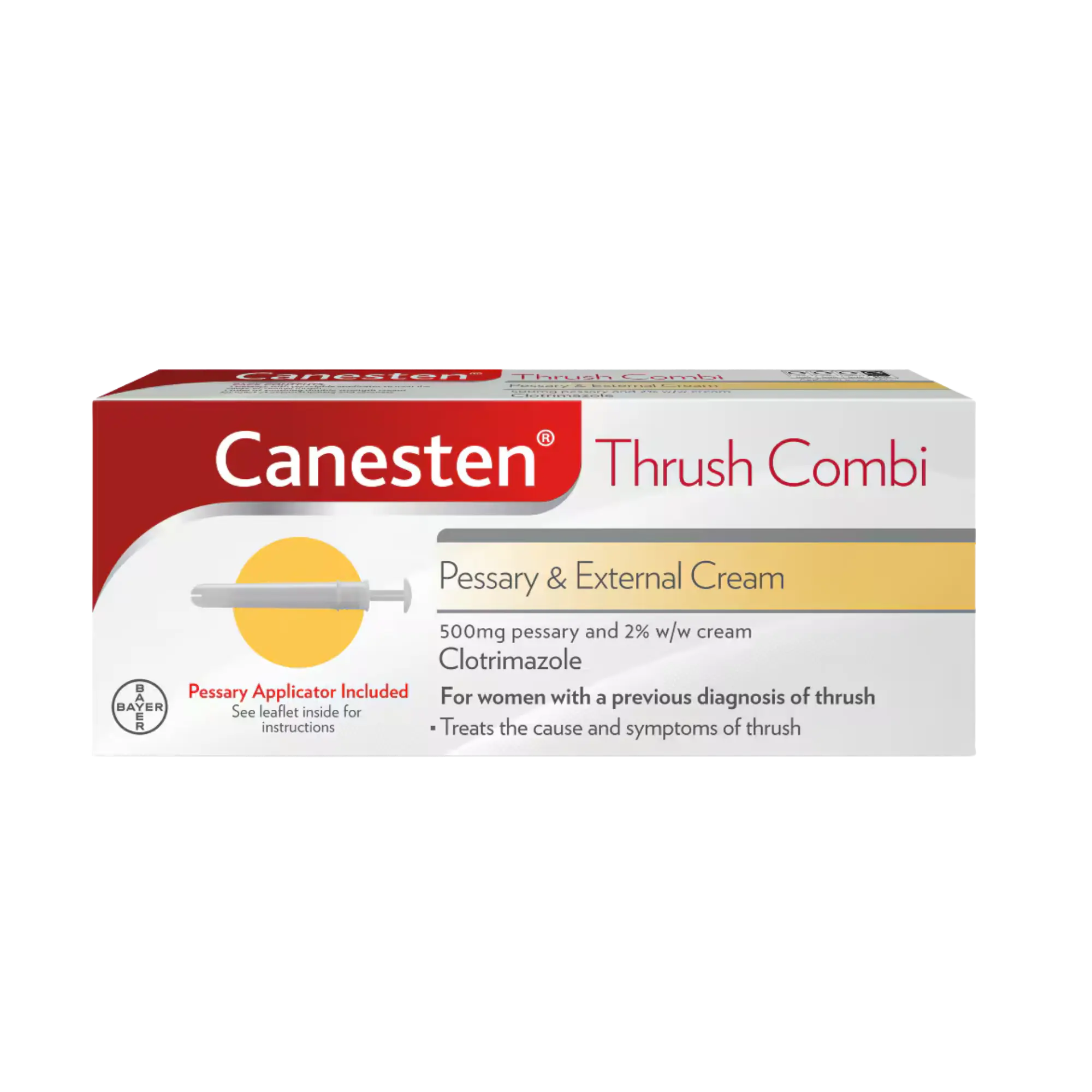
Canesten Thrush Combi Pessary & External Cream
£17.99
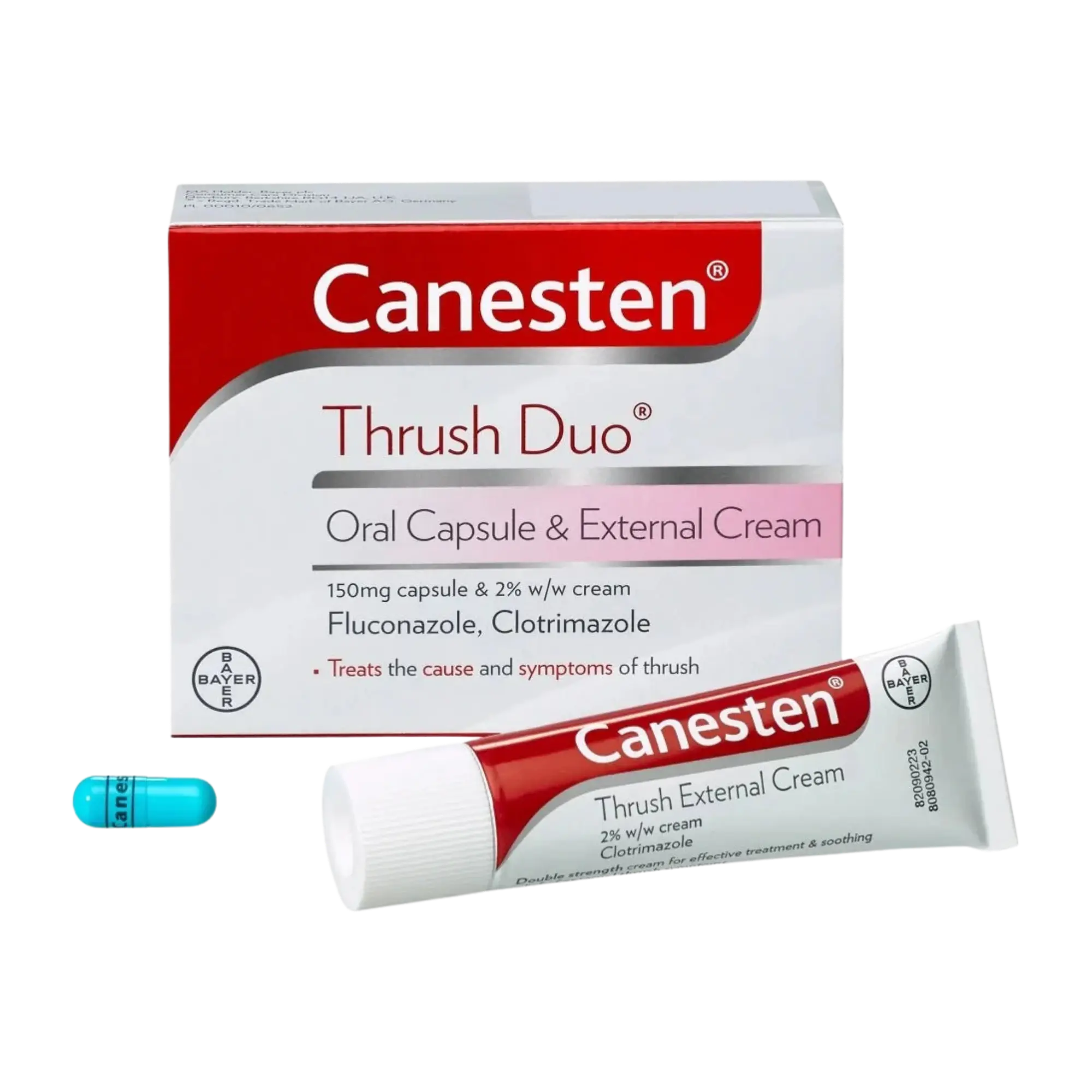
Canesten Thrush Duo
£18.90
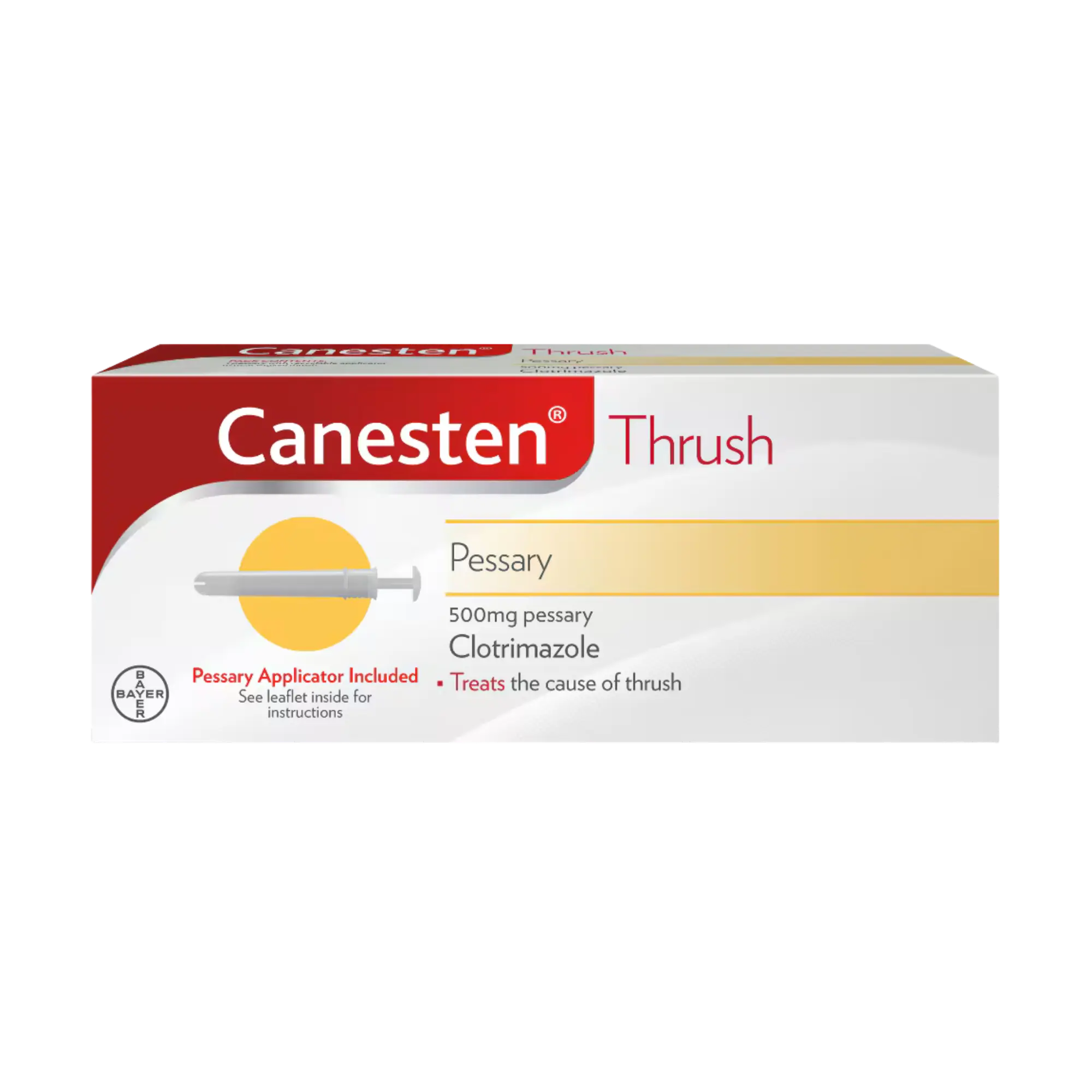
Canesten Vaginal Pessary
£12.50
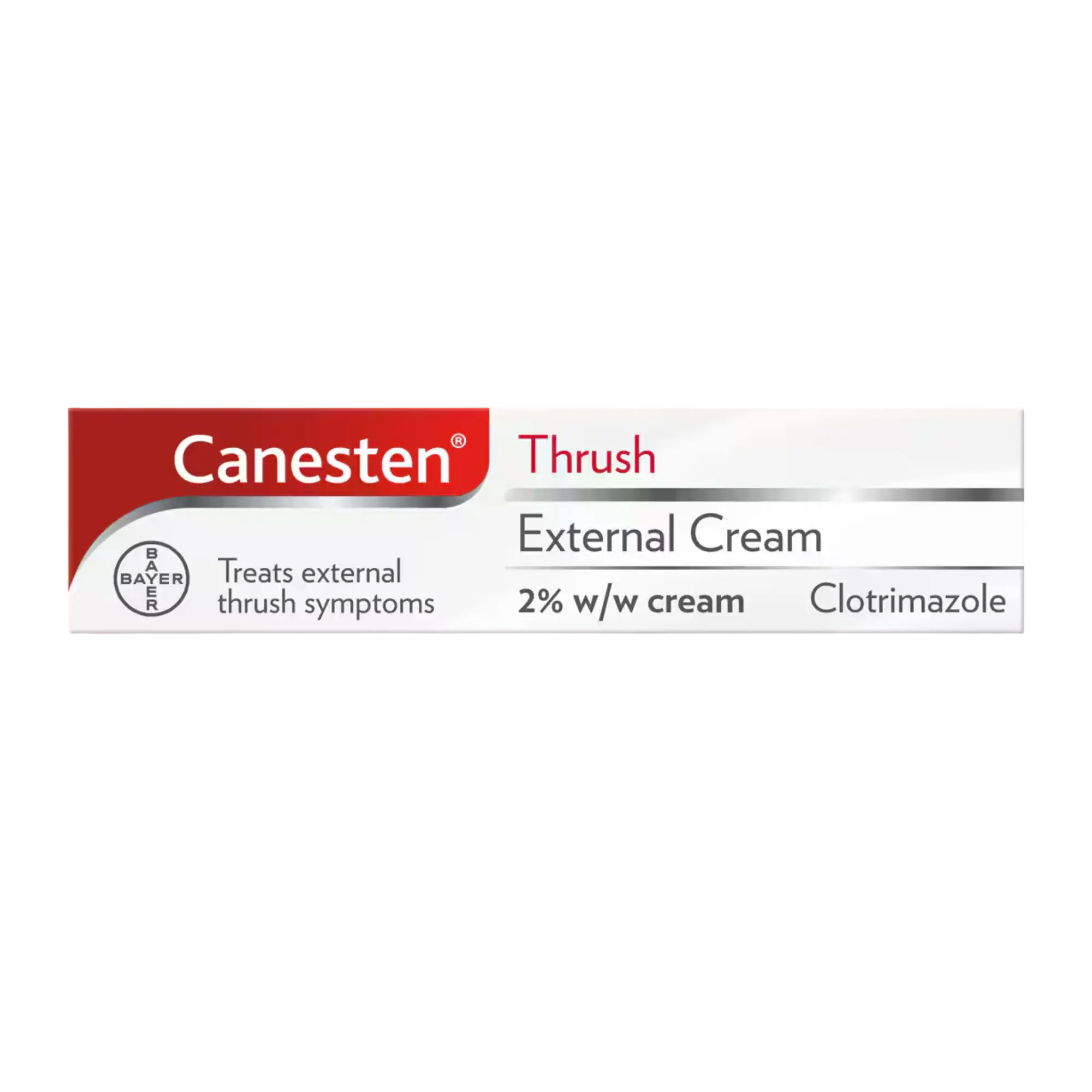
Canesten Thrush External Cream
£9.50
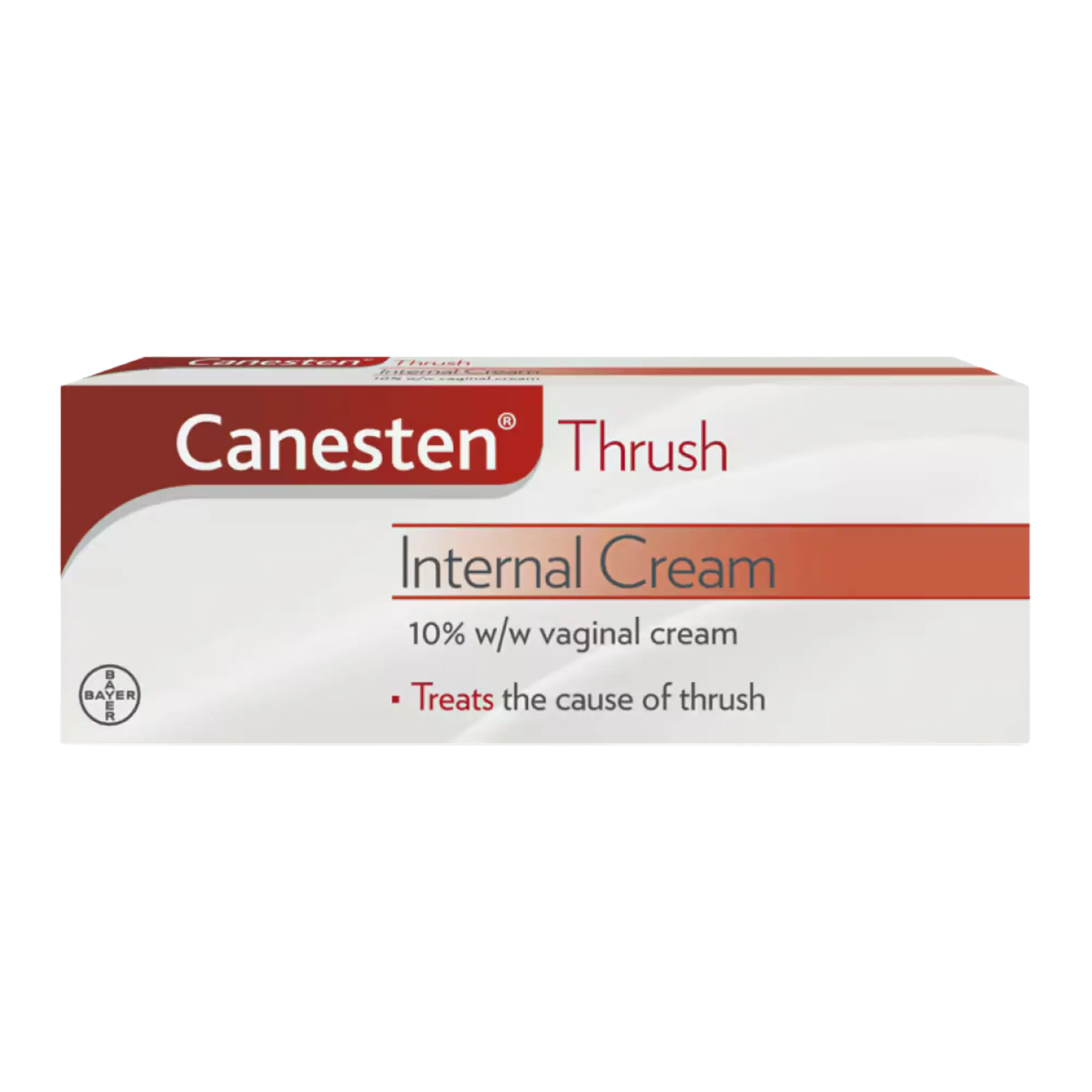
Canesten Thrush Internal Vaginal Cream
£12.50
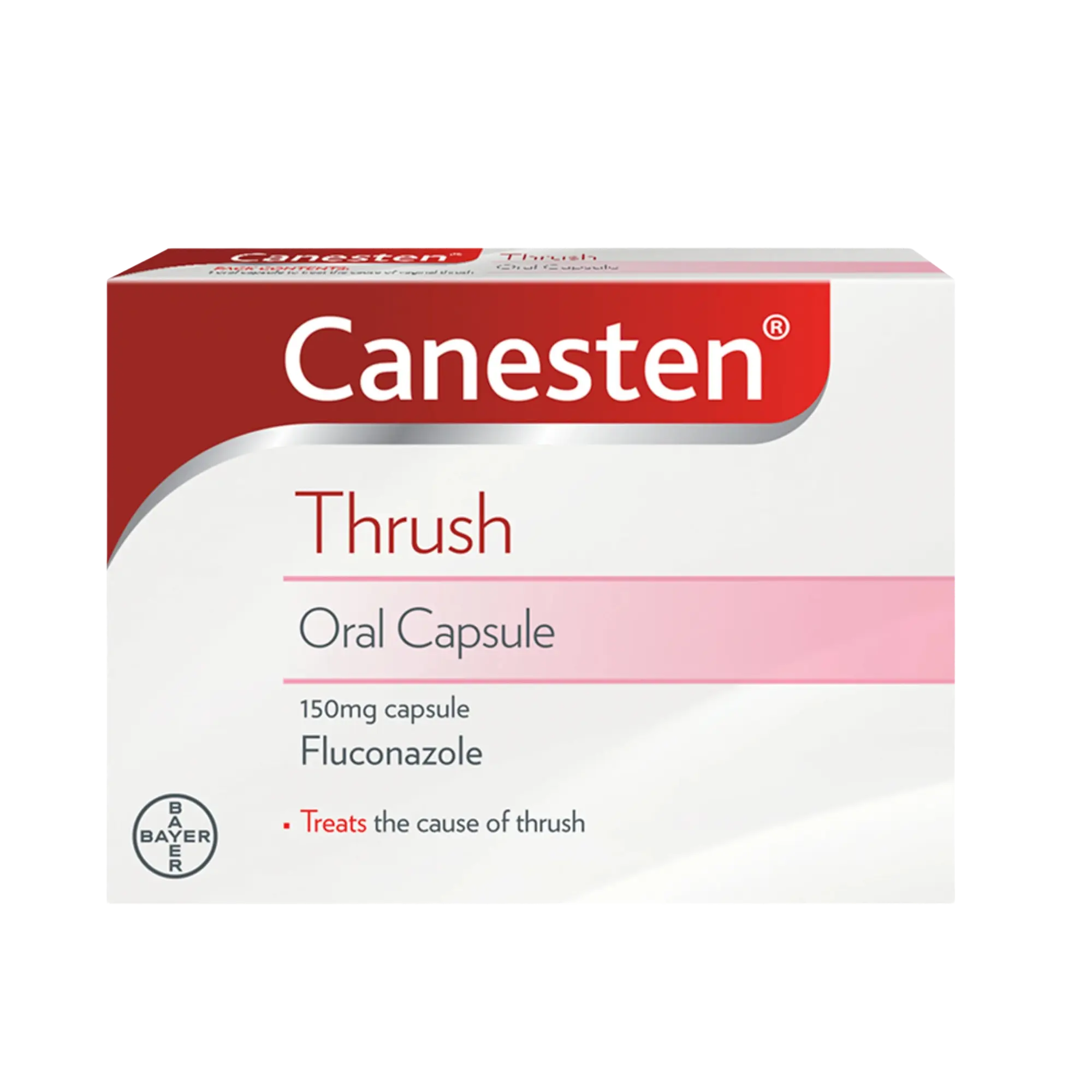
Canesten Oral Capsule
£12.99
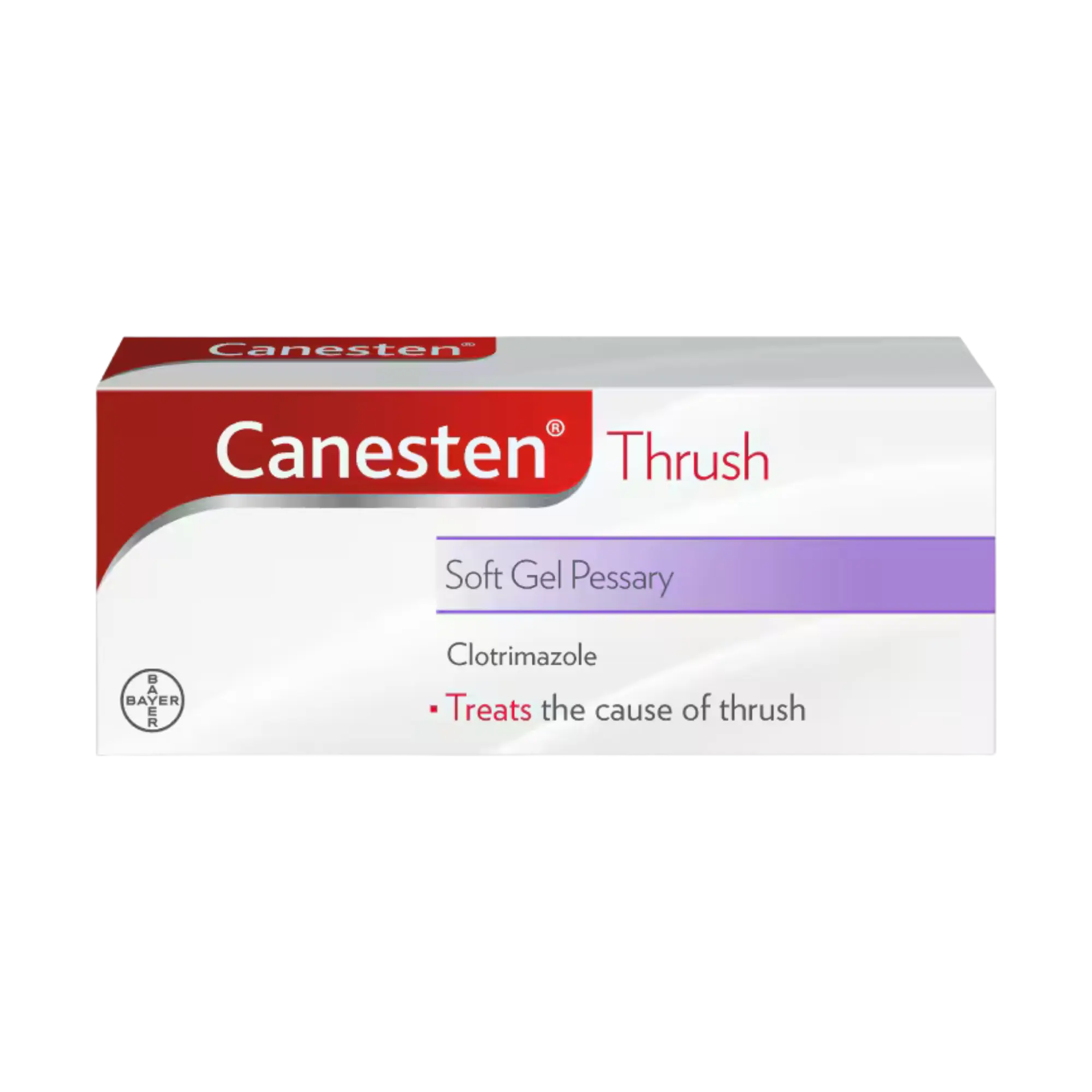
Canesten Thrush Soft Gel Pessary
£15.95
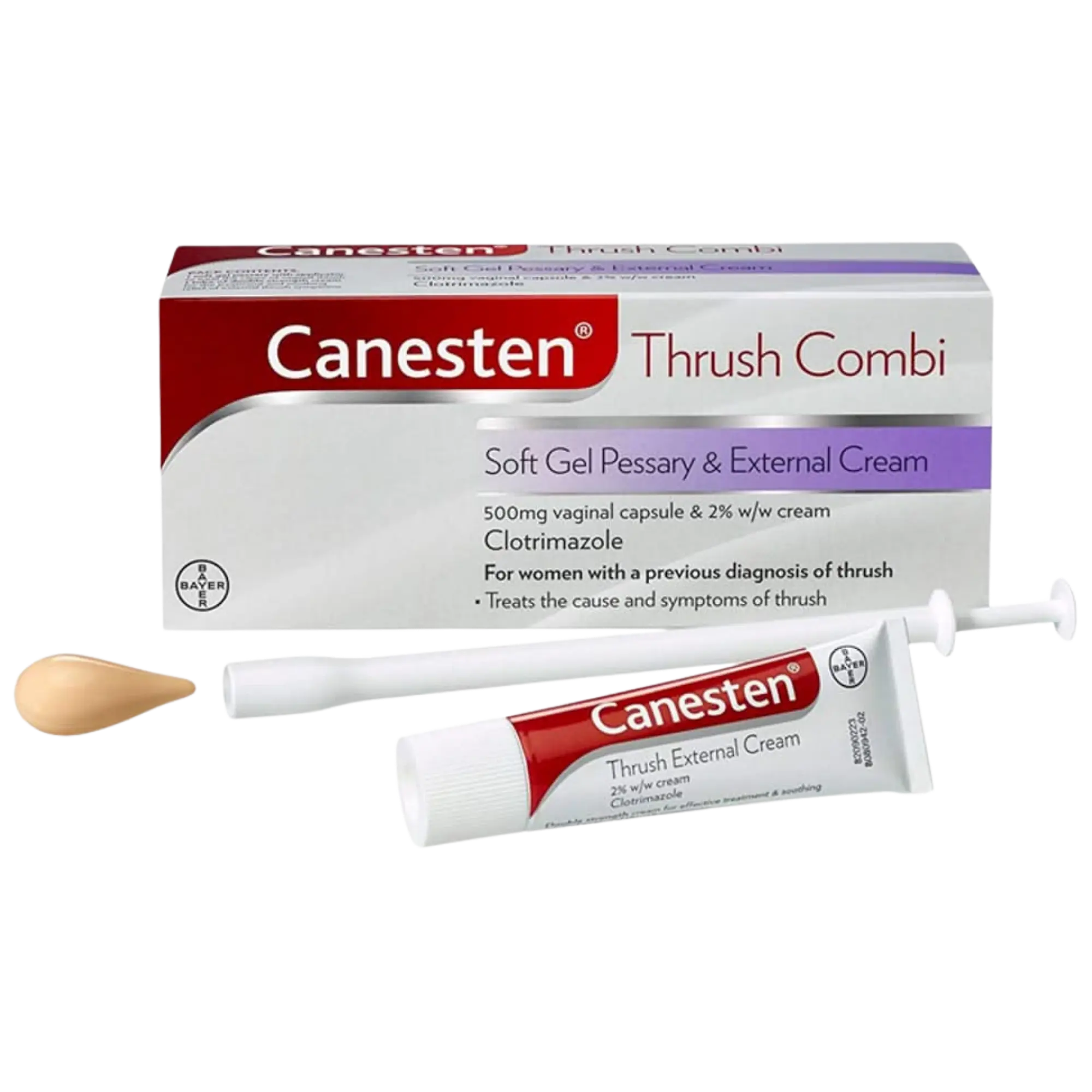
Canesten Thrush Combi Soft Gel Pessary & External Cream
£12.99
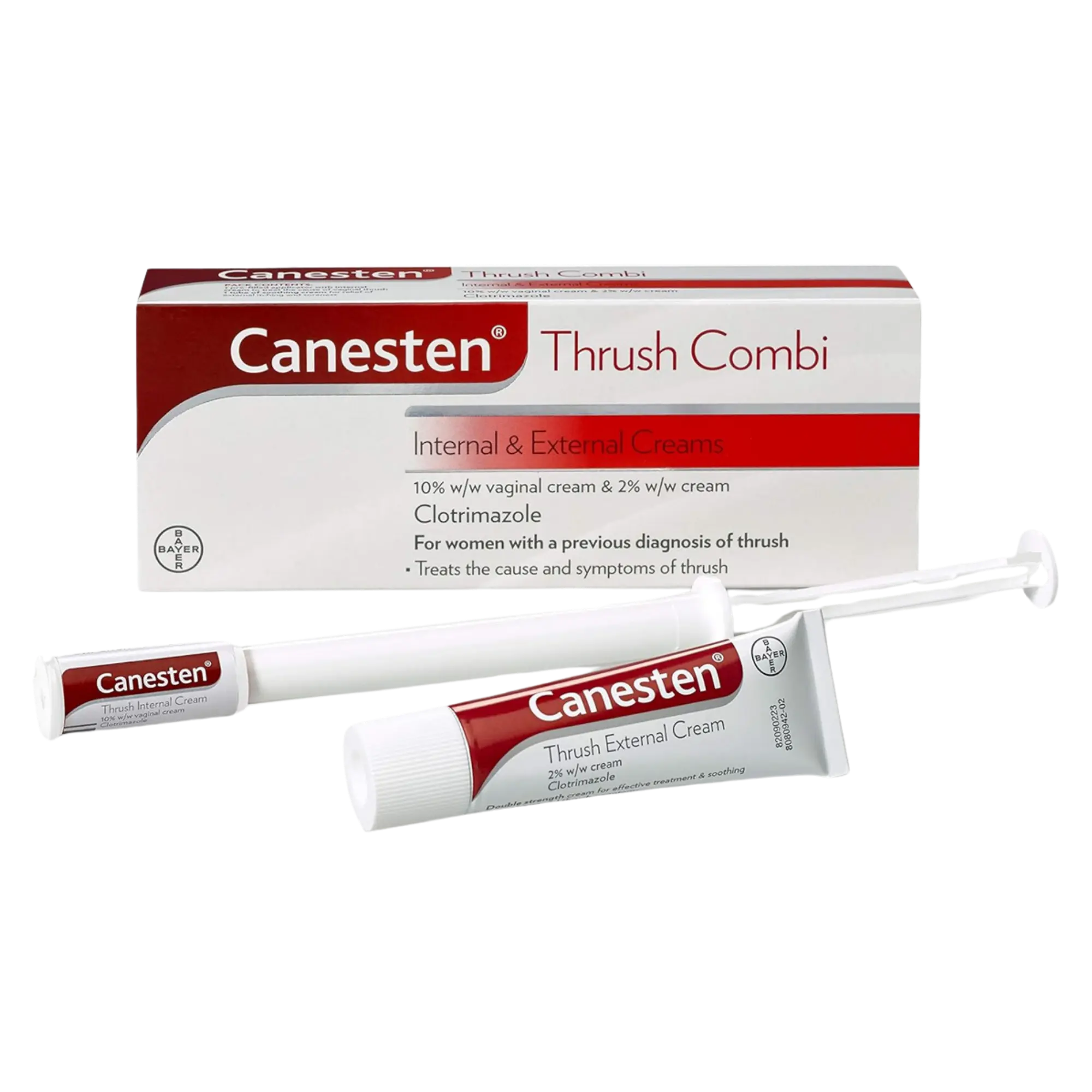
Canesten Thrush Combi Internal & External Creams
£17.99
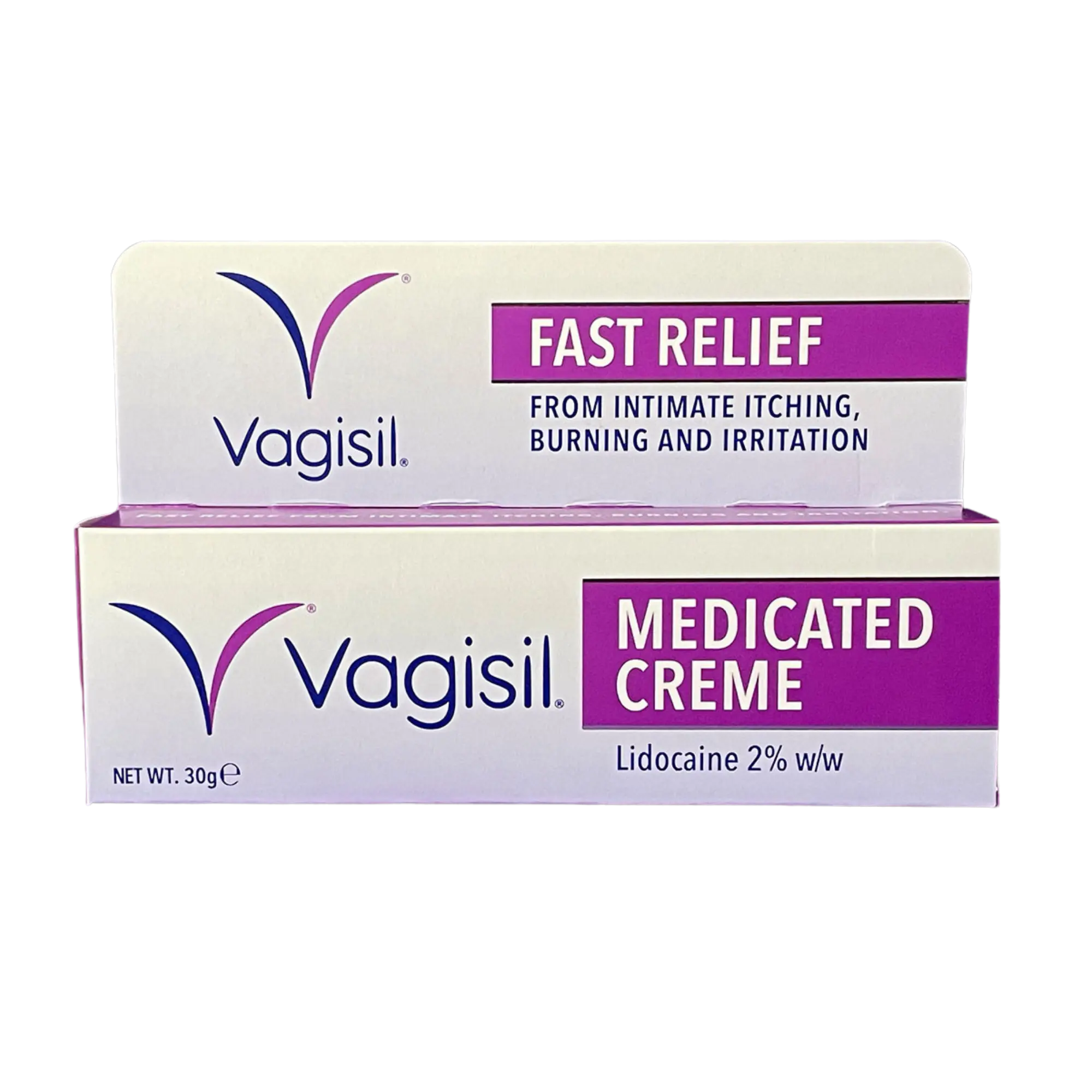
Vagisil Medicated Creme
£6.10
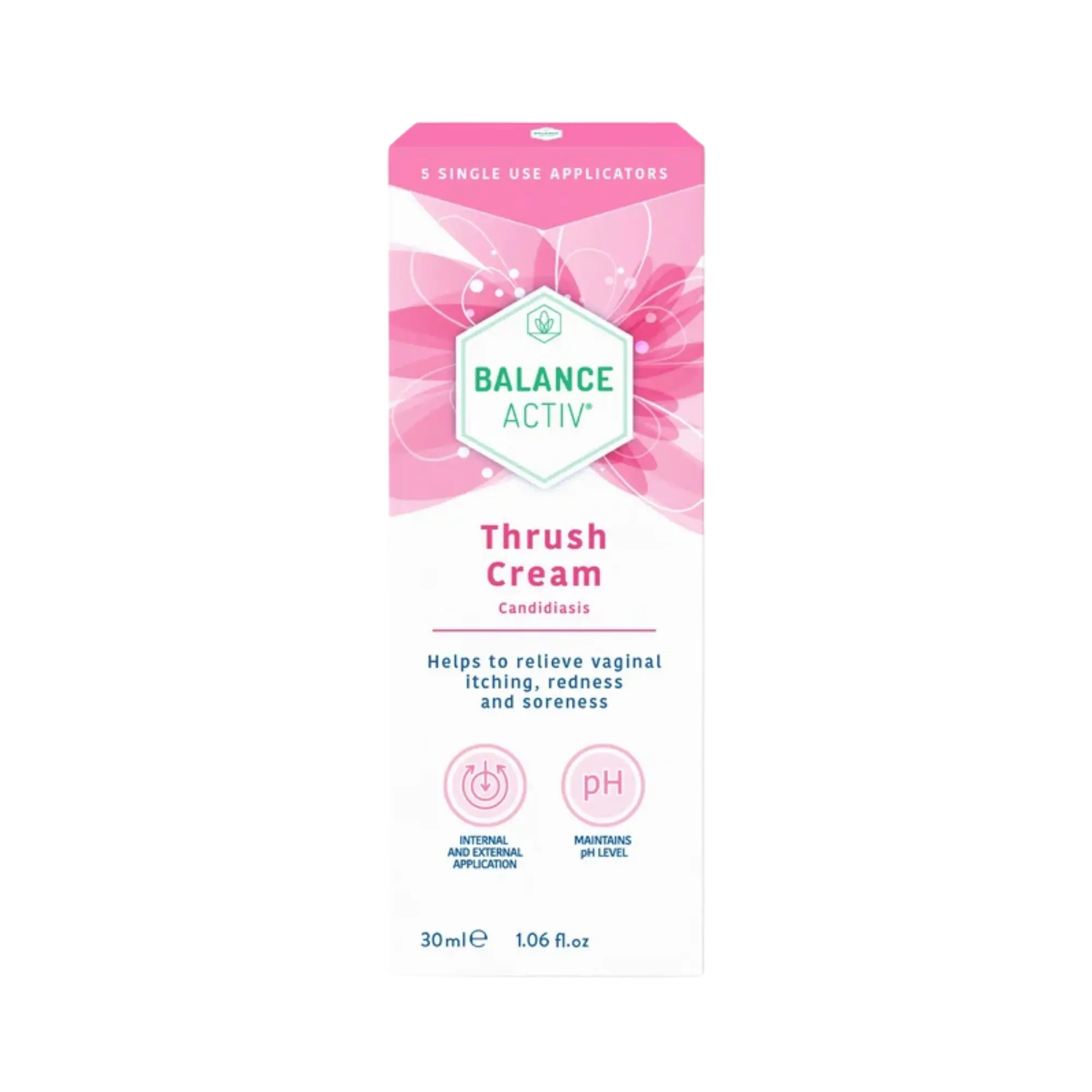
Balance Activ Thrush Cream
£9.20
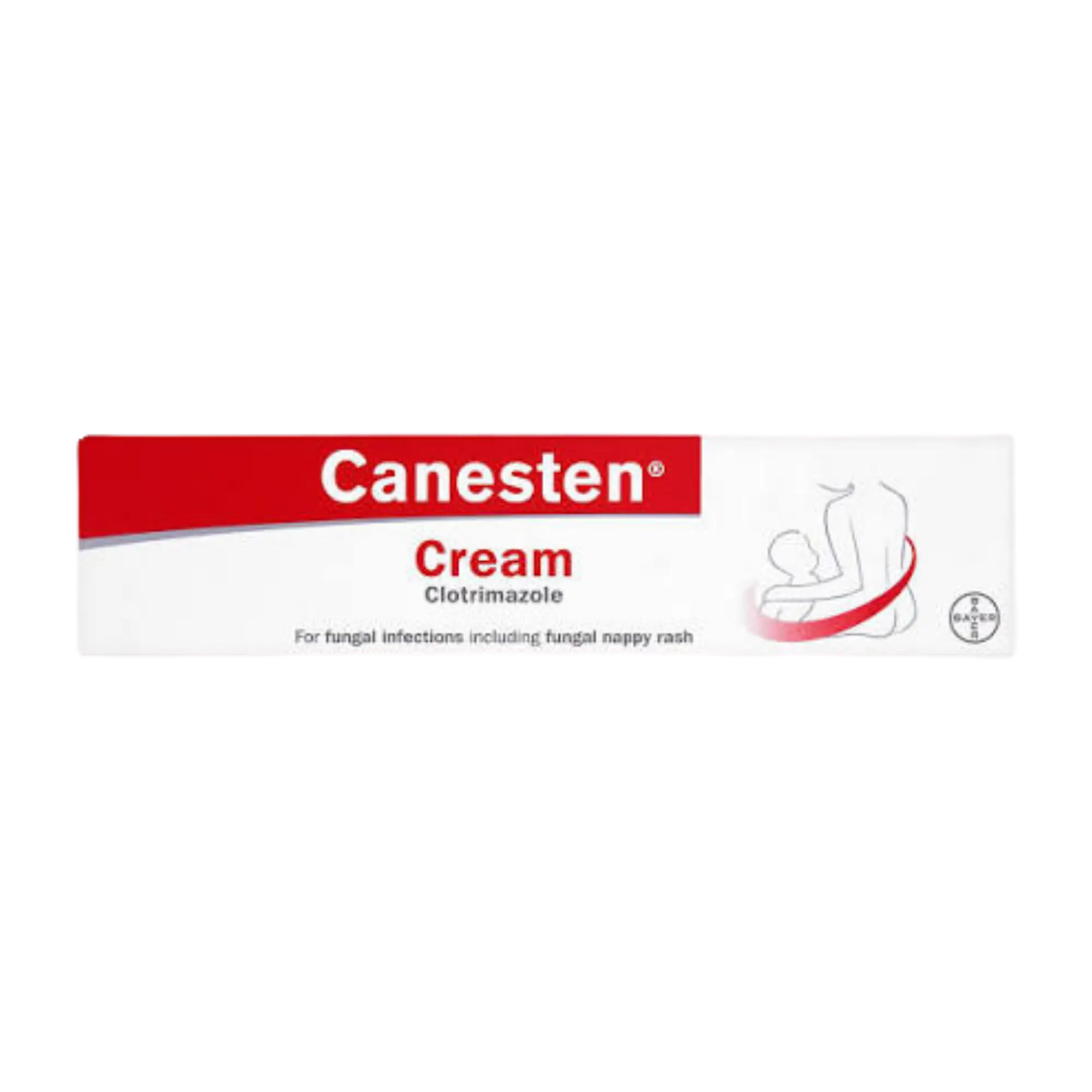
Canesten Cream (Clotrimazole)
£5.10
Thrush treatments
Showing 14 of 14
Frequently Asked Questions
Everything you need to know
Is thrush an STI?+−
No, thrush is not considered a sexually transmitted infection, although it can be occasionally passed between sexual partners.
Can men get thrush?+−
Yes, although less common, men can get thrush, particularly if they have diabetes, after antibiotics or if their immune system is weakened.
Can sex make thrush worse?+−
Sex can be uncomfortable while you have thrush.
Some antifungal creams may also weaken latex condoms and diaphragms, making them less effective. You should avoid sex while undergoing treatment if this is your method of contraception.
Can antibiotics cause thrush?+−
Yes, antibiotics can reduce the healthy bacteria that normally keep Candida under control, making thrush more likely.
How long does thrush last? +−
With treatment, symptoms often begin to improve within a few days and are usually clear within one week.
Can I use over the counter treatment?+−
Yes, there are antifungal options available over-the-counter.
Thrush is a common fungal infection caused by an overgrowth of a type of yeast called Candida Albicans. This yeast lives on the skin, in the mouth, gut and vagina, usually without causing problems.
When certain conditions upset the natural balance of the yeast, it overgrows and leads to symptoms of thrush.
Most people experience thrush at some point in their lives. While it can be uncomfortable, it is usually not serious and can be treated with antifungal medication.
What Causes Thrush?
Thrush develops when the yeast, Candida Albicans, grows more than it should. This usually happens because something has disrupted the normal balance of bacteria and yeast.
Vaginal thrush may sometimes be referred to as vaginal candidiasis.
Common causes and risk factors include:
Taking antibiotics - this can reduce healthy bacteria that normally keep Candida under control
Pregnancy - due to hormonal changes
Diabetes - Particularly if your blood sugar levels are not well controlled
A weakened immune system
Menstrual cycle - hormonal changes during this period
Hormonal contraception or hormone replacement therapy (HRT)
Underwear - wearing tight fitting or non-breathable underwear for long periods
Warm, moist environments - these encourage yeast growth
Irritation - using scented soaps, bubble baths or vaginal products may irritate the area
Sometimes thrush can develop without any obvious cause. Having thrush does not mean you have poor hygiene. In fact, washing too often or using harsh products can make symptoms worse by disrupting the body’s natural balance.
How Does Thrush Spread?
Thrush is generally considered not contagious, and it is not classified as an STI, however:
It can occasionally be passed during vaginal, oral or anal sex.
A breastfeeding mother and baby can pass oral thrush between each other .
People with weakened immune systems may be more vulnerable to developing infections
If you have vaginal thrush, it is recommended to avoid sex until symptoms have cleared.
What Are The Symptoms Of Thrush?
Symptoms Of Vaginal Thrush
Symptoms can vary from person to person, but common signs include:
Intense itching around the vagina and vulva.
Soreness or irritation.
A thick, white vaginal discharge - this may resemble cottage cheese.
Burning when passing urine.
Pain or discomfort during sex.
Some experience mild symptoms whilst others may find irritation severe enough to affect everyday activities.
Symptoms Of Thrush In Men
Symptoms of thrush in men include:
A white discharge - may resemble cottage cheese.
Burning, irritation and redness around the head of the penis and under the foreskin.
An unpleasant smell.
Difficulty pulling back the foreskin.
Men are more likely to develop thrush if they have diabetes, have recently taken antibiotics, or have a weakened immune system.
Symptoms Of Oral Thrush
Symptoms of oral thrush in adults:
The mouth is red inside with white patches - when wiping these white patches, they can leave red spots which bleed
Not tasting things properly
Cracks at the corners of the mouth
An unpleasant taste in the mouth
Difficulty eating or drinking
Pain in the mouth - a sore tongue or sore gums
Oral thrush is more common in babies, older adults, people using steroid inhalers and those with weakened immune systems.
What Is The Fastest Way To Get Rid Of Thrush?
Antifungal medications are the quickest and most effective treatment for thrush.
Antifungal Pessaries
A pessary is a tablet that is inserted into the vagina, usually at bedtime. They work by delivering the antifungal medication directly to the source of the infection. Many treatments work with just a single dose.
Antifungal Cream
An antifungal cream can be applied to the vulva to soothe soreness and itching.
An internal cream is used inside the vagina, similar to a pessary. An applicator is used to deliver the medication and is usually used at bedtime.
Antifungal Tablet
An antifungal tablet such as fluconazole can also be used to treat thrush. This is a single dose and can be convenient for many adults, although not suitable for everyone.
Most people notice improvement of symptoms with treatment within a few days, although it can take up to a week to completely settle.
With so many treatment options available, it can feel overwhelming to decide which one is right for you. Our dedicated treatment comparison guide breaks down the treatment options, and as always, you can contact the clinical team at Quick Meds for advice before placing your order.
Can Thrush Go Away On Its Own?
Mild cases sometimes improve without treatment, but symptoms may last longer and the infection can return.
Treating thrush with antifungal medication usually provides faster symptom relief and helps clear the infection more reliably.
Can You Prevent Thrush?
You cannot always prevent thrush but these habits may help reduce the risk:
Wear breathable cotton underwear.
Avoid staying in damp clothing after swimming or exercise.
Avoid scented intimate hygiene products.
Only take antibiotics when prescribed.
Monitor your diabetes to help keep it controlled.
Wipe from front to back after using the toilet.
Self Care Tips
Here are some self care tips which may help reduce irritation:
Apply a cool compress to help numb intense burning or itching.
Wash with water or an unperfumed emollient instead of harsh cleansers.
Pat dry gently after washing instead of rubbing.
Try to avoid scratching the area.
Take a break from sex.
When Should You Seek Medical Attention?
You should see your GP or appropriate healthcare professional if:
You have thrush for the first time.
You are pregnant or breastfeeding.
You are under 16 or over 60.
Thrush keeps coming back (more than 4 times in 12 months).
You have a weakened immune system - conditions such as diabetes or HIV or chemotherapy.
Treatment for thrush has not worked.
References
https://www.nhs.uk/conditions/thrush-in-men-and-women/
https://www.nhsinform.scot/illnesses-and-conditions/sexual-and-reproductive/thrush/
https://www.nhs.uk/medicines/fluconazole/how-and-when-to-take-fluconazole/
https://patient.info/medicine/clotrimazole-for-vaginal-thrush-canesten
https://www.nhs.uk/conditions/oral-thrush-mouth-thrush/
https://www.nhs.uk/best-start-in-life/baby/feeding-your-baby/breastfeeding/breastfeeding-challenges/thrush/
https://www.kingsfoldmedicalcentre.co.uk/pages/Vaginal-Thrush