Types of acne treatments
Acne skin treatment options range from over-the-counter products to prescription-only acne medications. If you are seeking effective adult acne treatment, therapies are divided into topical applications (applied directly to the skin) and oral medications (capsules taken by mouth). In many cases, a healthcare professional may recommend using specific topical and oral treatments simultaneously for optimal results.
Prescription topical treatments (creams and gels)
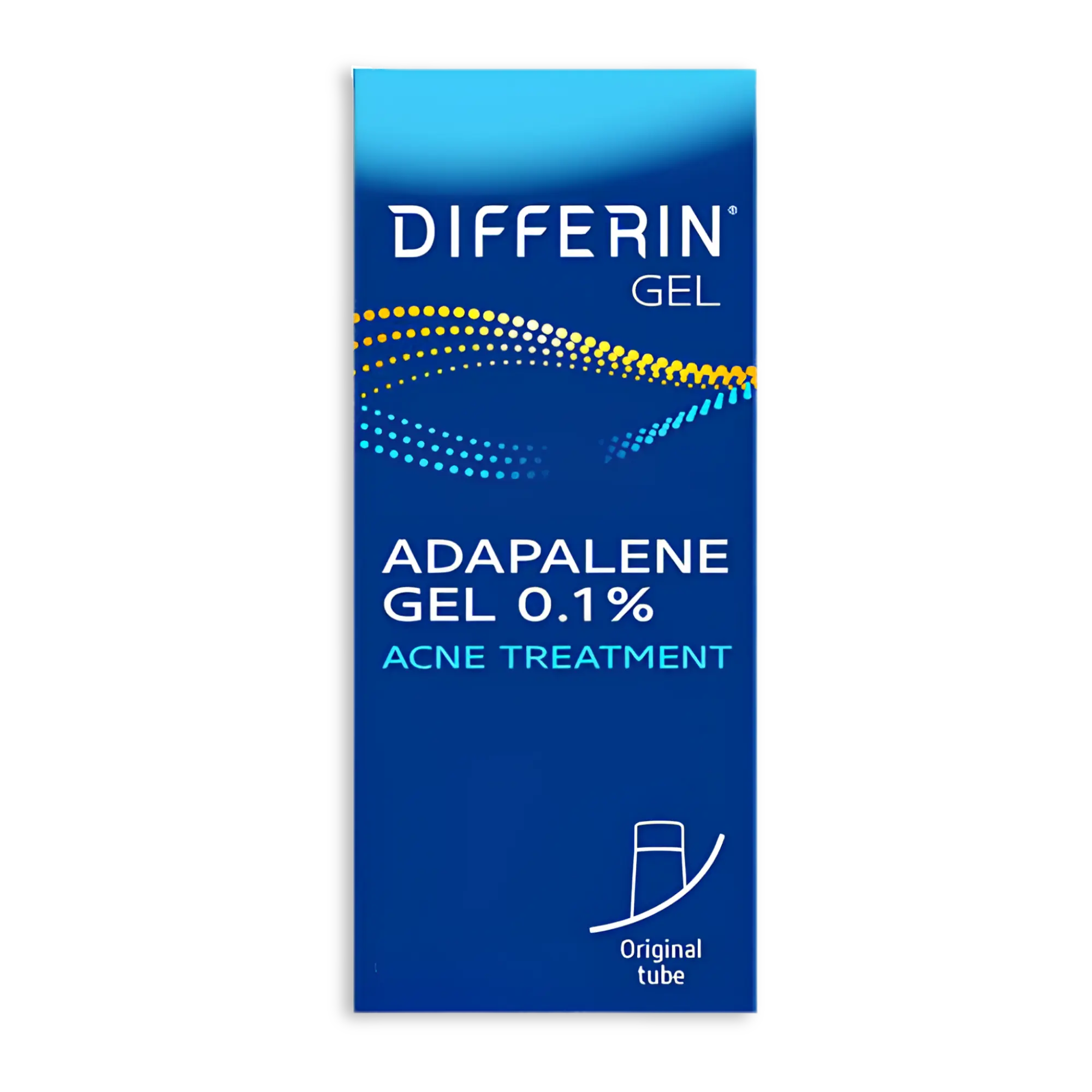
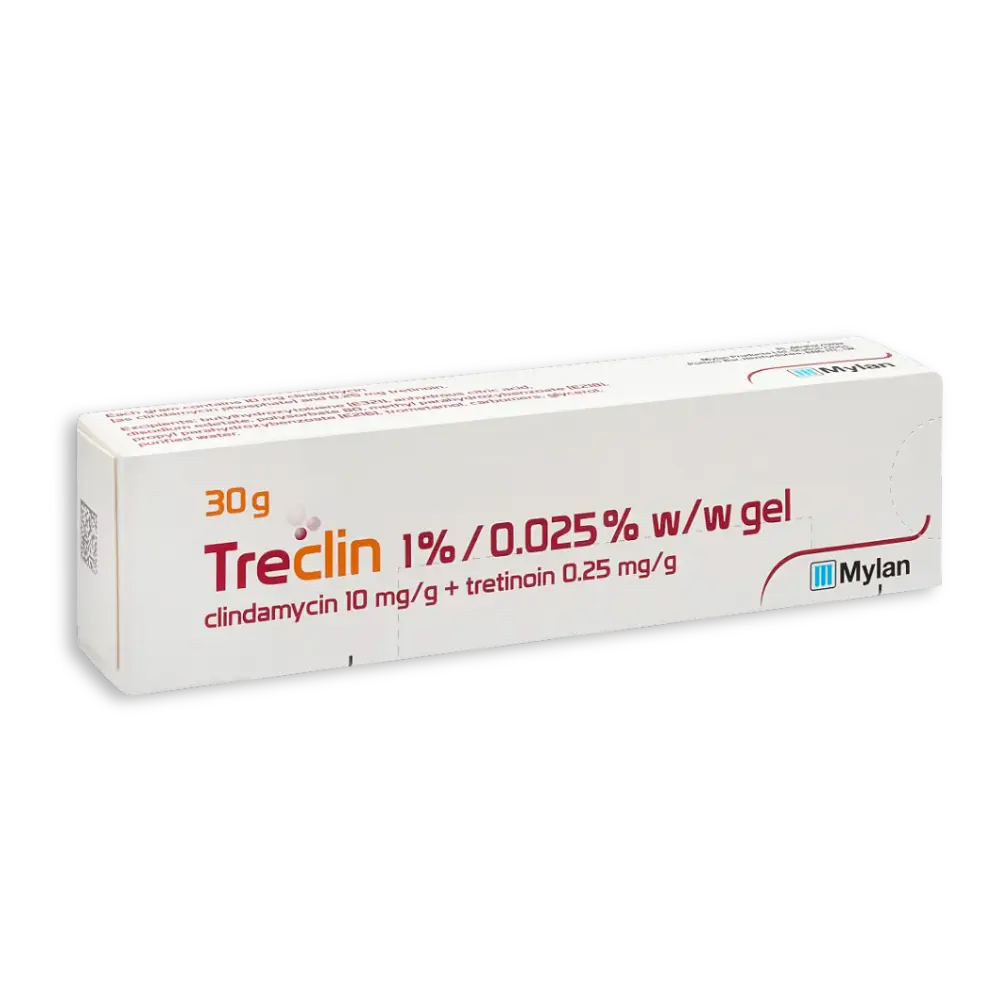
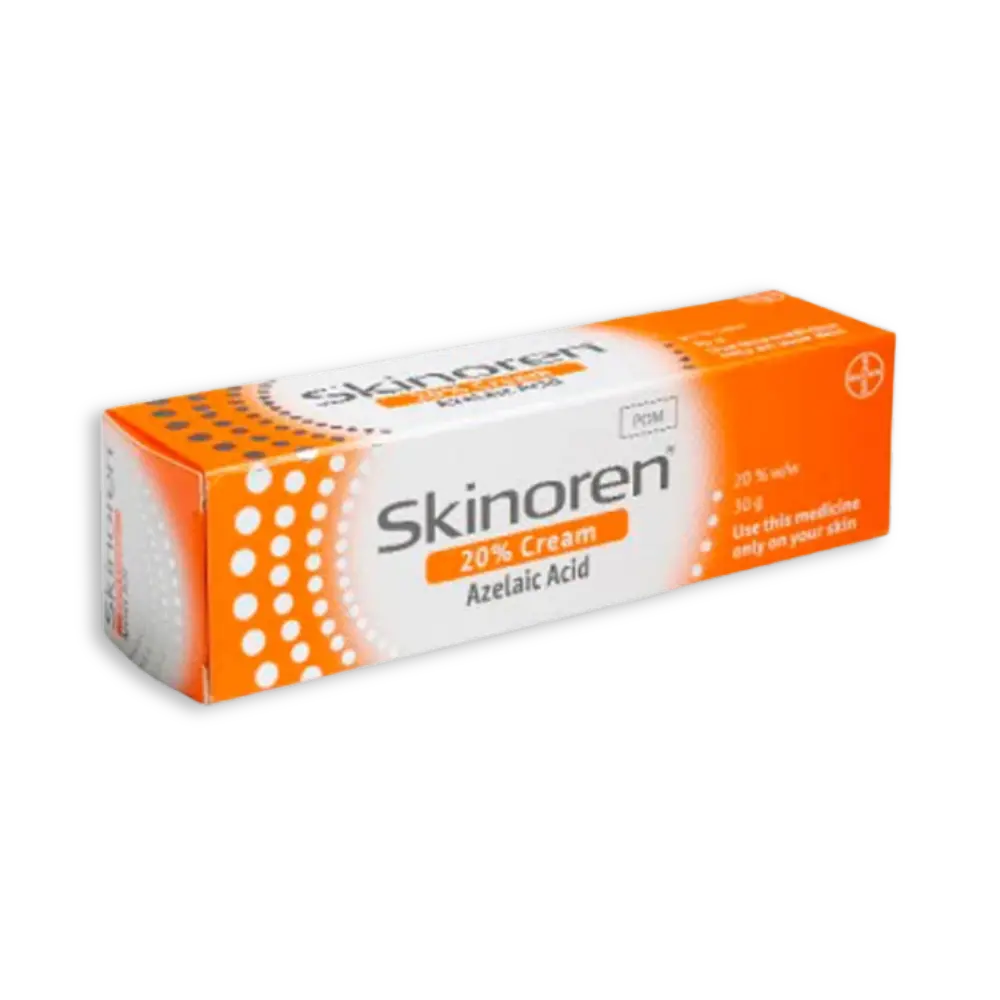
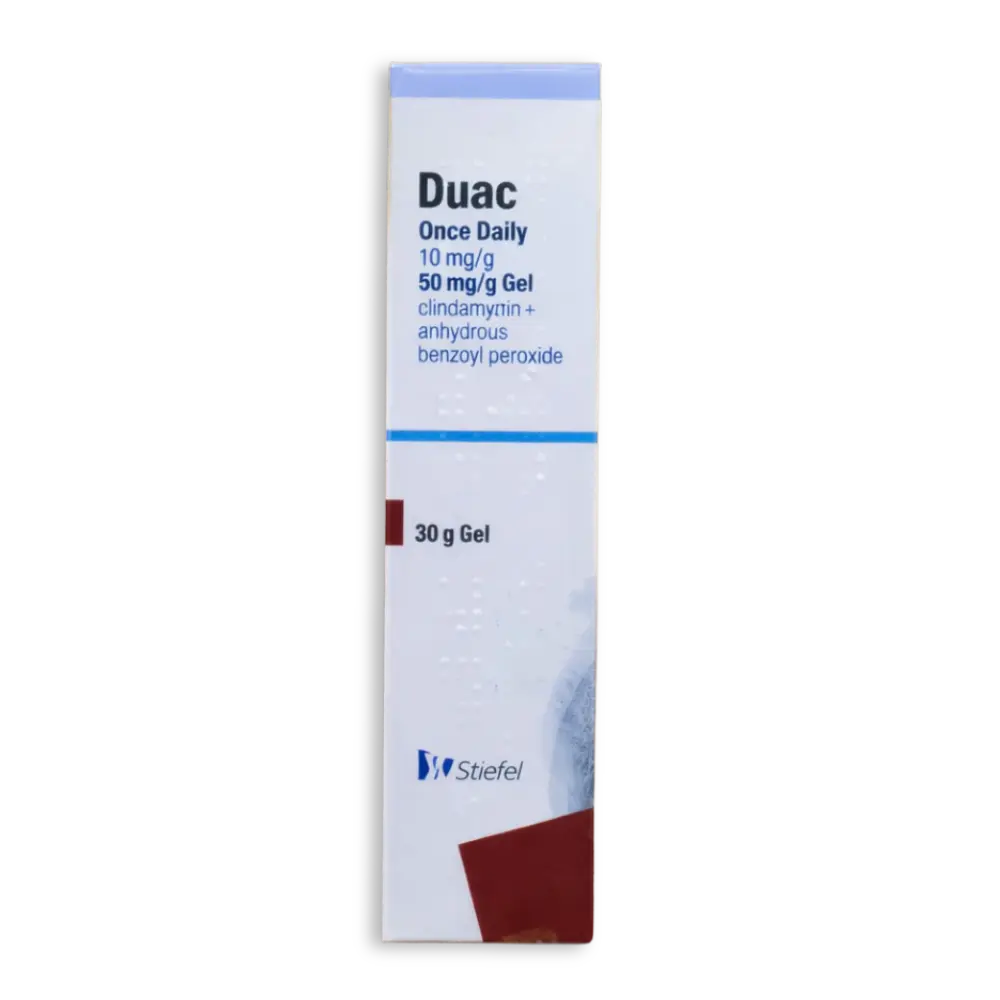
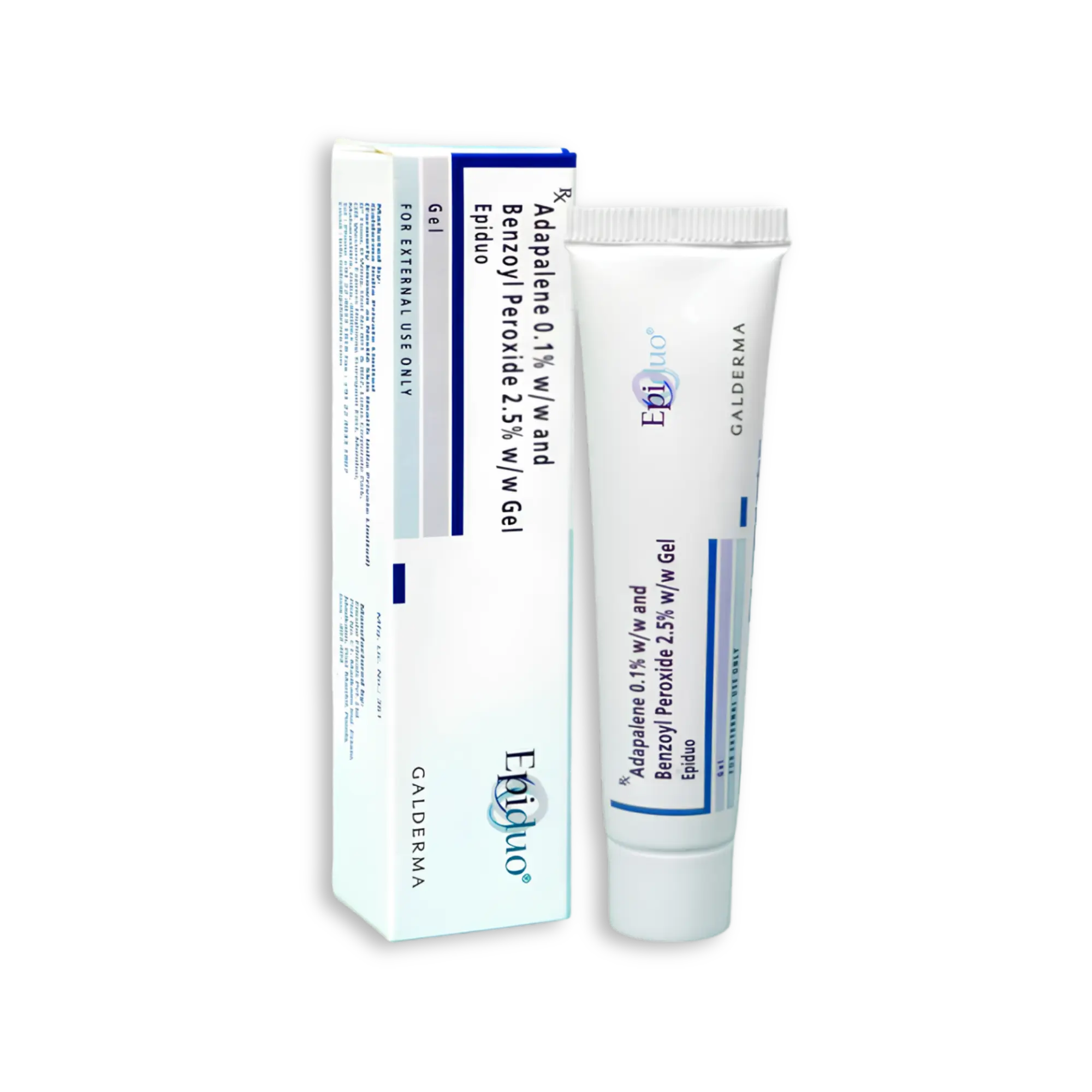
Prescription acne creams and prescription spot creams generally work by accelerating skin cell turnover, reducing inflammation, and preventing pores from becoming clogged with sebum and dead skin cells. They frequently contain active ingredients such as topical retinoids, azelaic acid, antibacterial agents or benzoyl peroxide. Popular prescription options include Epiduo, Differin, Treclin, Duac and Skinoren .
Tablet/capsule antibiotics for acne
Oral antibiotics for acne work systemically to target overgrowing acne bacteria within hair follicles and reduce widespread inflammation. Typically prescribed for moderate to severe acne or when topical treatments alone are insufficient, they are generally reviewed after 12 weeks. Oral and topical antibiotics should not be used together. Common examples include Doxycycline and Lymecycline, which are usually combined with a non-antibiotic prescription acne gel or cream to prevent bacterial resistance.
Pharmacy acne treatments
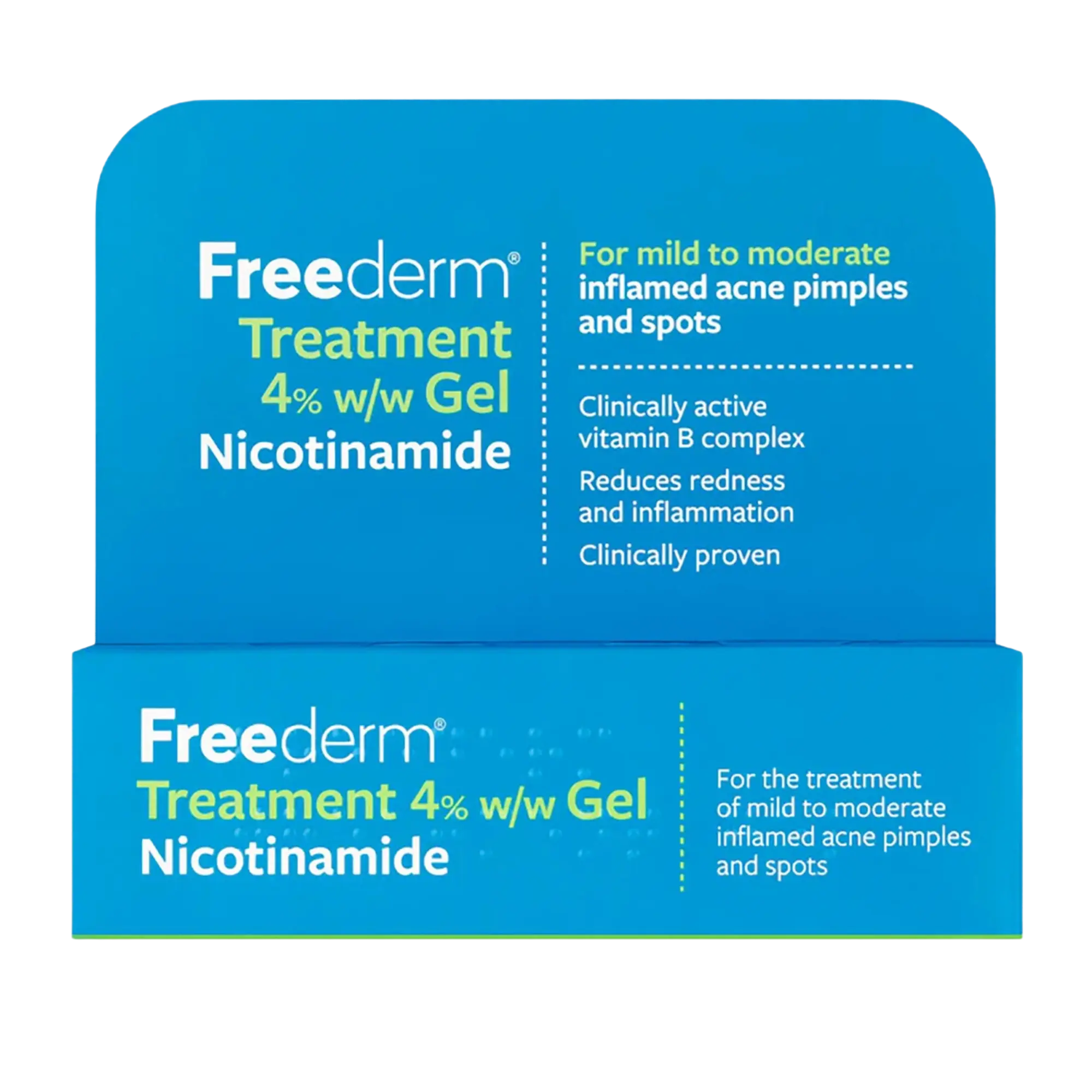
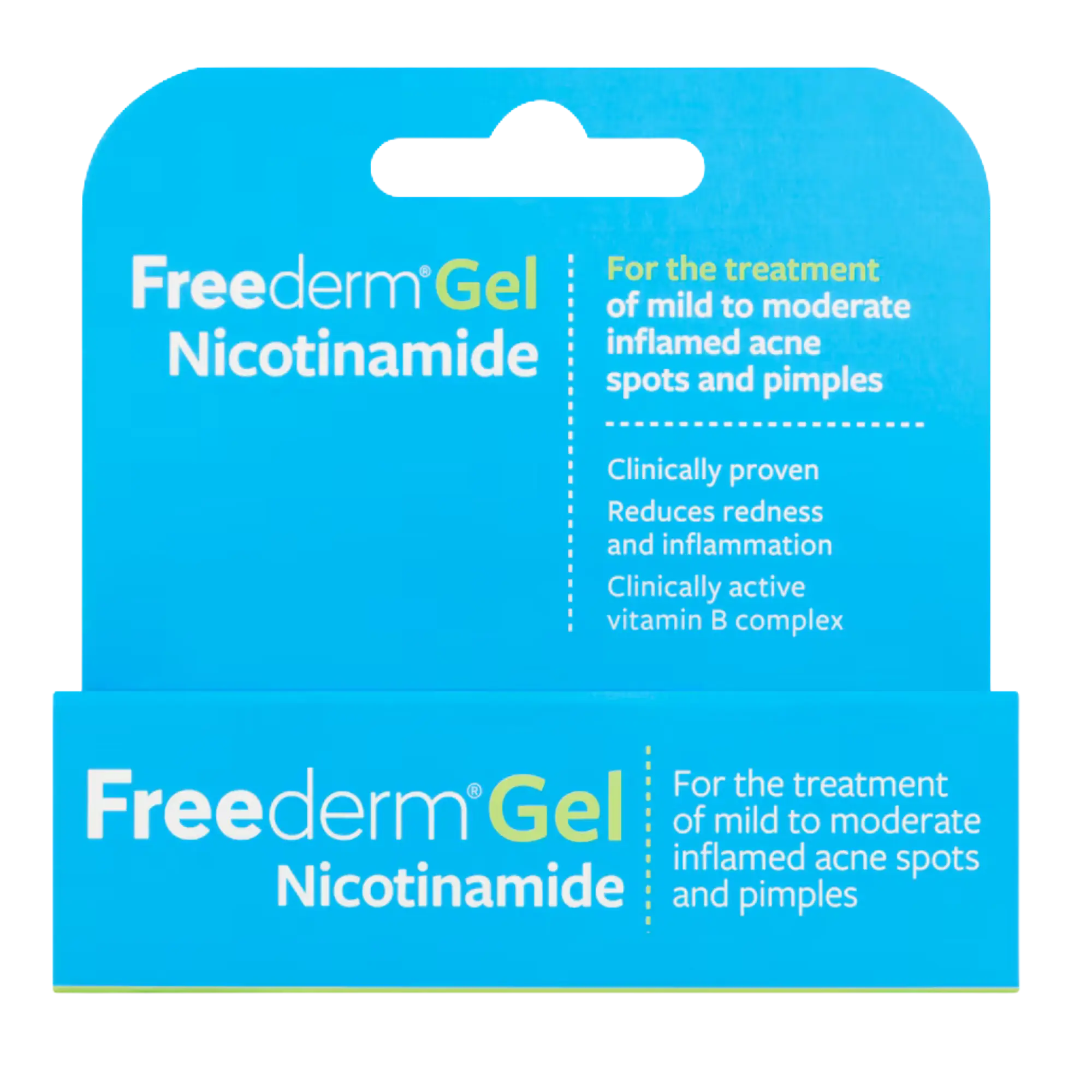
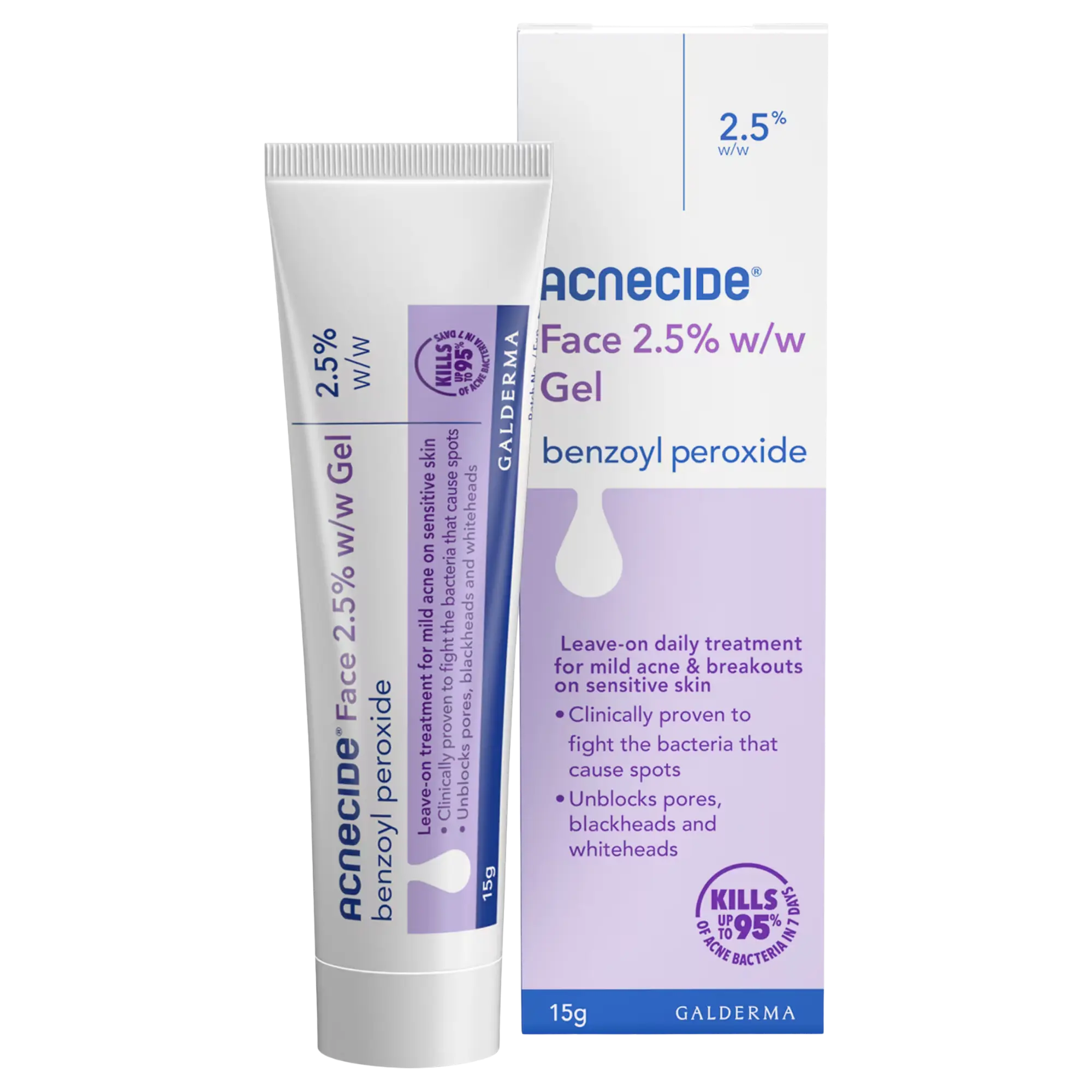
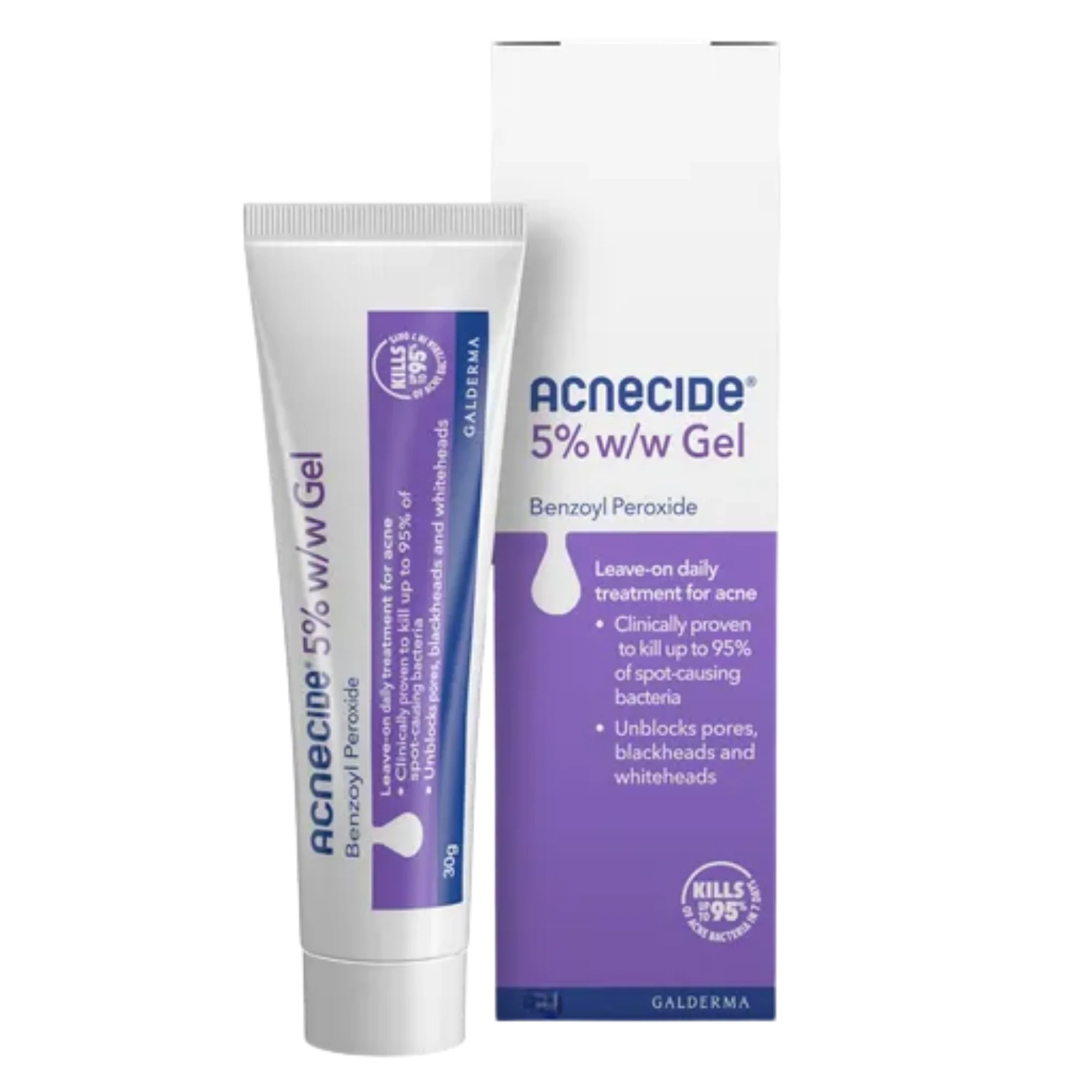
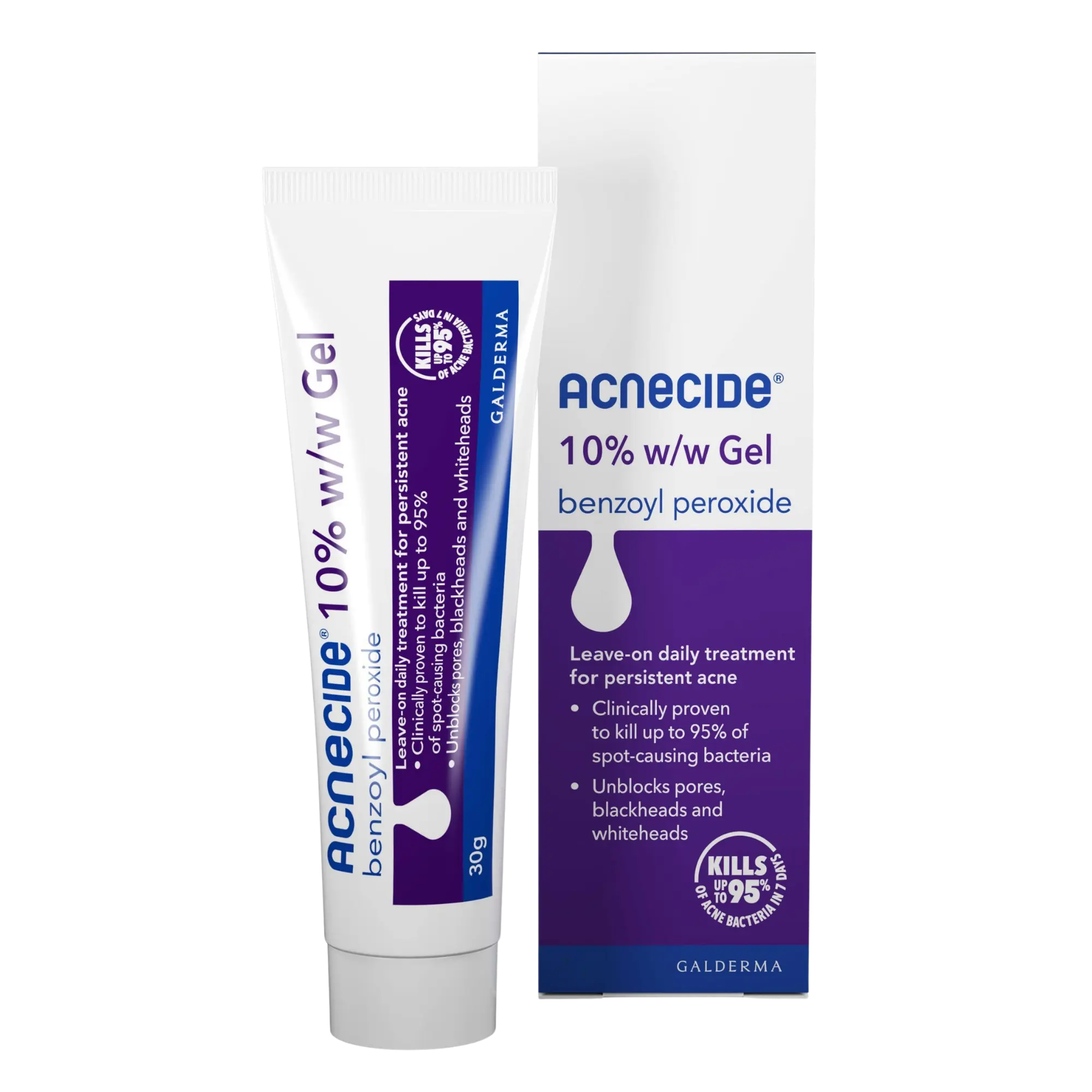
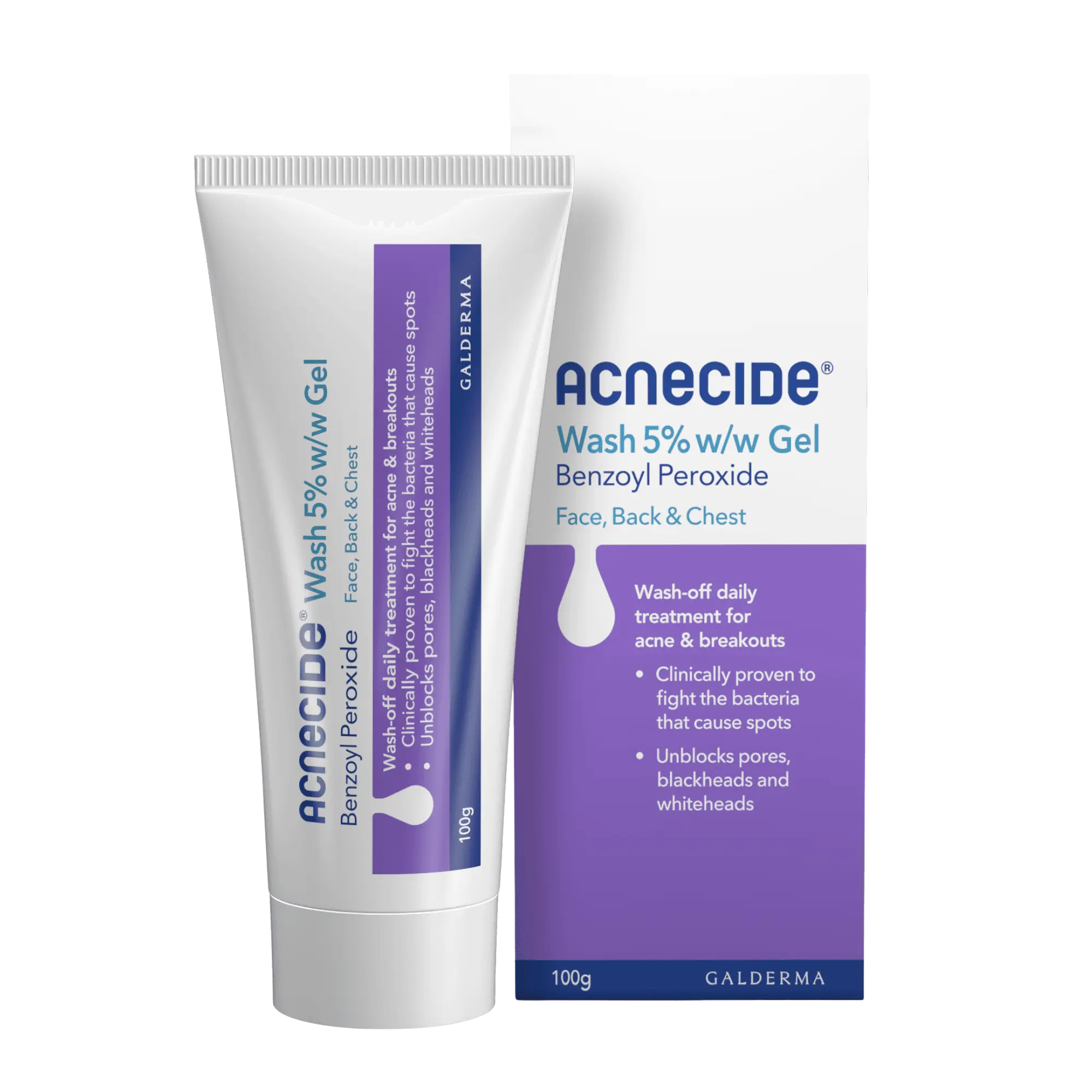
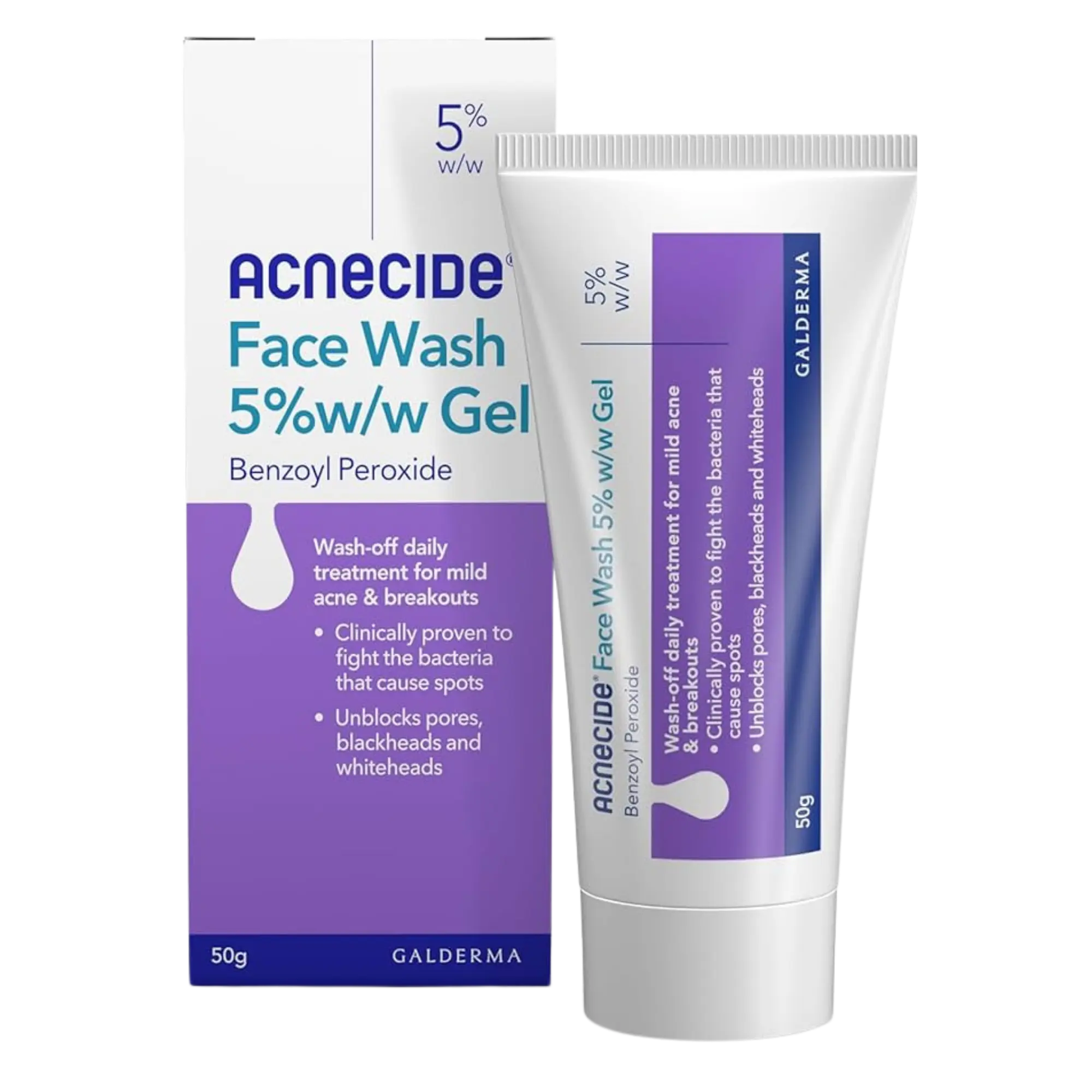
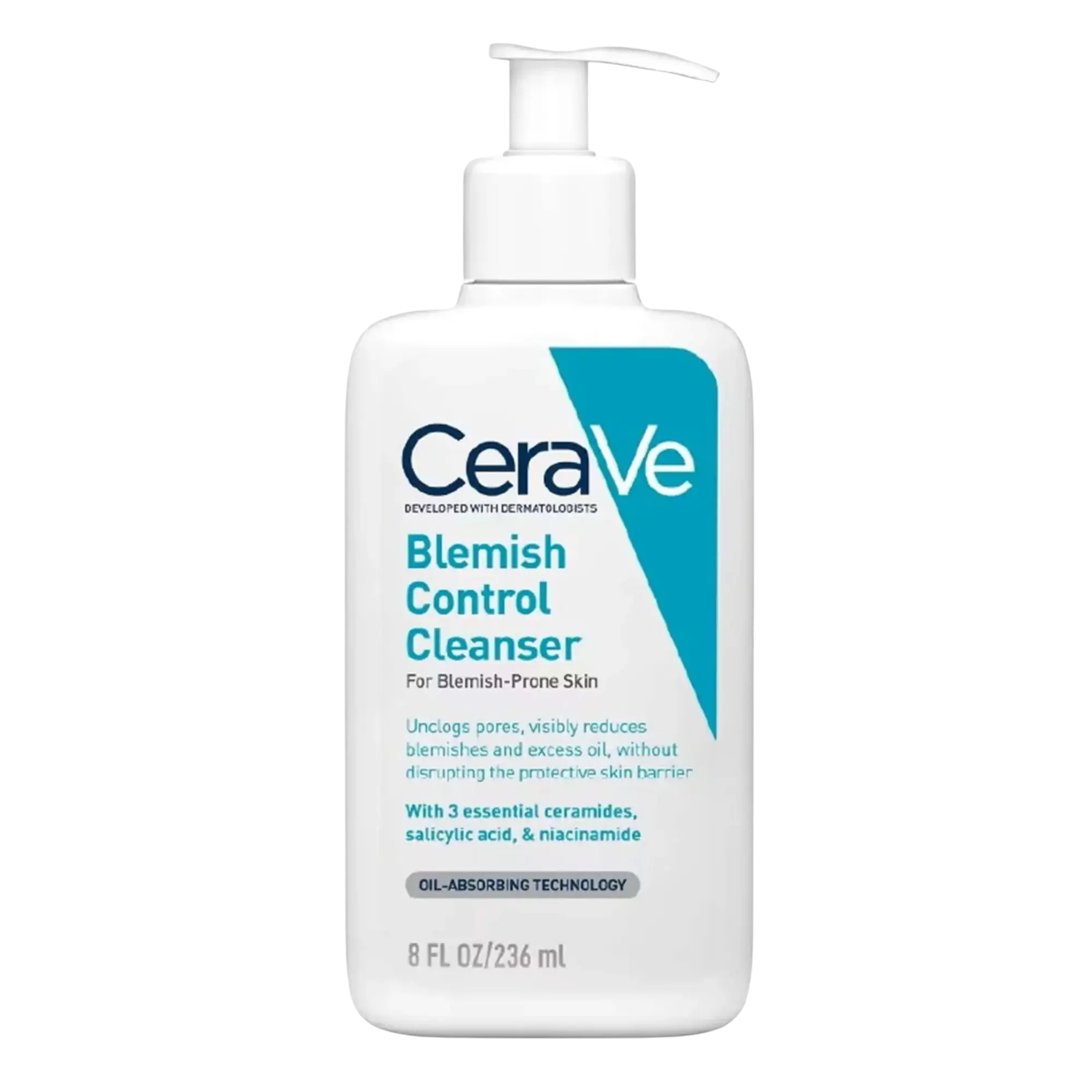
Some acne treatments are available from a pharmacy without a prescription. These usually contain a single active ingredient, such as benzoyl peroxide, which reduces bacteria on the skin and helps unblock pores, or nicotinamide, which can reduce inflammation. Salicylic acid washes and gels are also widely available and can help keep pores clear.
Pharmacy treatments can work well for mild acne, including blackheads, whiteheads and a small number of red spots. Prescription treatments differ because they can combine two active ingredients in one product, or contain ingredients only available on prescription, such as topical retinoids and antibiotics. If your acne hasn’t improved after around 8 weeks of using a pharmacy treatment, or it’s becoming more widespread or painful, a prescription treatment may be more suitable.
Request prescription acne treatment online
To request online acne treatment with Quick Meds, follow these steps:
Complete the short online consultation form
Choose your preferred treatment and check out
Our prescriber reviews your request and may contact you to request clear photos of your affected skin to complete your clinical assessment
Once reviewed, our prescriber assesses whether the treatment is suitable for you and will tailor their advice to your individual needs
Eligible patients receive their treatment in discreet packaging, with follow-up and reminders for future prescriptions
Because these are prescription medicines, an order is a request for treatment, not a guaranteed sale. If a selected acne treatment is not right for you, our team will explain why and, where appropriate, discuss alternatives.
Delivery information
All confirmed prescription acne medication orders are dispensed by our GPHC-registered pharmacy and dispatched using fast, tracked delivery service options. Every package is shipped in plain, discreet packaging to maintain your privacy.
How do you know if you have acne?
Acne occurs when hair follicles in the skin become plugged with excess sebum and dead skin cells, creating an environment where the natural skin bacteria overgrow. This leads to symptoms such as blackheads, whiteheads, papules, pustules, nodules, or cysts, primarily on the face, chest, and back.
It is vital to obtain an accurate professional consultation to confirm your diagnosis, as other skin conditions can closely mimic acne but require entirely different management. For instance:
Rosacea: Causes facial redness and papules/pustules but lacks blackheads. It is treated differently, with its own specific medicines.
Folliculitis: An inflammation or infection of the hair follicles that presents as small red bumps or pimples, often triggered by fungal or bacterial agents distinct from standard acne.
Perioral Dermatitis: A rash around the mouth and chin that can worsen if treated with conventional strong acne medications or topical steroids.
How severe is your acne?
Acne severity is categorised by the types of spots present, their depth, and how widespread they are across the body:
Mild acne involves isolated blackheads or whiteheads;
Moderate acne features larger inflammatory papules and pustules;
Severe acne includes deep, painful nodules and cysts.
Determining your severity guides healthcare providers in selecting the safest and most effective prescription acne treatment.
Which acne treatment may be suitable for you?
Acne type and severity | What you might notice | Treatment approaches that may help | Hormonal option | Where to get it |
|---|---|---|---|---|
Mild, mostly non-inflammatory (comedonal) | Blackheads and whiteheads, little redness, uninflamed clogged pores | Topical benzoyl peroxide, a topical retinoid, or azelaic acid | No | Pharmacy options available; some are prescription-only |
Mild to moderate, inflammatory | Red spots, papules, and pustules alongside blackheads | Often a topical combination (for example benzoyl peroxide with a retinoid, or with a topical antibiotic) | No | Online pharmacy. Prescription-only following an online assessment |
Moderate, not settling with topicals alone | More widespread inflamed spots, often spreading to chest or back | Combination therapy using a topical cream/gel with a course of oral antibiotics | For some adults, a hormonal treatment (such as combined contraceptive pill - for women) may be considered | Online pharmacy. Prescription-only following an online assessment |
Severe, or causing scarring | Deep, painful nodules or cysts, or acne not responding to the above | Referral to a specialist, who may consider oral isotretinoin | No | Specialist hospital/dermatologist prescription only |
How long do acne treatments take to work?
Most topical acne treatments and oral acne medications require between 4 to 8 weeks of consistent use before a visible reduction in spots occurs, with maximum results often seen around 12 weeks. Acne treatments work gradually, so results are rarely immediate. Timeline expectations vary based on acne severity, individual skin turnover rates, underlying causes, and adherence to a stable skincare routine.
Do acne medications have side effects?
All acne medicines may cause side effects, though not everyone experiences them, and specific side effects vary between treatments.
Common shared side effects for topical prescription spot creams and gels include:
Skin dryness, peeling, or flaking
Mild redness, stinging, or burning sensations
Temporary increased sensitivity to sunlight (photosensitivity)
Common side effects for oral acne antibiotics include:
Mild stomach upset
Nausea
Headache
Increased sensitivity to sunburn.
Who should not use certain acne medications
Topical retinoids and tetracyclines should not be used in pregnancy and tetracyclines aren’t suitable for under-12s
Self care tips for acne
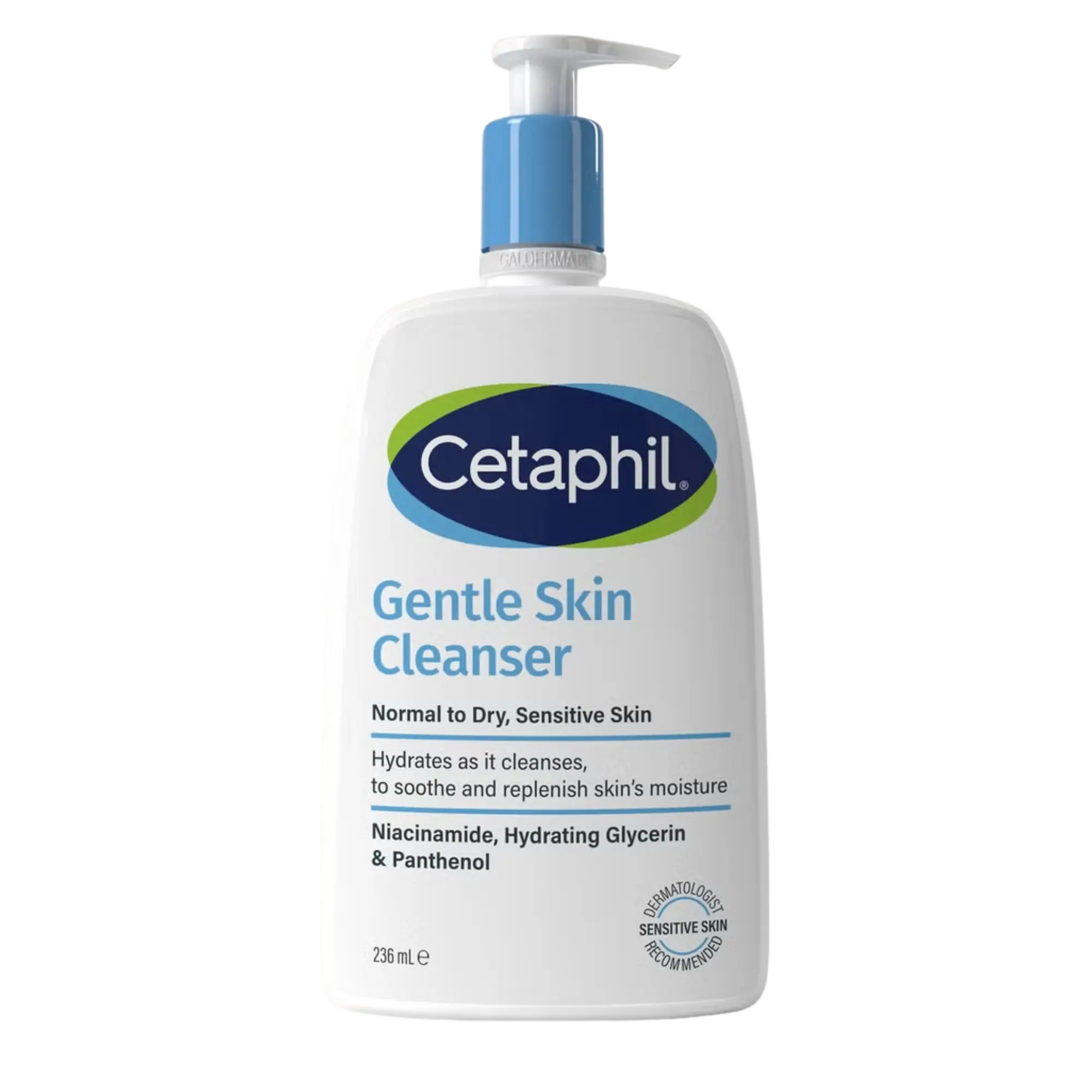
Establishing a gentle daily routine supports skin healing and complements prescription acne skin treatments.
Wash affected areas twice daily using a mild, soap-free cleanser and lukewarm water.
Avoid over-washing or scrubbing the skin harshly, which can exacerbate inflammation.
Choose non-comedogenic (pore-friendly) moisturisers and broad-spectrum sunscreens.
Do not squeeze, pick, or pop spots to prevent scarring and bacterial spread.
Avoid wearing tight clothing over body acne to limit friction and sweat accumulation.
Why order acne treatments from Quick Meds?
Quick Meds is a GPhC-registered UK online pharmacy operating under strict professional standards. Every request for prescription acne treatment undergoes clinical assessment by qualified prescribers to ensure patient safety. We provide ongoing clinician advice, comprehensive aftercare, and fast, discreet UK delivery direct to your home.
References
https://www.nice.org.uk/guidance/ng198/chapter/Recommendations
https://www.nhs.uk/conditions/acne/
https://www.nhs.uk/conditions/rosacea/
https://patient.info/skin-conditions/skin-rashes/folliculitis
https://www.bad.org.uk/pils/peri-oral-dermatitis