
Types of weight loss medication
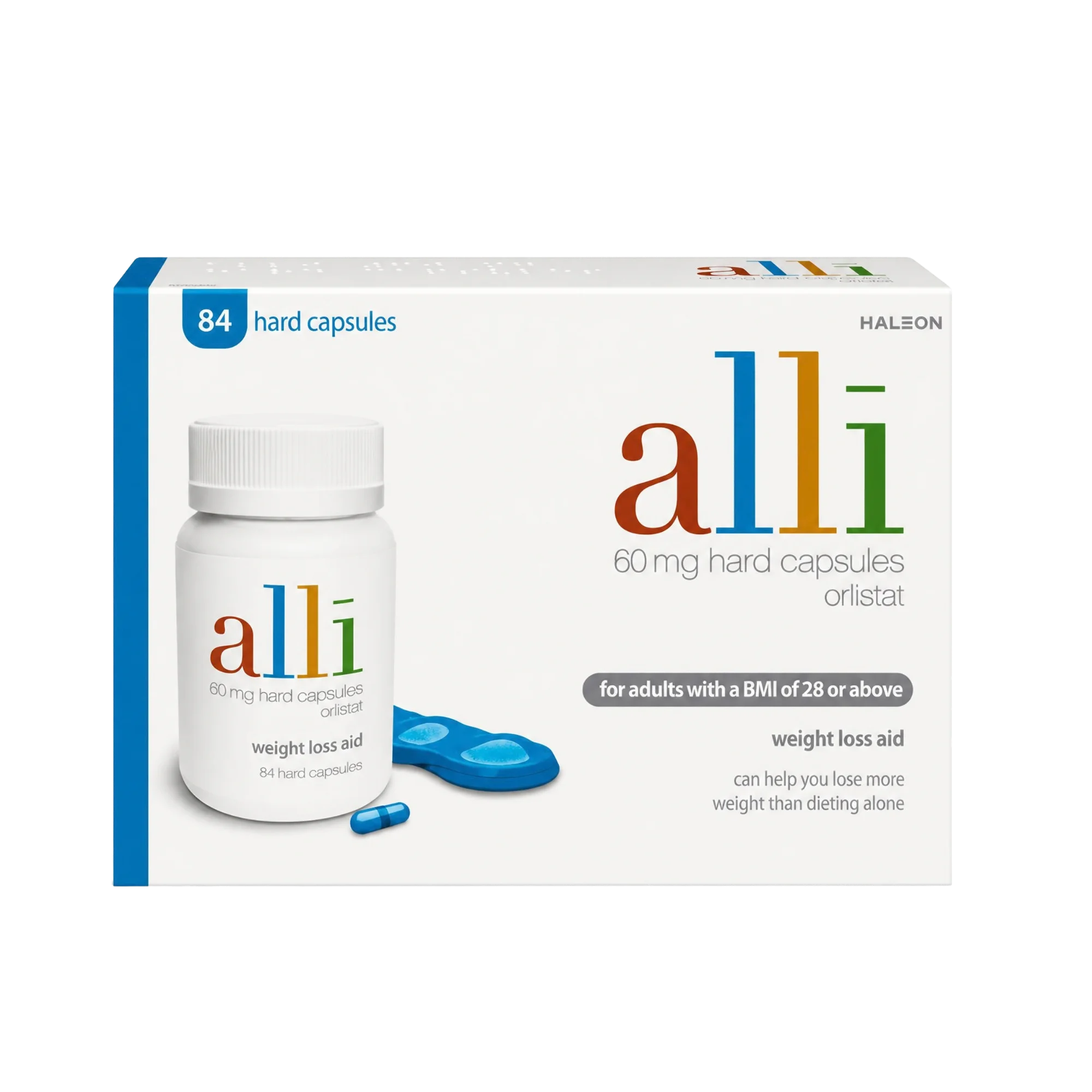
Weight loss medicines come as both prescription treatments and pharmacy medicines. Prescription options include injections and tablets, while lower-strength orlistat is also available without a prescription as pharmacy medicines such as Alli and Orlos.
Weight loss injections
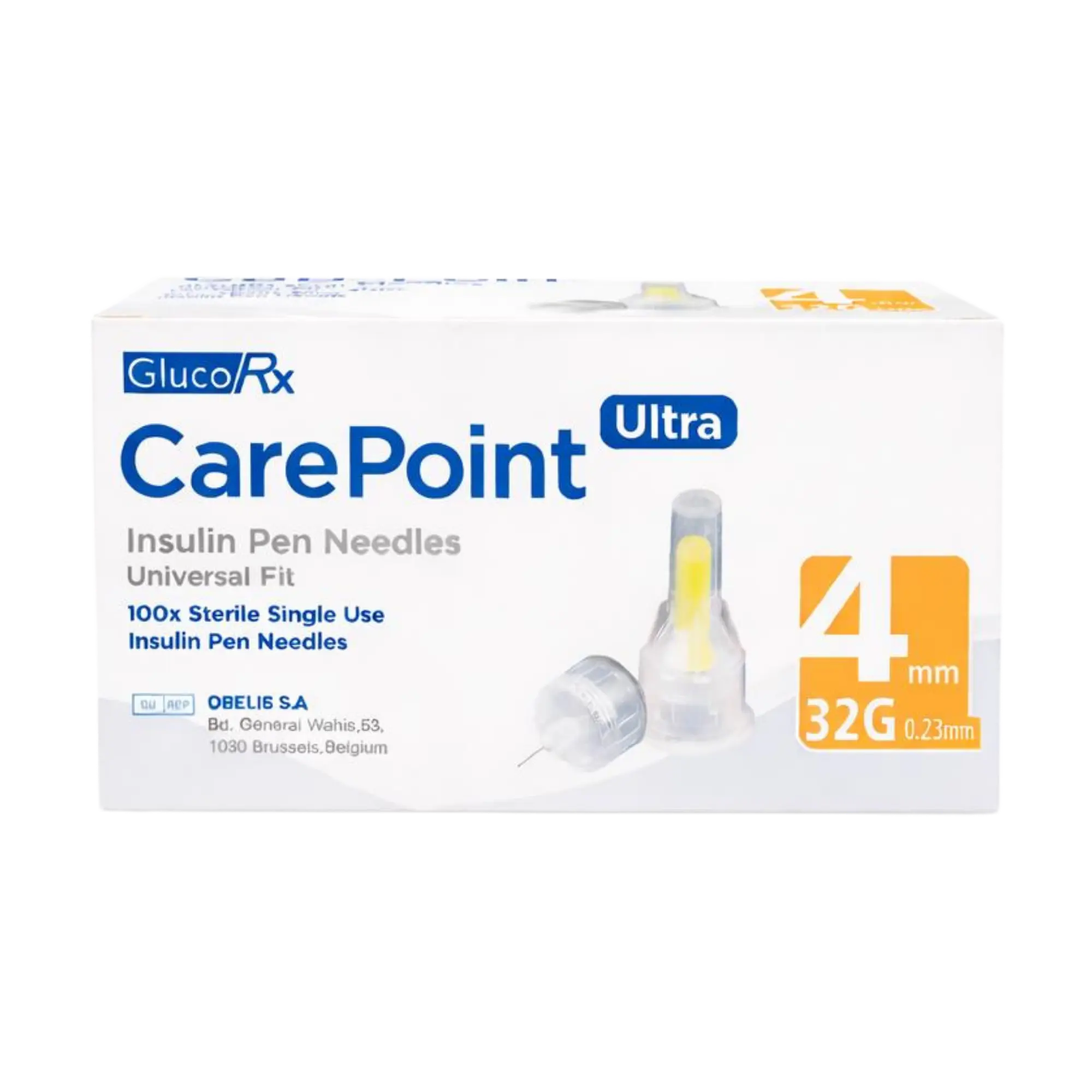
Weight loss injections act on hormone pathways involved in appetite regulation and food cravings. They can help you feel less hungry, get full more quickly and eat less, leading to gradual weight loss.
The main injectable options at Quick Meds are:
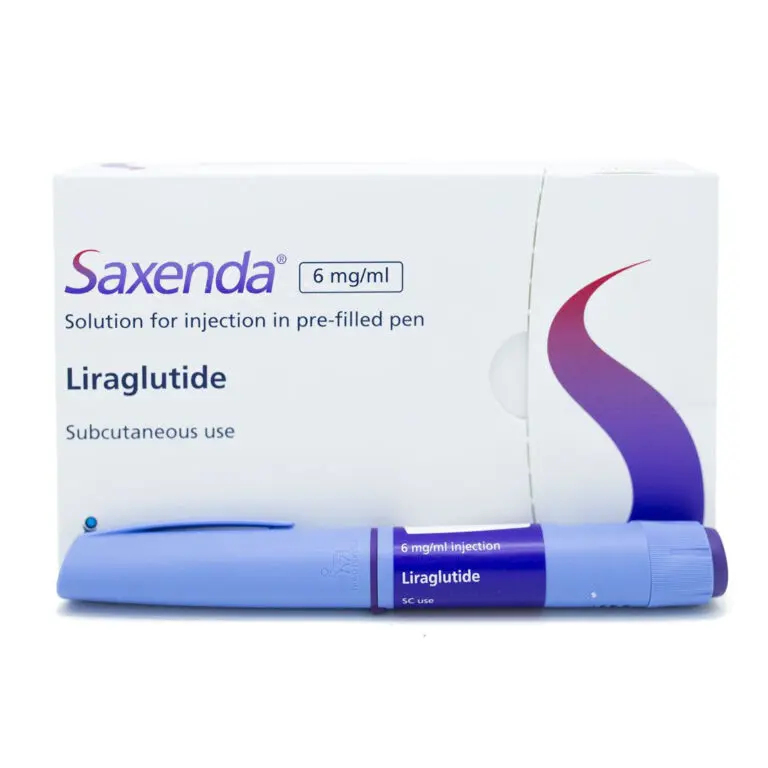
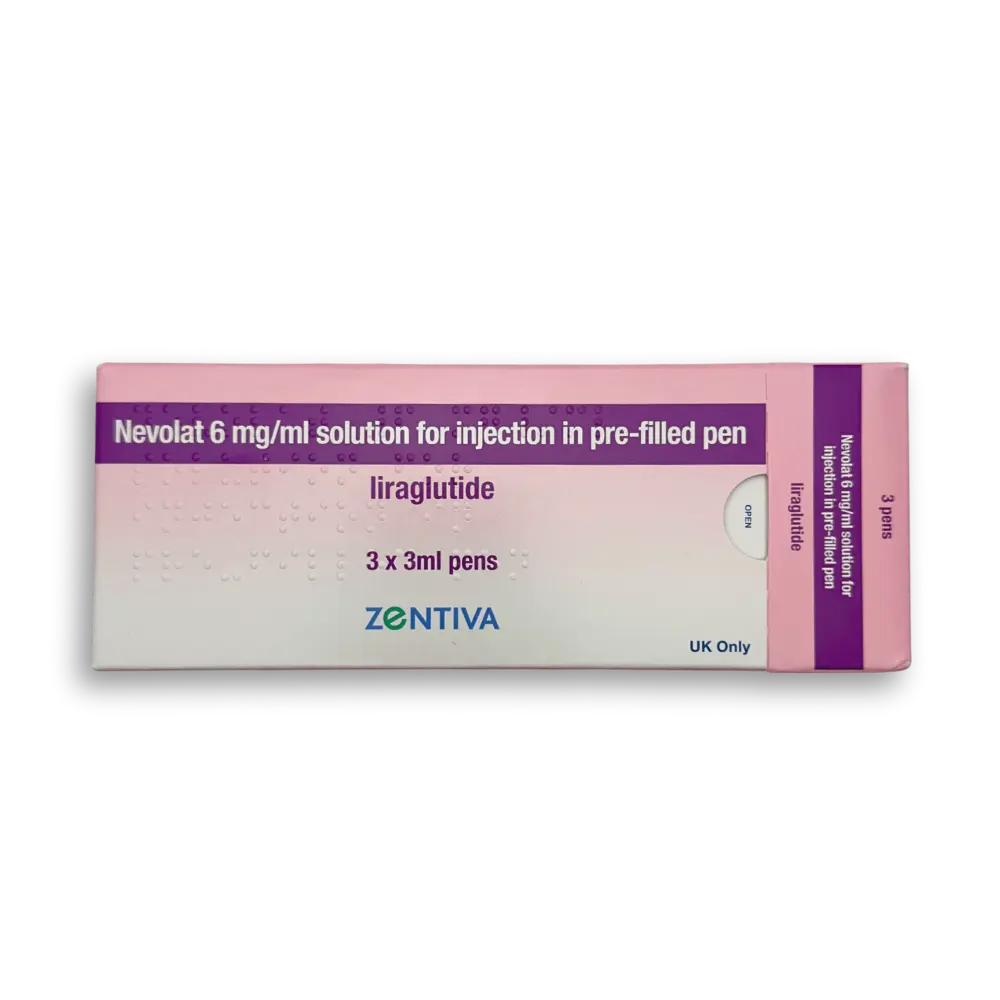
Saxenda and Nevolat are daily injections that contain liraglutide and act on GLP-1 receptors.
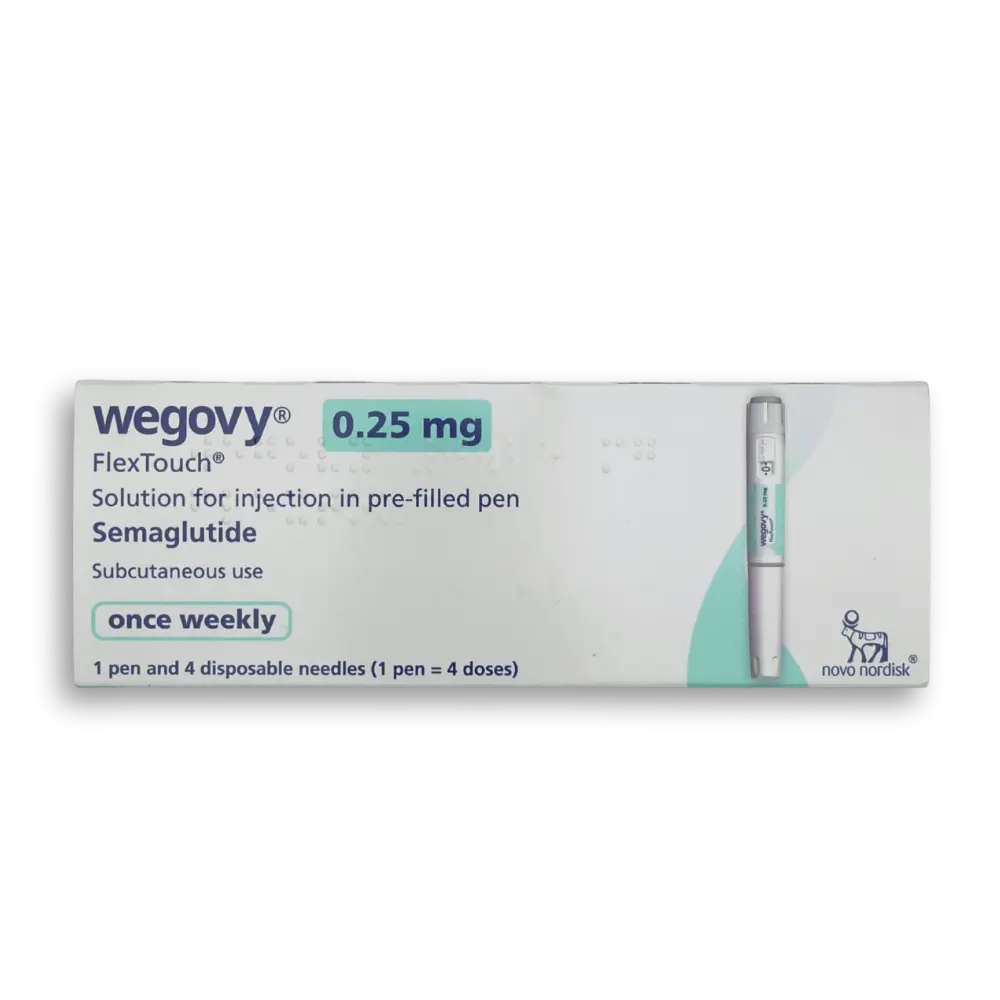
Wegovy is a once-weekly injection that contains semaglutide and acts on GLP-1 receptors.
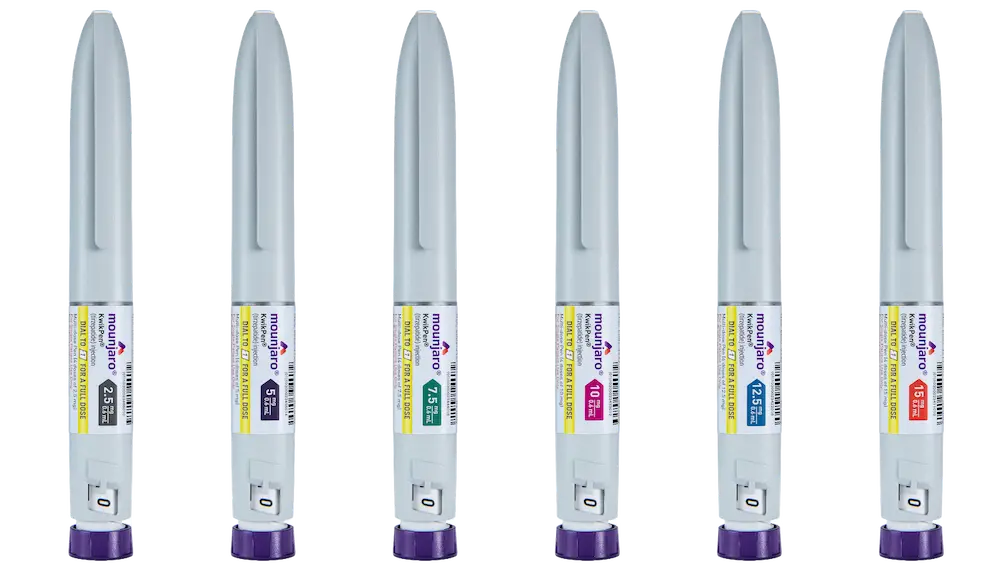
Mounjaro is also injected once a week, but it contains tirzepatide, which acts on both GLP-1 and GIP receptors.
All weight loss injections are prescription-only medicines, so you will need to complete a clinical consultation before buying treatment. If approved, you will start on the lowest dose. Your dose is then gradually increased over time to help your body get used to the medication.
Your prescriber will assess whether treatment is suitable, when you need to increase your dose, and what the right dose is for you to stay on long-term.
Prescription weight loss pills
Prescription weight loss tablets may suit people who would prefer not to inject. Weight loss pills work in different ways:
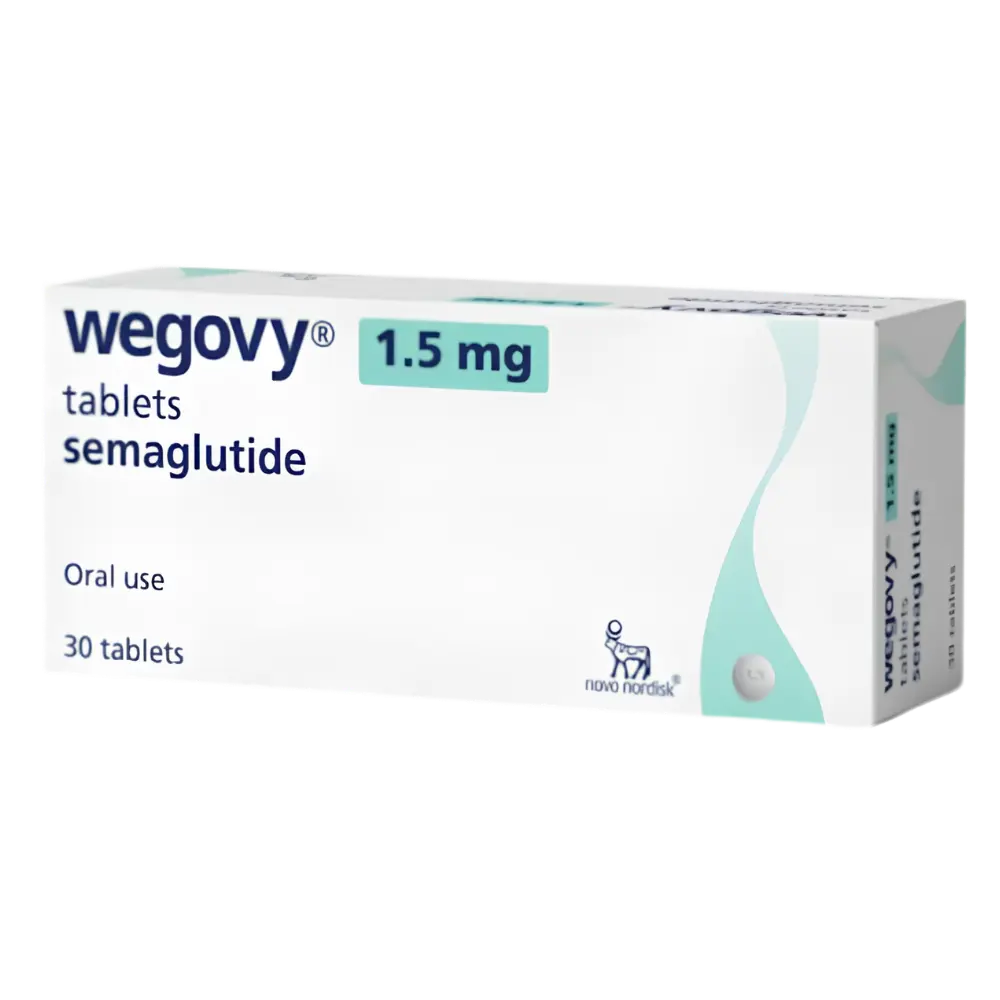
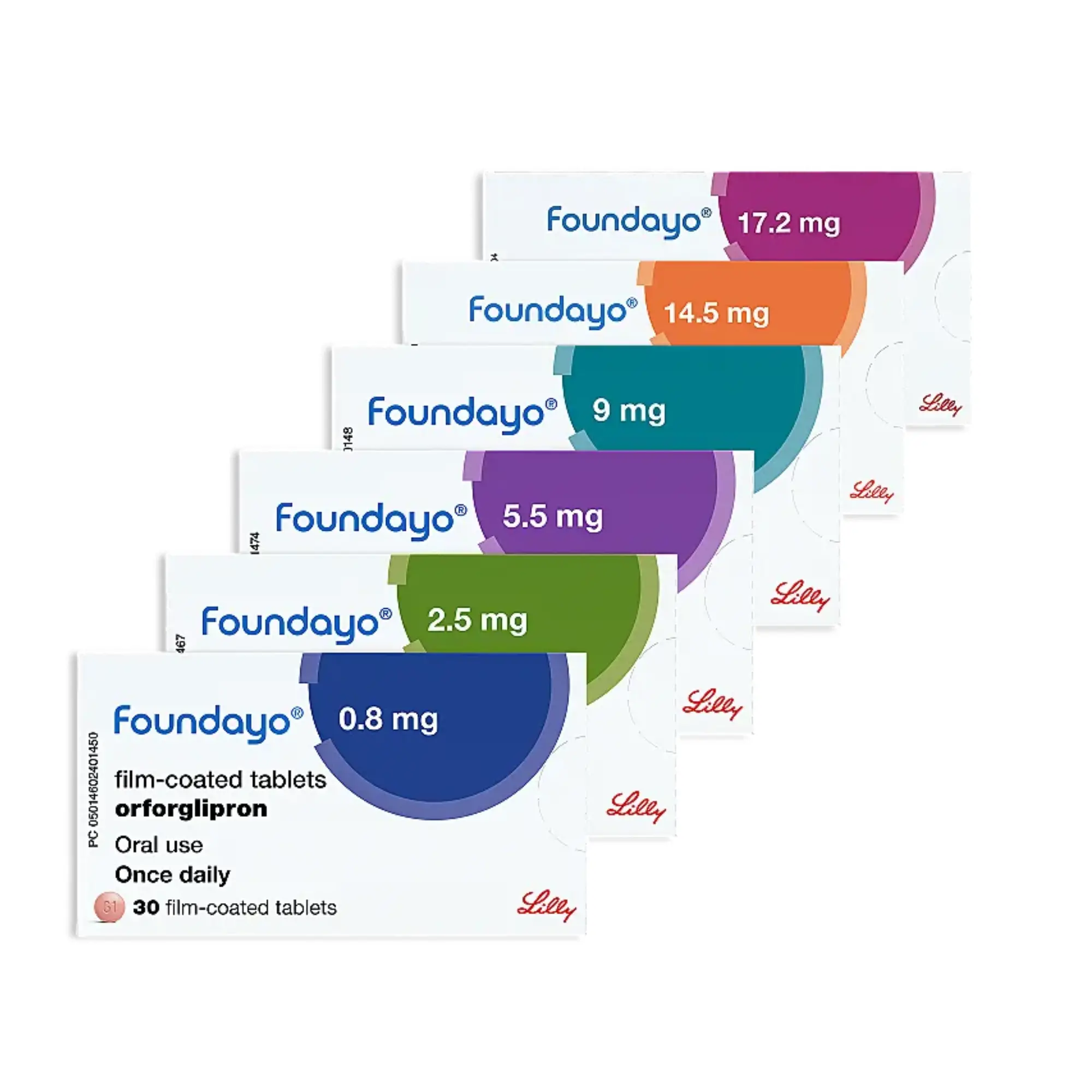
Oral GLP-1 tablets act on the same appetite-regulating pathway as weight loss injections. Options include oral semaglutide (Wegovy pills) and orforglipron (Foundayo pills), both taken once daily. Like injections, you start on a low dose and slowly increase it over several months.
Appetite and craving tablets like Mysimba combine two medicines (naltrexone and bupropion) to reduce cravings and the urge to eat. You need to take one tablet daily when starting treatment, working your way up to 4 tablets daily over several weeks.
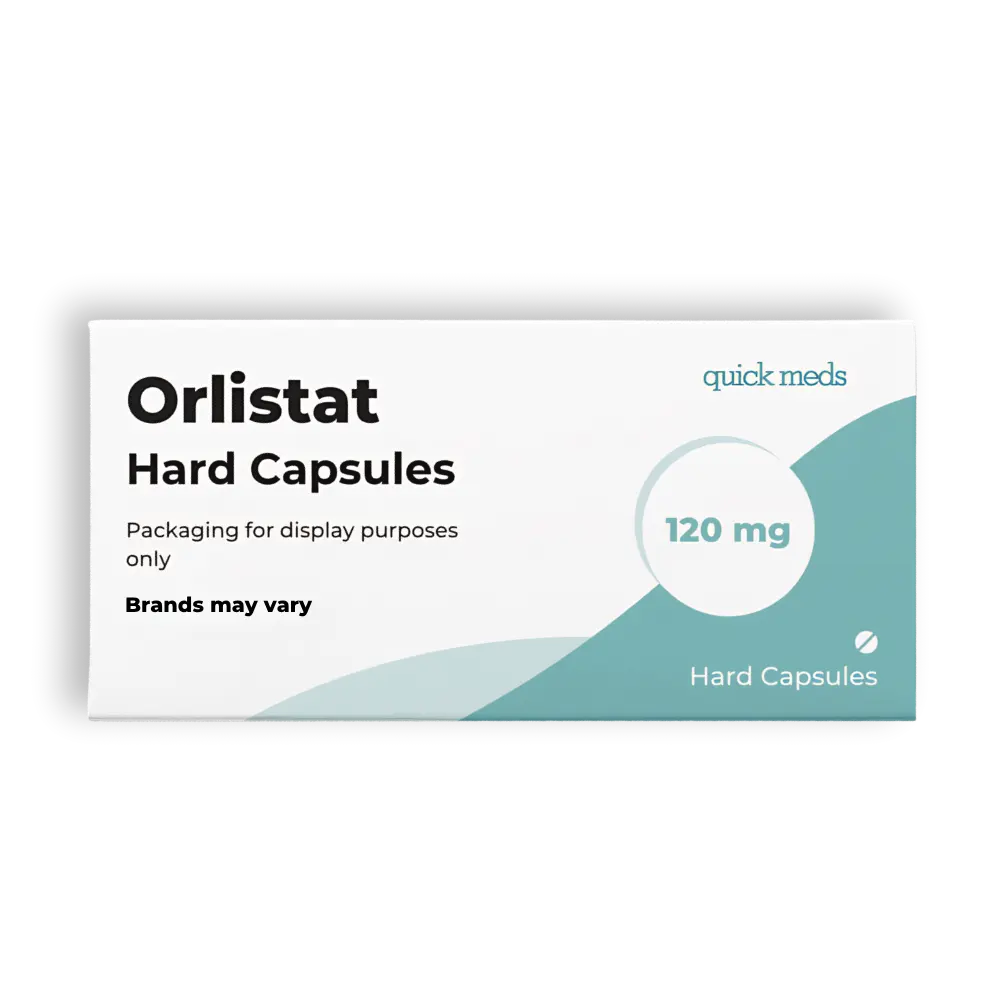
Fat absorption tablets contain orlistat, which reduces how much fat your body absorbs from food. It is taken with meals that contain fat and is usually recommended alongside a lower-fat diet.
Pharmacy weight loss tablets
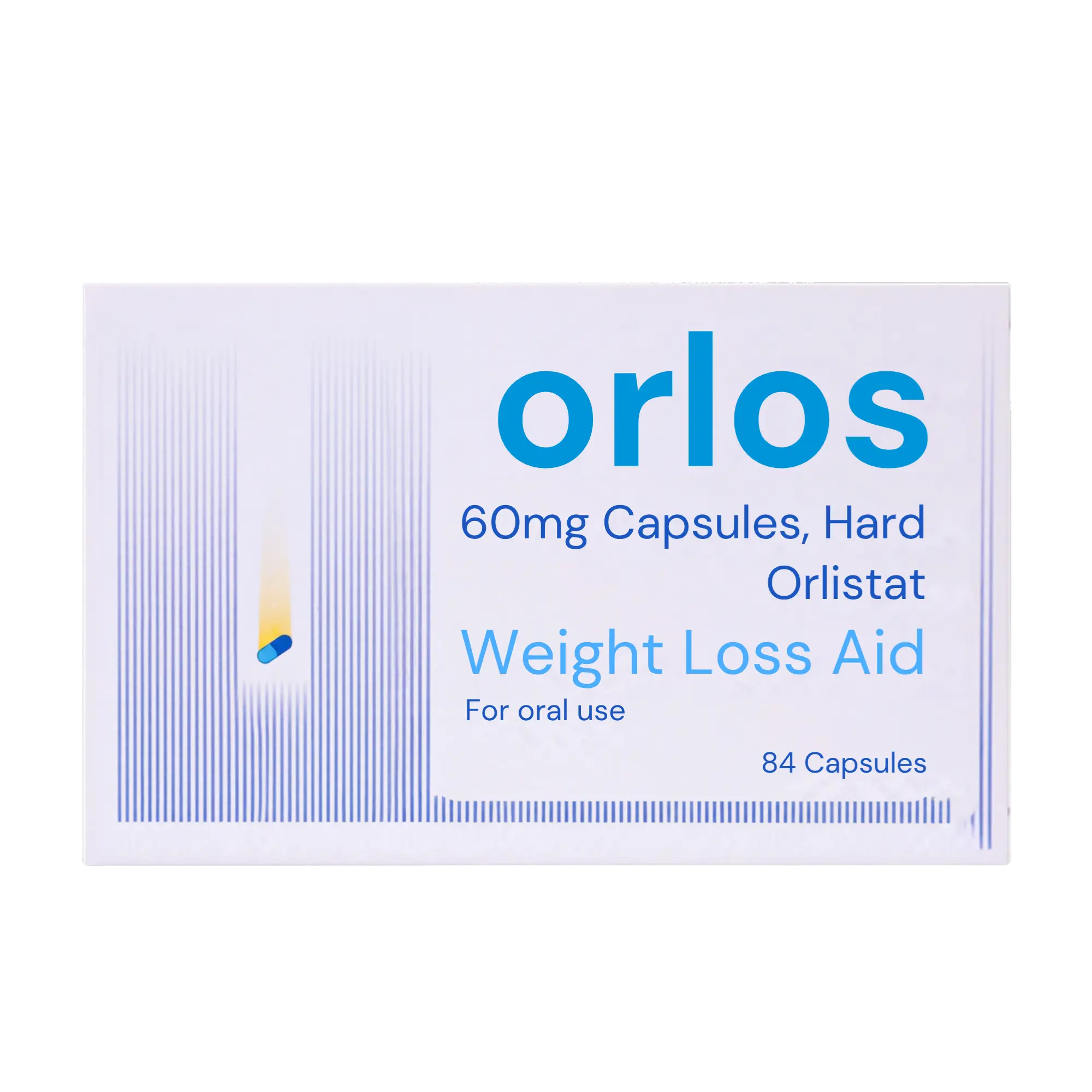
Lower-strength orlistat is available without a prescription as Alli and Orlos 60mg. These contain a lower dose of orlistat than prescription-strength treatment, so they block less dietary fat from being absorbed.
Although you do not need a prescription, Alli and Orlos are not suitable for everyone, so it is still important to check that they are appropriate for you before starting treatment.
Request a prescription weight loss treatment online
You can request weight loss treatment online with Quick Meds without needing a face-to-face appointment. Here’s how:
Complete a short online consultation about your health and any other medicines you take.
Select the weight loss treatment you would like to request and complete your order.
Our prescriber reviews your request and checks that the treatment is suitable for you.
Eligible patients receive their medication in discreet packaging, with ongoing support throughout treatment.
Submitting a request for prescription weight loss medicine does not guarantee that treatment will be supplied. If your preferred treatment is not suitable for you, our team will explain why and may recommend an alternative or advise you on next steps.
Delivery information
Option | Price | Delivery | Order by |
|---|---|---|---|
Tracked 48 | £5.99 | 2 to 3 working days | 3pm weekdays |
Tracked 24 | £7.99 | Usually next working day | 3pm weekdays |
Special Delivery | £10.95 | Guaranteed by 1pm next working day | 3pm weekdays |
Saturday Delivery | £12.95 | Guaranteed by 1pm Saturday | 3pm Friday |
Same Day (Birmingham only) | £25.00 | Same day, signature required | 3pm Mon to Fri |
Who qualifies for weight loss treatment?
Weight loss treatment may be an option if you are overweight or living with obesity and changes to your diet and exercise have not helped you lose enough weight.
Eligibility is mainly based on your body mass index (BMI) and whether you have any weight-related health conditions. Most prescription weight loss medicines are licensed for people with a BMI of 30 or above. Some can also be prescribed at a lower BMI if you have a condition linked to excess weight.
Orlistat has slightly different criteria. Prescription-strength orlistat can be used from a BMI of 30, or from 28 if you have associated health risk factors. Lower-strength Alli and Orlos can be supplied from a pharmacy without a prescription to adults with a BMI of 28 or above.
Because the exact criteria vary between treatments, the simplest way to find out which options you may qualify for is to complete an online consultation.
[Start Weight Loss Consultation] button
Understanding BMI and obesity
BMI is calculated by dividing your weight in kilograms by your height in metres squared. For most adults, the ranges are:
BMI | Category |
|---|---|
Under 18.5 | Underweight |
18.5 to 24.9 | Healthy range |
25 to 29.9 | Overweight |
30 to 39.9 | Obesity |
40 or over | Severe obesity |
If you’re not sure what your BMI is, the NHS has a free BMI calculator you can use.
BMI is useful for assessing eligibility, but it does not give the full picture of your health.
Weight-related health conditions that may affect eligibility
Some weight loss treatments can be prescribed at a lower BMI if you also have a health condition or risk factor linked to excess weight.
These may include:
Type 2 diabetes or prediabetes
High blood pressure
High cholesterol or other abnormal blood fats
Heart or cardiovascular disease
Obstructive sleep apnoea
Osteoarthritis or other weight-related joint problems
The exact criteria vary between medicines, so having one of these conditions does not automatically mean you will qualify for treatment. If you do not meet the criteria for one medicine but may be eligible for another, your prescriber can talk you through the alternatives and help identify a suitable option.
Which weight loss treatment may be suitable for you?
No single weight loss treatment suits everyone. If you qualify for treatment, the best option for you will depend on your health, the medicines you take, your preferences and how you respond to treatment.
Things that our prescribers will consider to help guide their choice include:
Your medical history. Your medical history helps determine which options you can use safely. Weight loss medication is generally not recommended during pregnancy. Some treatments may not be suitable if you are breastfeeding or have certain health conditions.
Other medicines you take. Weight loss treatments can interact with other medicines or affect how they need to be managed. This is particularly important if you take medicines for diabetes, high blood pressure or contraception.
Side effects and tolerability. Different medicines can cause different side effects. If you have struggled with a treatment before, or develop side effects after starting, this can affect whether your dose is adjusted or another option is considered.
Treatments you have already tried. If a previous medicine did not work well enough or caused side effects you could not manage, this can help guide what to do next. Your prescriber may increase the dose of your current medicine or recommend switching.
Once your prescriber has identified which treatments are clinically suitable, your own preferences can also help narrow down the choice. One of the main practical decisions is whether you would prefer injections or tablets.
Weight loss injections vs tablets
The table below can help you compare the practical differences between injections and tablets and think about which type of treatment you may prefer to request.
Injections | Tablets | |
|---|---|---|
How often | Daily or weekly, depending on the medicine | Daily, with some taken more than once a day |
How taken | Injected under the skin on the stomach, thighs, or upper arm using a pre-filled pen | Swallowed whole with water |
Routine | Weekly options mean you do not need to remember treatment every day. | Need to be taken consistently every day, sometimes multiple times per day depending on the medication |
Storage | Some need to be kept refrigerated before first use, depending on the medicine | Usually stored at room temperature. |
Travelling | May need extra planning for storage, needles and carrying injectable medication. | Often easier to carry when travelling |
May suit | People who are comfortable injecting and prefer a weekly option | People who would rather avoid injections and are happy taking treatment daily |
Examples | Wegovy, Mounjaro, Saxenda, Nevolat | Wegovy Pill, Foundayo, Mysimba, orlistat |
The table above is not a replacement for clinical assessment. Our prescribers can help you weigh up both the clinical and practical differences and recommend an option that is suitable for you.
When not to take weight loss treatments
Weight loss medication should not be used during pregnancy. Some treatments also need to be stopped before trying to conceive, so tell your prescriber if you are pregnant or planning a pregnancy.
Other reasons you may not be able to use a treatment depend on the specific medicine:
GLP-1 weight loss medicines such as Wegovy, Mounjaro, Saxenda, Nevolat and Foundayo may need extra caution if you have previously had pancreatitis or have certain severe digestive problems. The exact restrictions vary between medicines.
Mysimba may not be suitable if you have uncontrolled high blood pressure, a history of seizures, bipolar disorder, anorexia or bulimia, or serious kidney or liver problems. It can also interact with some medicines, including opioid painkillers and certain antidepressants.
Orlistat-based medicines should not be used if you have certain conditions that stop your body from absorbing food properly or affect the flow of bile. It can also interact with medicines such as ciclosporin, warfarin, and other blood thinners.
Always tell your prescriber about any medical conditions you have and all medicines and supplements you take so they can check which treatments are safe and suitable for you.
When to expect results from weight loss treatments
Weight loss with medication is gradual. You may notice changes in your appetite or eating habits within the first few weeks, but changes to your weight typically build over several months.
Results also vary from person to person. Your starting weight, the specific weight management treatment and dose you use, how well you tolerate it and the changes you make to your diet and activity levels can all affect how much weight you lose and how quickly.
How much weight could you lose?
Clinical trials give an idea of the weight loss seen with different treatments over time.
The figures below come from major studies for each medicine. These results are not directly comparable. The trials involved different participants, doses, treatment lengths and ways of reporting results, and all included changes to diet and physical activity.
They should be used as a guide to how much weight loss is possible rather than a target or guarantee. Your own results may be higher or lower.
Treatment | Length | What the studies found |
|---|---|---|
Mounjaro | 72 weeks | Average weight loss was around 21%, reaching 22.5% with the highest dose |
Wegovy injection | 68 weeks | Average weight loss was around 15% |
Wegovy tablets | 64 weeks | Average weight loss was around 14%, and around 17% among people who remained on treatment |
Foundayo | 72 weeks | Average weight loss was around 11%, reaching 12.4% with the highest dose |
Saxenda | 56 weeks | Average weight loss was around 8% |
Mysimba | 56 weeks | Around 31% to 46% of participants lost at least 5% of their starting weight |
Orlistat 120mg | 1 year | Around 20% of participants lost at least 10% of their starting weight |
Alli / Orlos (orlistat 60mg) | 6 months | Average weight loss was around 4.6%, and around 47% of participants lost at least 5% of their starting weight |
Your progress should be reviewed during treatment to check how well the medicine is working for you. Depending on the treatment and your response, your prescriber may recommend continuing, adjusting your dose or considering another option.
Do weight loss medications have side effects?
Like all medicines, weight loss treatments can cause side effects. These vary depending on the type of treatment you use.
GLP-1 weight loss medicines most commonly cause digestive side effects, including nausea, vomiting, diarrhoea, constipation and stomach pain. They are often more noticeable when you first start treatment or increase your dose, and may improve as your body adjusts.
Mysimba can cause side effects such as nausea, constipation, headache, dizziness, dry mouth and difficulty sleeping. Because it contains naltrexone and bupropion, it also has different warnings and possible mental health side effects compared with GLP-1 treatments.
Orlistat mainly causes digestive side effects linked to fat passing through the bowel without being absorbed, such as oily or fatty stools, wind with discharge, and an urgent need to go to the toilet. Eating a lower-fat diet can help reduce these effects.
Less common but more serious side effects are possible with all weight loss medicines. Always read the patient information leaflet supplied with your treatment and contact a healthcare professional if you are concerned about any symptoms.
The Quick Meds team can also support you throughout treatment and advise you about side effects you experience.
Lifestyle changes that support weight loss
Weight loss medication works best alongside changes you can maintain over time. You do not need to make everything perfect at once, but focusing on a few consistent habits can support both weight loss and your overall health.
Eat a balanced, lower-calorie diet. Base meals around vegetables, lean protein, high-fibre carbohydrates and healthy fats, while reducing overall calorie intake. If you take orlistat, keeping meals lower in fat can also help reduce digestive side effects.
Stay active. Regular movement can support weight loss, help preserve muscle and improve fitness. Walking, swimming, cycling and strength training can all count, so choose activities you are more likely to keep doing.
Look after your mental wellbeing. Getting enough sleep and finding other ways to manage stress can make long-term weight management easier, especially if you tend to eat in response to stress or low mood.
Use support when you need it. Weight loss can be easier to manage with regular check-ins and realistic goals. Celebrating small wins with support from friends and family can make it easier to stay on track.
Why order weight loss treatments from QuickMeds?
QuickMeds is a UK-based, GPhC-registered online pharmacy offering prescription weight loss treatment through a secure online consultation.
Every request is reviewed by a UK-registered prescriber to check that treatment is safe and suitable for you. If approved, your medication is delivered in discreet packaging.
You will also receive ongoing support throughout treatment, including follow-up reviews, advice about side effects and guidance on your dose. If your treatment is not working as expected or your needs change, our clinical team can review your options and advise you on what to do next.
References
https://www.medicines.org.uk/emc/product/15484/smpc
https://www.medicines.org.uk/emc/product/13799/smpchttps://www.medicines.org.uk/emc/product/102347/smpc https://www.medicines.org.uk/emc/product/102347/pil
https://www.medicines.org.uk/emc/product/102531/smpc
https://www.medicines.org.uk/emc/product/2313/smpc
https://www.medicines.org.uk/emc/product/100226/smpc medicines
https://www.medicines.org.uk/emc/product/2684/smpc
https://www.medicines.org.uk/emc/product/2592/smpc
https://www.medicines.org.uk/emc/product/6533/smpc
https://www.nice.org.uk/guidance/ng246 nice
https://www.nice.org.uk/guidance/TA1026/chapter/recommendations
https://www.nice.org.uk/guidance/ta875/informationforpublic
https://cks.nice.org.uk/topics/obesity/diagnosis/identification-classification/