Why Am I Not Losing Weight on Mounjaro?
Mounjaro
How Does Mounjaro Work?
What is the Science Behind Mounjaro?
First things first, it’s ideal you know generally how Mounjaro actually works in your body. This is essential to give you the basic understanding to help optimise your own daily routine and thus maximise your weight loss potential.
Mounjaro contains the active ingredient tirzepatide, which is a dual-action weight loss medicine. It's suitable for individuals with a BMI of ≥30, or ≥27 if they have health conditions like high cholesterol, type-2-diabetes, sleep apnoea or heart disease.
Other weight loss injections, such as Wegovy, only work by activating the GLP-1 receptor. Mounjaro goes one step further, additionally targeting the GIP receptor, resulting in:
reduce your appetite
increase feelings of fullness
slow down stomach emptying
improve insulin sensitivity and reduce blood sugar spikes
These actions combined make it easier for you to follow a healthy, balanced diet, including a calorie deficit, which will help you to lose weight and keep it off. This must be combined with increased exercise.
While Mounjaro reduces your appetite, it does not cause weight loss directly, and you must make these holistic lifestyle changes of nutritional adjustment and exercise consistency to get the best results possible.
Role of Mounjaro dosage on weight loss results
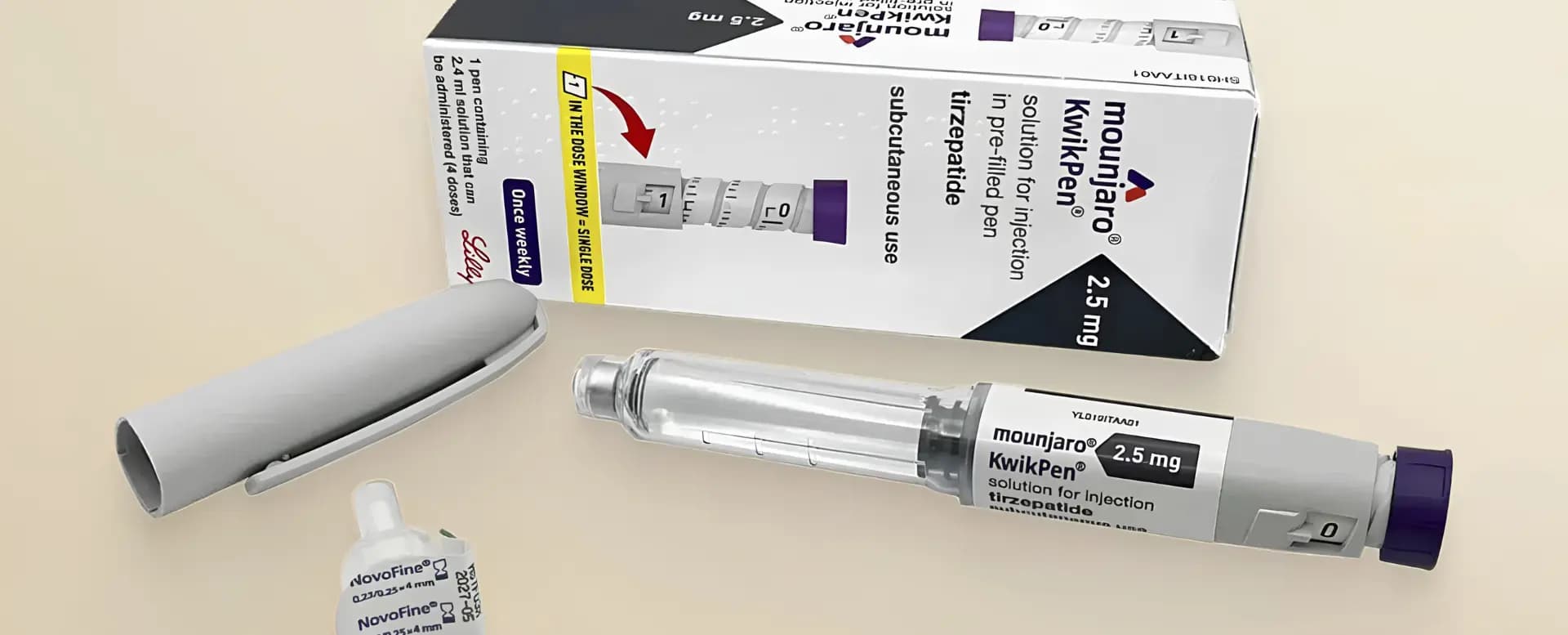
When you first start Mounjaro, you’ll begin on the lowest 2.5mg weekly dose to allow your body to get used to the medication and lower the chance of side effects.
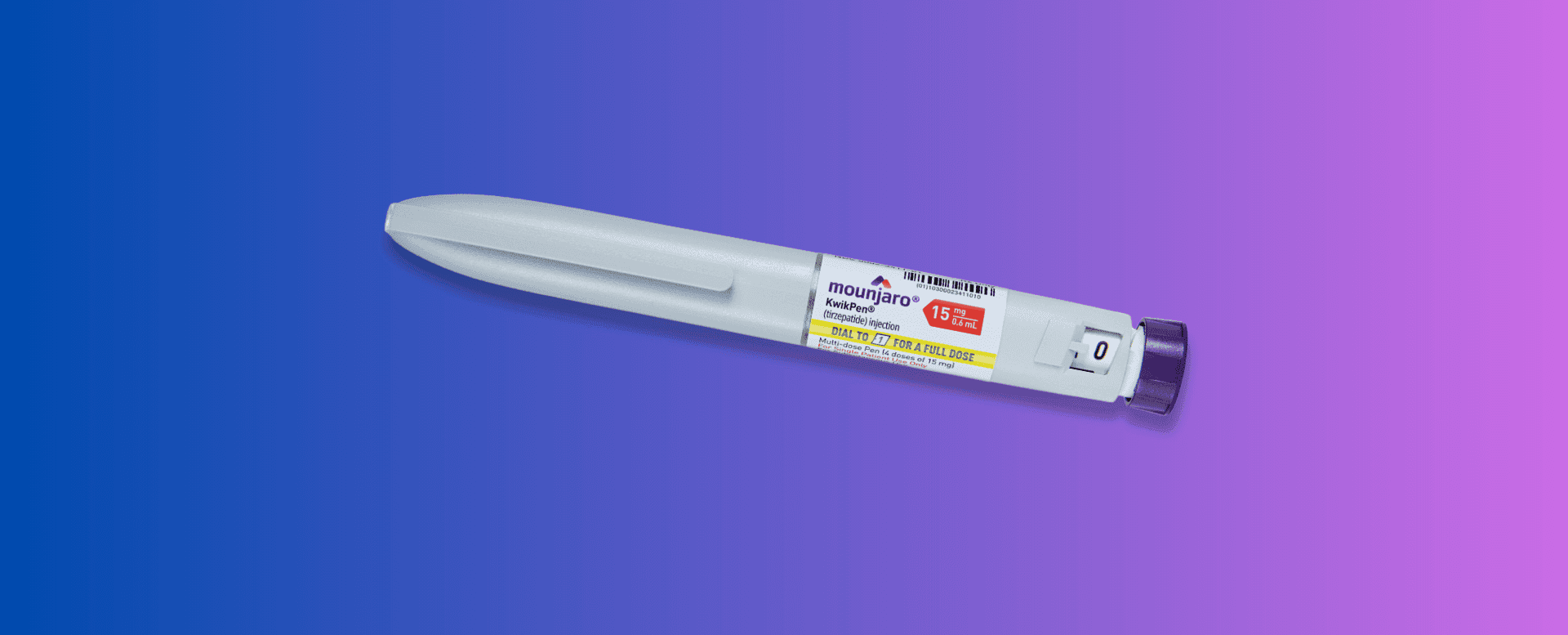
Most people do not see substantial weight loss until they reach a higher maintenance dose, usually between 10 and 15mg per week, but this depends on the person. Some people stay on a lower dose and still lose a lot of weight. As long as you do not get severe or ongoing side effects, you can keep increasing your dose every 4 weeks to the maximum dose.
The key for maximising your weight loss potential at each strength of Mounjaro is to ensure you are consistently adhering to a proactive lifestyle. This is through monitoring your nutritional intake and staying active throughout the week. We are all humans and like to have a nice meal and socialise, but the key is to ensure we do not become too relaxed and lose sight of our goals whether using Mounjaro or not.
Why Am I Not Losing Weight on Mounjaro?
Are You in a Caloric Deficit?
Like all weight loss drugs, Mounjaro is only effective for weight loss alongside a reduced calorie diet and exercise regime. Losing weight relies on a calorie deficit, which means you need to be using up more calories than you're taking in.
If you're not losing weight, you may be consuming too many calories or using up too few. Generally speaking, diet is a more effective way to achieve a calorie deficit. Exercise has many health benefits and does burn calories, but all the hard work you do during your workout can easily be offset by eating a calorie-dense meal or snack.
Are You Taking the Correct Dosage and Avoiding Missed Doses?
The starting dose of Mounjaro is 2.5mg for 4 weeks, which is then increased by 2.5mg every 4 weeks up to a maintenance dose of 5, 10, or 15mg. The desired maintenance dose depends on each individual patient and what they feel comfortable with. It's important not to increase the dose any faster than this to avoid experiencing side effects and having to stop the medication altogether.
If you're experiencing side effects, your prescriber may decide to increase the dose more slowly to allow your body time to get used to each increase as well as to maximise the benefit from each strength. Side effects often get better with time.
Studies suggest Mounjaro is more effective at a higher dose, so if you're struggling to lose weight at a lower dose, you should discuss this with your health provider.
It's important to take your dose every week to make sure the drug is working as effectively as possible. A missed dose can be taken up to 4 days after your scheduled time. After this point, you should skip the missed dose and take your next dose as normal.
Regularly missing doses, opting for cheat days and stopping treatment for holidays or events can also significantly impact your results and cause a weight loss plateau and increase the possibility of side effects.
Do You Have Underlying Medical Conditions?
Some health conditions can make it harder to lose weight, such as an underactive thyroid and other hormonal issues like polycystic ovary syndrome and Cushing's syndrome. Other medications can also impact your journey, such as steroids, anti-seizure medications, anti-psychotic medications and more.
If you're concerned that a health condition or medication you're taking may be affecting your ability to lose weight, speak to a healthcare professional for tailored advice.
Are Lifestyle Factors Affecting Your Weight Loss?
Did you know that sleep can affect your weight? Poor sleep can increase the chance of gaining weight as it often leads to increased energy intake in the form of food or high-calorie drinks. Poor sleep may also impact energy balance in the body.
Stress is also known to influence weight, partly due to the effects stress has on sleep. However, stress may also limit weight loss efforts due to possible overeating as a coping mechanism, having less mental energy to stick to weight loss goals, and less motivation to exercise. If you're feeling stressed or struggling to sleep, your healthcare professional can help advise you on how to deal with it.
Why Weight Loss Plateaus Happen
If your weight has stopped changing despite sticking to a weight loss plan, you may be in a weight loss plateau. This is common and happens as your body adapts to weight loss. A plateau does not mean your efforts have failed or that you need to make extreme changes. With targeted adjustments to diet, activity, sleep and tracking or medication dose (if you are taking weight loss medications), most plateaus can be broken safely and sustainably.
They occur for a number of reasons:
Metabolic rate naturally adapts
As you lose weight, your body needs fewer calories
appetite suppression may feel less pronounced over time
Weight loss is no longer the body’s primary response
At this stage, many people assume the medication has “stopped working,” but in reality, the body is simply reaching a new equilibrium.
For many users, this is the point where Wegovy transitions from a weight loss tool into a weight maintenance tool.
Breaking through a plateau
If progress slows, several strategies may help:
Increasing daily activity levels
Introducing resistance or strength training
Improving sleep quality
Increasing protein intake
Reducing processed, sugary, fatty foods and alcohol
Reducing starch/flour dense food items (pasta, pizza, bread, noodles, rice, potato)
Staying hydrated
Reassessing calorie intake
Consistency is key to successful treatment.
Building a sustainable lifestyle rather than relying entirely on medication is usually the biggest factor of long-term success.
How Can You Maximise Weight Loss with Mounjaro?
What are Healthy Lifestyle Tips for Weight Loss?
A healthy diet, through reducing your calorie intake by 600 calories below the recommended limit for your gender, is a good place to start. A typical woman should aim for 1400 calories a day, whilst a man should aim for 1900. Additionally, the type of foods, specifically those low in carbohydrates, can help regulate blood sugar levels more effectively, which can have a positive impact on weight loss.
When coupled with regular exercise, you can be sure you are doing all you can to maximise your results and avoid a weight loss plateau. Aim for exercise routines including at least 150 minutes of moderate-intensity exercise or 75 minutes of high-intensity exercise a week - if you can do more, that's even better.
Make sure to eat a balanced diet so that you're getting all the nutrients you need. This means at least 5 fruits and vegetables a day, whole grains, healthy fats, and lean protein sources. As you'll be eating less than before, it's important to avoid a vitamin deficiency by eating a healthy, varied diet.
For sustainable weight loss and to avoid weight regain, it is important to make realistic, manageable changes to your lifestyle that you know you can stick to long-term. A varied exercise routine alongside meal prep can help you avoid falling back into bad habits.
How to Monitor Your Progress and Make Adjustments?
Tracking your BMI can be helpful for you to see the progress you're making, but remember - BMI doesn't distinguish between fat and muscle. Waist circumference can be a more useful measurement to keep track of. Find out more on how to measure this here.
By tracking your progress, you'll know if your current regime is working or whether some changes are needed. You may also find it easier to keep going and stay motivated. Your weight loss journey is unlikely to be a straight line, so try not to lose heart if things aren't going as well as expected.
Conclusion
Mounjaro is an effective medication, with users losing an average 15% of their bodyweight within the first 72 weeks and as much as 22.5% at the highest dose. It is important to make holistic lifestyle changes alongside treatment to ensure a successful journey even after stopping the medication.
Taking Mounjaro can lead to impressive weight loss results. To find out more about Mounjaro and its weight loss potential or similar weight loss medications then feel free to review our extensive catalogue of blogs and literature.
At Quick Meds we also provide other weight loss medications, such as: tablets like Orlistat, Mysimba and Wegovy tablets (expected to be approved in the UK late 2026/early 2027), as well as weight loss injections like Wegovy, Liraglutide and Mounjaro.
If you're struggling with weight loss or having issues with side effects, then do not hesitate to contact our extensive clinical team of Pharmacists and healthcare professionals or your Doctor for individual advice.