What is Mounjaro?
Mounjaro
Mounjaro is perhaps the most effective weight loss medication currently available on the market. But what does it do? Who can take it? How much weight loss can I expect?
Here we break down what Mounjaro is, what it does in your body and how it can be used to achieve your weight loss goals.
What exactly is Mounjaro
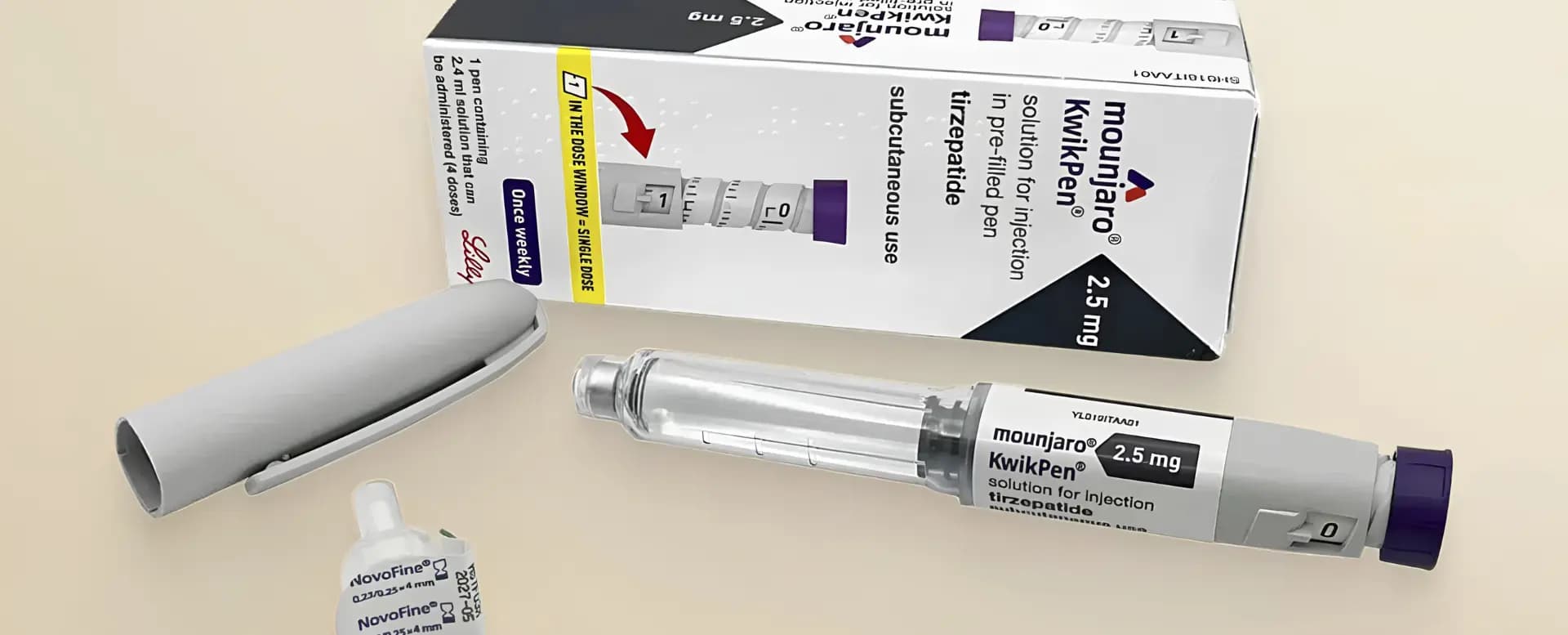
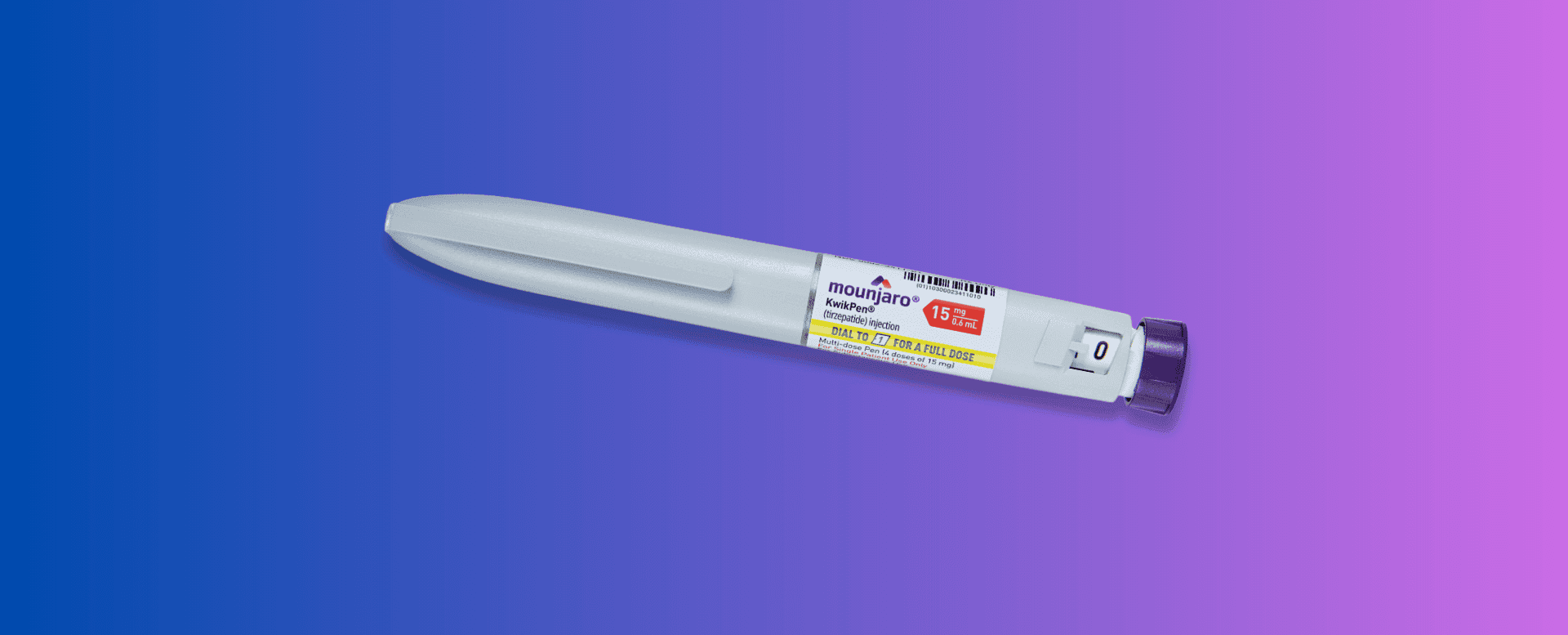
Mounjaro is a once-weekly injection treatment, containing the active ingredient tirzepatide and works by activating two hormone pathways, GLP-1 and GIP.
In doing so, Mounjaro makes you feel fuller, quicker and for longer, leading to a reduced food intake and thus, weight loss.
Manufactured exclusively by Eli Lilly, Mounjaro is an MHRA-approved treatment for type-2 diabetes and weight management.
As a prescription-only (POM) treatment, Mounjaro can only be accessed from registered pharmacies following an online consultation. This form asks about your weight, your current health and if you take other medications.
Additionally, prescribers may request scale images and access your NHS summary care record, used to determine if the treatment is clinically safe for you.
How Does Mounjaro Work?
By mimicking GLP-1 and GIP hormones, Mounjaro:
Slows stomach emptying. Food leaves the stomach more slowly, helping you feel fuller for longer after meals
Signals the brain to feel full, suppressing appetite and reducing food cravings.
Regulates blood sugar levels. This stops sugars getting too low or high, regulating hunger in between meals, further preventing cravings.
Mounjaro is not a quick fix. To work effectively, patients must make sustainable lifestyle changes, namely a reduced-calorie diet and increased physical activity.
Effectiveness: Does It Work?
Data from clinical trials, shows patients taking Mounjaro showed an average 6% weight loss over 8 weeks. The same trial concluded, over 72 weeks, taking Mounjaro at the highest dose (15mg) led to an average weight loss of 22.5%.
In addition to, and as a result of weight loss, other benefits documented include:
Reduced blood pressure
Improved cholesterol levels
Reduces waist circumference
Enhanced insulin sensitivity
Data from this trial supports Mounjaro reduces the risk of chronic health conditions, as well as helping reduce weight.
Factors Influencing Mounjaro Results
Weight loss data from clinical trials are average results with each individual responding differently to Mounjaro.
Factors influencing weight loss include:
Starting body mass index (BMI) - those with a higher starting BMI may lose a higher percentage of weight.
Sex assigned at birth
Age - the older we get, metabolism slows down
Underlying health conditions, such as PCOS, diabetes or thyroid disorders which can affect metabolism
Adherence to lifestyle changes, without which treatment does not work effectively
Using the medication as prescribed.
Who can use Mounjaro
Whilst an effective treatment, Mounjaro is not suitable for everyone. It is licensed for use in adults with:
A BMI of 30 or more
A BMI of 27-30 with at least one weight-related health condition.
A weight-related health condition is any condition which is caused by, or made worse by excess weight, such as heart disease, type 2 diabetes, sleep apnoea, or arthritis.
Here at Quick Meds, we work alongside patients, in a joint decision making process, ensuring treatment safety and effectiveness.
Who cannot use Mounjaro
Due to the way the treatment works in the body, patients with certain health conditions cannot use Mounjaro whilst others can only use it if extra precautions are taken.
Who should avoid Mounjaro (contraindications)
Under certain circumstances, Mounjaro is a strict no for safety reasons:
Allergies (hypersensitivity): if you have ever had a severe allergic reaction to tirzepatide or any of the other ingredients in the pen, you should not use it.
Type 1 Diabetes: As Mounjaro reduces blood sugar, combining with insulin or other blood sugar lowering drugs can cause a dangerous drop in blood sugar, called hypoglycemia.
When to Use Caution
Whilst not completely off the table, Mounjaro requires a careful approach or adjustments:
Kidney problems. Mounjaro can cause side effects which can lead to dehydration. If you get severely dehydrated, this can affect the kidneys. If you have a history of kidney injury, you may require closer monitoring.
Diabetic Retinopathy: Rapid blood sugar improvements can cause a temporary worsening of diabetic retinopathy. If you notice any vision changes whilst on treatment, get this immediately checked out.
Thyroid, Gallstones or Pancreatitis History. If you or a family member has ever had any of these conditions, Mounjaro may not be safe for you.
Oral contraceptives - Females using the contraceptive pill are advised to use an additional barrier method for the first 4 weeks of treatment and first 4 weeks after each dose increase.
Whenever requesting any medication, it's important to openly disclose any and all medical information, even if you don’t think it's relevant. This can help your healthcare provider make an accurate clinical assessment, ensuring safety.
Mounjaro Injection: Administration and Dosage
Mounjaro devices are prefilled with 4 doses. Available in multiple strengths from 2.5mg to 15mg, all patients start at the initiation dose of 2.5mg administered once weekly.
The dose is increased no sooner than every 4 weeks until a suitable dose is reached which offers a balance of effectiveness and tolerance. This gradual increase allows the body to safely adjust to treatment at each stage of treatment.
Some patients do not need to increase each month. If a current dose is helping with weight loss, increasing will not speed things up but may increase the risk of side effects.
Consistency is key to Mounjaro treatment. If you have had a break in treatment, ensure to contact your provider before continuing treatment as your dose may need to be adjusted.
To use Mounjaro:
Check and inspect
Verify you have the correct pen, and it hasn't expired. Remove the pen cap and inspect the liquid which should be clear, colourless with no particles.
Attach a needle
Peel the paper tab off a new needle, push straight onto the pen and twist to tighten
Remove the outer needle cap and save for later. Then remove and discard the inner needle cap
Prime the pen
Turn the dose selector by 2 clicks. Holding the pen uprights, push the dose button all the way holding for 5 seconds. A small drop of liquid at the needle tip verifies the pen is ready to use.
Dial your dose
Turn the dose selector knob all the way until it stops turning. The dose window will show a ‘1’, indicating one full dose is loaded.
Inject your dose
Gently insert the needle into your chosen injection site. Press the button all the way down until it stops, then hold for an additional 5 seconds before removing the needle.
Safe removal and storage
Carefully place the outer needle cap back onto the needle and use this to twist the needle off, discarding immediately into a sharps disposal container. Replace the pen cap and store appropriately until your next dose.
Mounjaro can be injected into the stomach (avoiding a 5cm area around the belly button), thighs or upper arm. It is recommended to rotate injection sites to avoid injection site reactions.
What Are the Side Effects of Mounjaro?
Like all medications, Mounjaro can cause side effects though not everyone gets them.
The most common side effects affect the gut and include nausea, vomiting, diarrhoea, constipation, headaches, bloating and sulfur burps. These are most likely to occur upon treatment initiation and at dose increased. These side effects usually go away on their own as the body adjusts to treatment.
More serious side effects include:
Gallstones
Pancreatitis
Anaphylaxis (severe allergic reaction)
Kidney issues
Vision changes
If you experience any of these side effects, you should stop using Mounjaro and seek immediate medical attention.
The patient information leaflet enclosed in the Mounjaro box contains a full list of side effects.
Comparing Mounjaro with Other Weight Loss Medications
Other weight loss medicines currently available include Wegovy, Orlistat and Liraglutide (Saxenda, Nevolat). Except Orlistat, all of these work by activating the GLP-1 pathway, to varying degrees.
Wegovy, as with Mounjaro, is a once-weekly injection whilst both Saxenda and Nevolat are injected everyday.
Orlistat is the only licensed weight loss medication taken by mouth. This works by reducing dietary fat absorption. Wegovy is also in the final stages of approval as a tablet form, and is not yet available.
Whilst Wegovy and Mounjaro have not been directly compared in a head-to-head trial, data from independent studies can be compared to gain insight into their comparative effectiveness.
Feature | Mounjaro | Wegovy | Nevolat |
|---|---|---|---|
Average % weight loss after 72 weeks | 22.5% | 21% | 8% |
Active Ingredient | Tirzepatide | Semaglutide | Liraglutide |
Mechanism of Action | GLP-1 and GIP | GLP-1 only | GLP-1 only |
Dosing schedule | Once weekly | Once weekly | Daily |
Lifestyle Considerations: Diet and Exercise While Using Mounjaro
Mounjaro is not a quick fix. The aim of treatment is to gradually make behavioural changes whilst on the medication which can then be continued if treatment is stopped, preventing regain.
Mounjaro is intended to be used alongside sustainable changes to both diet and exercise, without which the treatment may now work as effectively.
Exercise
Weight loss carries the risk of losing muscle mass. If you are not incorporating strength training into your routine, you are at risk of muscle loss, leading to weakness and tiredness.
Additionally, higher muscle mass can boost your metabolism, helping to lose weight even when you’re resting. Becoming more active not only helps with weight loss but also reduces the risk of a heart attack or stroke.
Click here for more advice on what exercises you can incorporate into your schedule.
Nutrition
Alongside exercise, positive changes to your diet can significantly improve treatment outcomes whilst on Mounjaro.
The medication will help reduce food noise, appetite and cravings, helping you to eat less. Alongside this, its important to make better food choices, opting for whole foods, reducing processed foods, or foods high in salt and saturated fat.
Click here for more information on what foods to eat and what to avoid whilst on Mounjaro.
Summary
Mounjaro is a dual action therapy licensed for type-2 diabetes and weight loss. Starting at 2.5mg once weekly, the dose is increased every 4 weeks until a maintenance dose is reached.
As a prescription-only treatment, Mounjaro can only be requested following an online consultation from registered suppliers. At Quick Meds, our GPhC-registered pharmacists are happy to provide tailored advice to all eligible patients, helping you get the most out of your treatment, in a safe manner.
To work effectively, Mounjaro must be used alongside sustainable lifestyle changes: increased physical activity and reduced calorie intake.
Mounjaro is not suitable for everyone. Get in touch with the team to check if you meet the safety criteria and start your weight loss journey today.
Frequently Asked Questions
Everything you need to know
How much weight can you lose on Mounjaro in the UK?+−
Data from clinical trials shows patients can lose an average of 6% body weight within the first 8 weeks, reaching 22.5% over a 72-week period. Individual results can vary based on adherence to both treatment and sustainable lifestyle changes.
Who is eligible for Mounjaro in the UK?+−
Mounjaro is licensed for adults over 18 with a body mass index (BMI) of 30 or above, or between 27 and 30 with a weight-related health condition.
Can I get Mounjaro online without seeing a doctor?+−
As a prescription-only treatment, a prescriber has to issue you the medication following a clinical assessment. This can be done online, through clinics such as Quick Meds.
Online providers may ask for additional information to determine safety by requesting body images or checking your NHS health record.
Do I still need to diet and exercise while taking Mounjaro? +−
Yes, Mounjaro is not a quick fix. Strength training is particularly important to reduce the risk of losing muscle mass, which can affect metabolism.
Why do I need to use back-up contraception while taking Mounjaro? +−
Mounjaro slows stomach emptying, which can affect how the body absorbs oral medicines. For those using the oral contraceptive pill, this may mean you are not protected.
For the first 4 weeks of treatment and for the first 4 weeks after each dose increase, a barrier method should be used as an added precaution.
How do I avoid getting sulfur burps and nausea on Mounjaro?+−
Digestive side effects are common on Mounjaro, particularly when first starting and after dose increases. Focus on eating smaller portions, avoiding processed or high-fat foods and staying hydrated to minimise these side effects.