Rosacea treatments
Showing 2 of 2
Rosacea
Rosacea available online.
Start your Rosacea journey with us today for safe, discreet, and professional support every step of the way.
Frequently Asked Questions
Everything you need to know
What is the best treatment for rosacea redness vs spots?+−
The most effective treatment depends on your primary symptom:
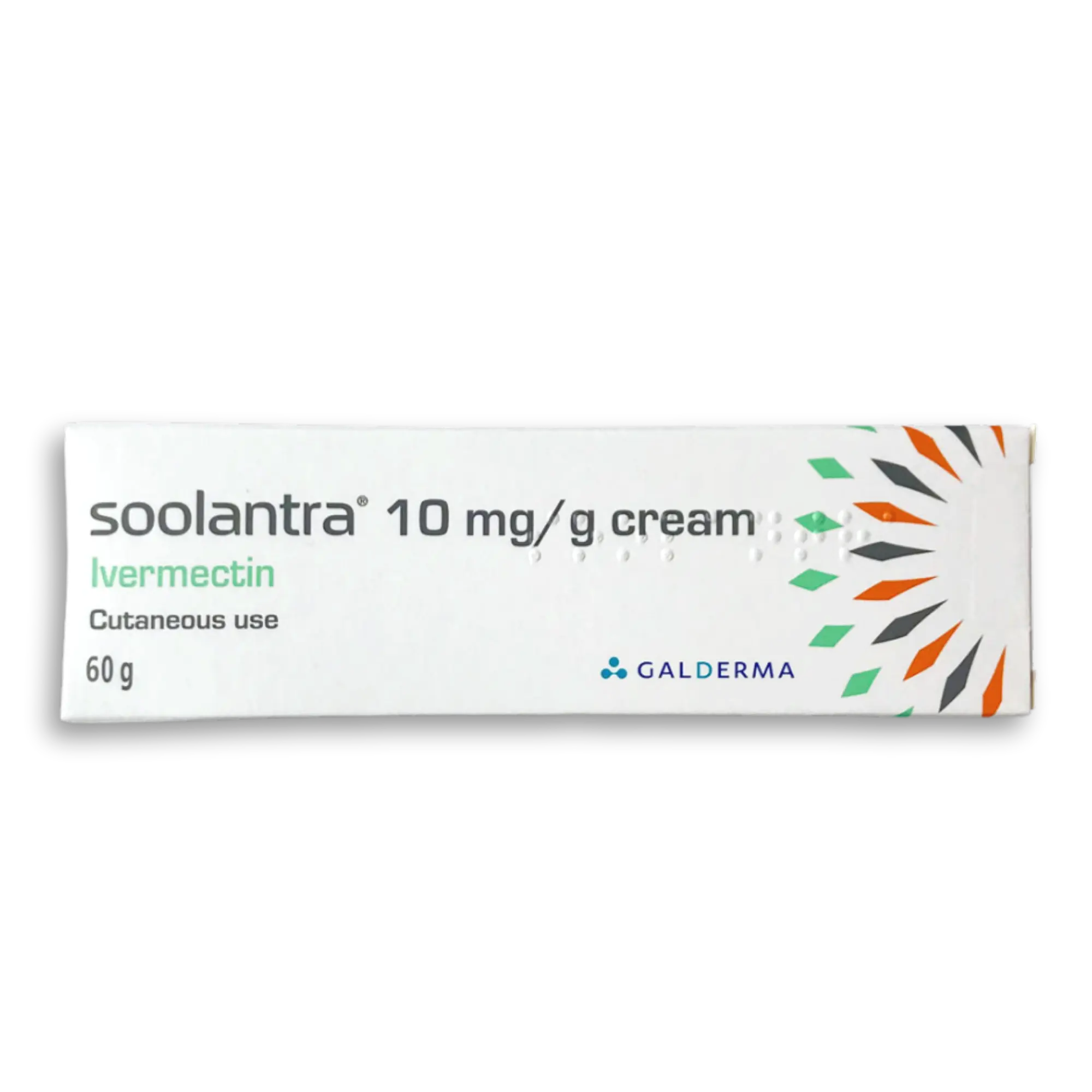
For spots, bumps and pustules - Soolantra or Metrogel are first-line treatments
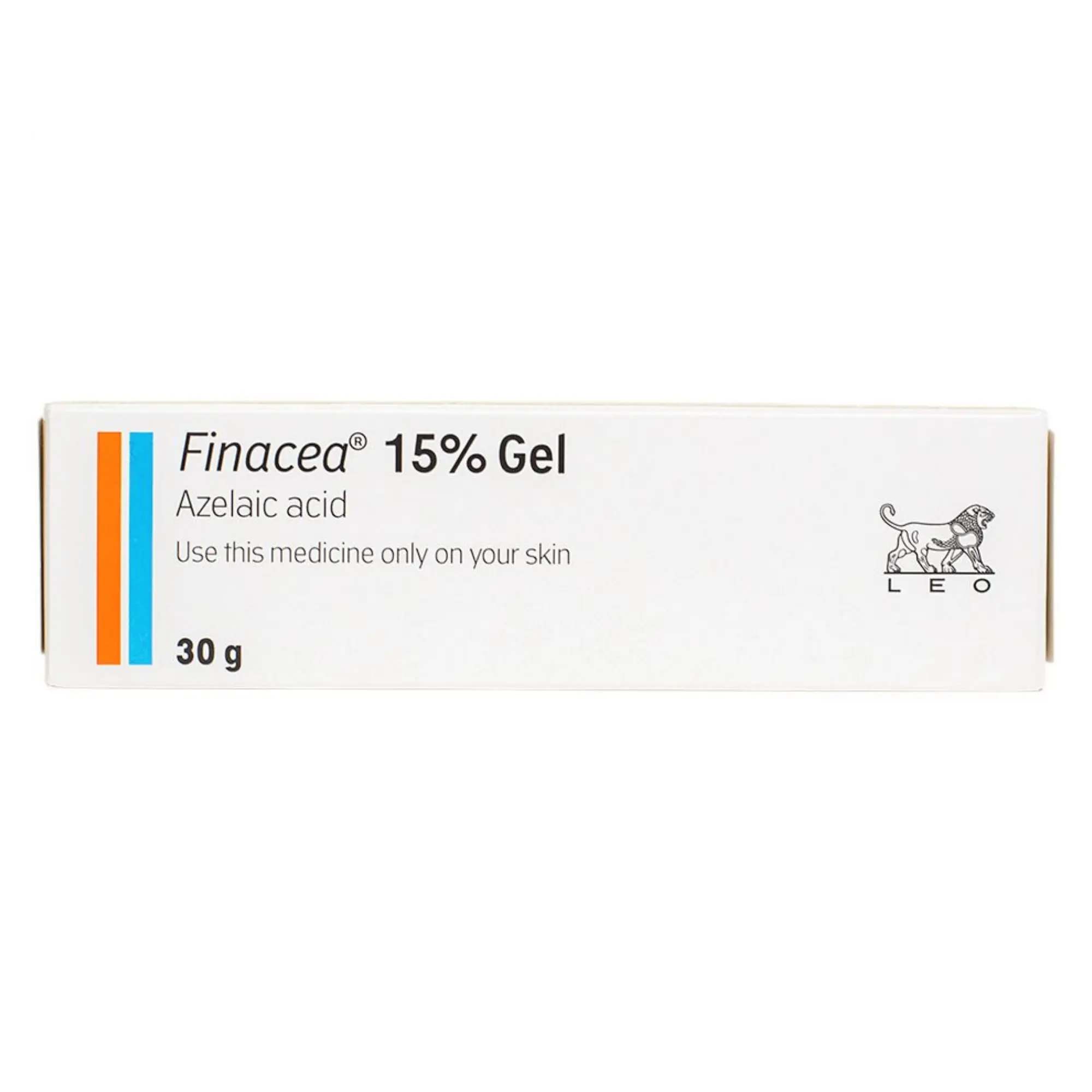
For facial redness due to spots and skin texture - Finacea is recommended.
Can I use Soolantra and Finacea together?+−
Some patients use combination therapy at different times of the day, but this should only be done under direct clinical supervision. Combining different treatments without medical guidance can cause skin irritation and increased dryness.
How long does a “rosacea purge” (initial breakout) last with Soolantra?+−
When starting Soolantra, some patients notice their spots worsen during the first 1 to 3 weeks. Symptoms usually settle rapidly helping the skin to start clearing within 4 to 8 weeks.
What is the difference between Soolantra cream and Metrogel?+−
Whilst both treatments are used to treat bumps and spots, they contain different active ingredients:
Soolantra contains ivermectin, an antiparasitic and anti-inflammatory ingredient applied once daily.
Metrogel contains metronidazole, an antibiotic applied twice daily to reduce inflammation and spots.
Why does my rosacea flare up in the winter?+−
Cold air, harsh winds and moving between cold outdoor weather and central heating causes a quick expansion of facial blood vessels. This triggers flushing and disrupts the skin barrier.
Protecting the face with a scarf can help minimise flare ups.
Is azelaic acid (Finacea) better than metronidazole (Metrogel)?+−
Neither Finacea or Metrogel treatment is “better” than the other. Their effectiveness depends on your symptoms and your skin type.
Finacea is effective if you suffer from both redness due to spots and bumps.
Metrogel is a proven option for mild, localised spot outbreaks.
Can diet and alcohol cause rosacea?+−
Diet does not directly cause rosacea but certain foods can trigger symptoms. Common triggers include red wine, spirits, spicy foods, piping-hot tea or coffee and histamine rich foods.
Keeping a food-symptom diary can help you identify personal triggers.
Can I buy Soolantra cream over the counter in the UK?+−
No. Soolantra (ivermectin cream) is a prescription-only medicine (POM) in the UK. It requires a clinical evaluation and a prescription from a qualified prescriber.
How long does it take for Finacea gel to work?+−
A noticeable improvement can appear within 4 to 8 weeks of continuous twice-daily use. Full therapeutic benefit is assessed at 12 weeks.
Will topical rosacea creams permanently cure my condition?+−
Rosacea is a chronic skin condition with no permanent cure, but its symptoms can be managed and kept in remission using appropriate topical treatments combined with avoidance of triggers.
Can I wear makeup whilst using rosacea treatments?+−
Yes. However, you should allow our prescription treatment (Soolantra, Finacea, or Metrogel) to fully absorb into the skin before applying any products on top.
Rosacea is a common, long-term skin condition that causes facial redness, flushing, visible blood vessels, and small red spots across the central face. Treatments for rosacea can vary based on your subtype of symptoms and the severity.
Quick Meds offers a convenient, confidential service for eligible patients to access rosacea treatment. After completing a short online consultation, an in-house GPhC-registered prescriber reviews your order for clinical appropriateness before dispatching in plain, discreet packaging.
Rosacea Treatments
Rosacea treatment strategies focus on controlling symptoms, reducing facial inflammation, and preventing flare-ups. As rosacea can present in different ways, treatments are categorised by their primary mechanism of action.
Topical treatments supplied by Quick Meds are suitable for adults aged over 18 years. Depending on clinical suitability, some treatments are used interchangeably at the same time, though only under direct prescriber guidance
Anti-inflammatory Cream - Ivermectin
Ivermectin cream (Soolantra 1% Cream), targets inflammatory spots and papules. It works by reducing skin inflammation and reducing the number of microscopic Demodex skin mites, which are usually found in higher numbers on rosacea-prone skin.
Azelaic Acid
Azelaic acid (Finacea 15% gel) possesses anti-inflammatory and mild anti-bacterial properties. It helps to reduce papules, pustules, and facial redness caused by the spots. It is an ideal option for patients with sensitive skin or those who cannot use ivermectin.
Antimicrobial Gels
Metrogel 0.75% Gel, contains metronidazole, a well-established antibiotic. It can help reduce inflammatory bumps, swelling, and facial redness caused by the spots.
How to Request Rosacea Treatment Online
Requesting rosacea treatment at Quick Meds is a straightforward, secure online process, eliminating the need for a face-to-face GP appointment.
Complete an online consultation. This asks about your symptoms, your medical history and if you take any other medications.
Select your treatment and checkout.
Clinical Review. A UK-based prescriber reviews your consultation.
Discreet Delivery. All approved orders are dispatched using tracked delivery in plain packaging.
All rosacea treatments offered at Quick Meds are prescription-only medicines (POMs). Completing a purchase represents a treatment request rather than a guaranteed purchase. If our prescribers deem a requested treatment unsafe/unsuitable for you, they will explain their rationale and signpost you to an appropriate healthcare provider to suit your individual needs.
Delivery Information
All orders approved by 3pm Monday through Friday are dispatched the same day using tracked delivery methods.
Each prescription order is packaged in plain, tamper-proof packaging - no pharmacy logos or mention of the contents to guarantee discretion.
How Do You Know If You Have Rosacea?
Rosacea is a chronic skin condition which relapses. This means a patient usually experiences times where skin gets better before worsening again.
Primarily affecting the central facial regions - the cheeks, nose, chin, and central forehead, symptoms include:
Persistent Central Facial Redness: A permanent blush look that doesn’t completely clear.
Facial Flushing: Sudden, intense burning or warmth triggered by heat, exercise, or hot drinks.
Papules and Pustules: Small, dome-shaped red spots or pus-filled pimples without blackheads.
Telangiectasia: Visible blood vessels across the cheeks and nose.
Skin Sensitivity: Skin that stings or burns when applying skincare products.
What Causes Rosacea
The exact cause of rosacea is complex, involving:
Vascular Hyper-reactivity - blood vessels in the face dilate easily and stay expanded.
Immune System Dysregulation - overactive inflammatory responses in the skin barrier.
Microbiome imbalance - increased number of naturally occurring Demodex skin mites.
Genetics - a strong genetic component, especially in fairer-skinned individuals.
Why Professional Diagnosis Is Essential
Certain other skin conditions share similar symptoms to rosacea, requiring completely different management. For this reason, confirming the diagnosis is essential to ensure you get the right treatment.
Acne Vulgaris - features comedones (blackheads and whiteheads) which do not show up in rosacea.
Seborrhoeic Dermatitis - causes oily, yellowish scales around the nose folds and eyebrows, rather than bumps and flushing.
Perioral Dermatitis - shows as clusters of bumps around the mouth, apart from a thin edge around the lips.
Systemic Lupus Erythematosus (SLE) - A “butterfly” rash across the cheeks that doesn’t affect the nose folds but is accompanied by joint pain or fever.
Comparing The Main Rosacea Treatments
Choosing the right treatment depends on your specific symptoms, i.e., do you primarily suffer from inflammatory spots or persistent redness. The table below compares the treatments offered at Quick Meds:
Treatment | Primary Indication | Dose | Key Advantage |
|---|---|---|---|
Soolantra Cream (Ivermectin 1%) | Moderate spots, pustules and inflammatory bumps | Once daily at bedtime | Targets Demodex mites |
Finacea Gel (Azelaic Acid 15%) | Mild-to-moderate spots and persistent redness | Twice daily | Calms inflammation and calms redness caused by spots. |
Metrogel (Metronidazole 0.75%) | Mild inflammatory spots and localised swelling | Twice daily | Proven, long-established treatment option. |
Topical rosacea treatments need to be consistently applied for optimal results. Visible results usually take 4 to 8 weeks of continuous daily use, with optimal results seen after 12 weeks.
If no improvement is seen after 12 weeks, get in touch with our clinical team to review your treatment plan.
When Not To Take Rosacea Treatments
Topical rosacea treatments must not be used if any of the following apply:
Pregnant or breastfeeding - Patients who are pregnant or breastfeeding should speak to their GP.
Allergies - do not use treatment if you have a known allergy to the active ingredients or excipients (such as parabens, propylene glycol, or cetyl alcohol)
Steroid-induced rosacea - treatments should not be applied over areas currently treated with steroid creams.
Eye symptoms. If you experience eye pain, light sensitivity, or blurred vision, stop treatment and speak to your ophthalmologist for an assessment.
Do Rosacea Medications Have Side Effects
Like all prescription medicines, rosacea treatments can cause side effects, though not everyone experiences them.
The most common side effects which are usually temporary, resolving within 1-2 weeks of use, include:
Skin burning, stinging or tingling when applied.
Mild dry skin, flaking or itching.
Skin irritation or redness.
To build tolerance to treatment, reducing application frequency to every other day can help, however this should only be done under clinical supervision.
Rarer side effects include:
Severe contact dermatitis
Allergic skin reactions (significant swelling and intense itching)
Severe facial swelling
Worsening of rosacea symptoms
Severe eye irritation if eye contact is made
If you experience any of the rarer side effects, you should stop using the treatment and seek medical advice by contacting Quick Meds, or NHS111/your GP.
Lifestyle Changes That Help Rosacea Management
Whilst medication is effective at controlling inflammation, managing triggers is important in helping prevent recurrent flare-ups:
Apply SPF daily. UV radiation is the most common rosacea trigger. Apply a high SPF sunscreen every morning (SPF 30 or higher).
Identify and avoid food triggers. Keep a food-symptom diary to track triggers such as red wine, spirits, spicy foods, very hot drinks and histamine-rich foods.
Keep a gentle skincare routine. Use mild, soap-free cleansers. Avoid harsh exfoliants, facial scrubs or chemical peels.
Protect against weather extremes. Use a scarf to protect the face from cold winds. Avoid hot baths, saunas and very hot showers.
Why Order Rosacea Treatments from Quick Meds
Quick Meds is a UK-based GPhC-registered online pharmacy operating under strict clinical governance standards. Each consultation is individually evaluated by a UK-registered in-house prescriber for safety and appropriateness.
When you order from Quick Meds, you receive:
Genuine, UK-licensed medicines sourced from approved wholesalers.
Thorough clinical checking without needing a GP appointment.
Fast, tracked delivery in plain, discreet packaging.
Ongoing clinical support from qualified UK pharmacists.
References
https://pmc.ncbi.nlm.nih.gov/articles/PMC4807898/
https://pubmed.ncbi.nlm.nih.gov/27861741/
https://www.pcds.org.uk/clinical-guidance/rosacea
https://bad.org.uk/pils/rosacea
https://cks.nice.org.uk/topics/rosacea/