Seborrhoeic Dermatitis treatments
Showing 1 of 1
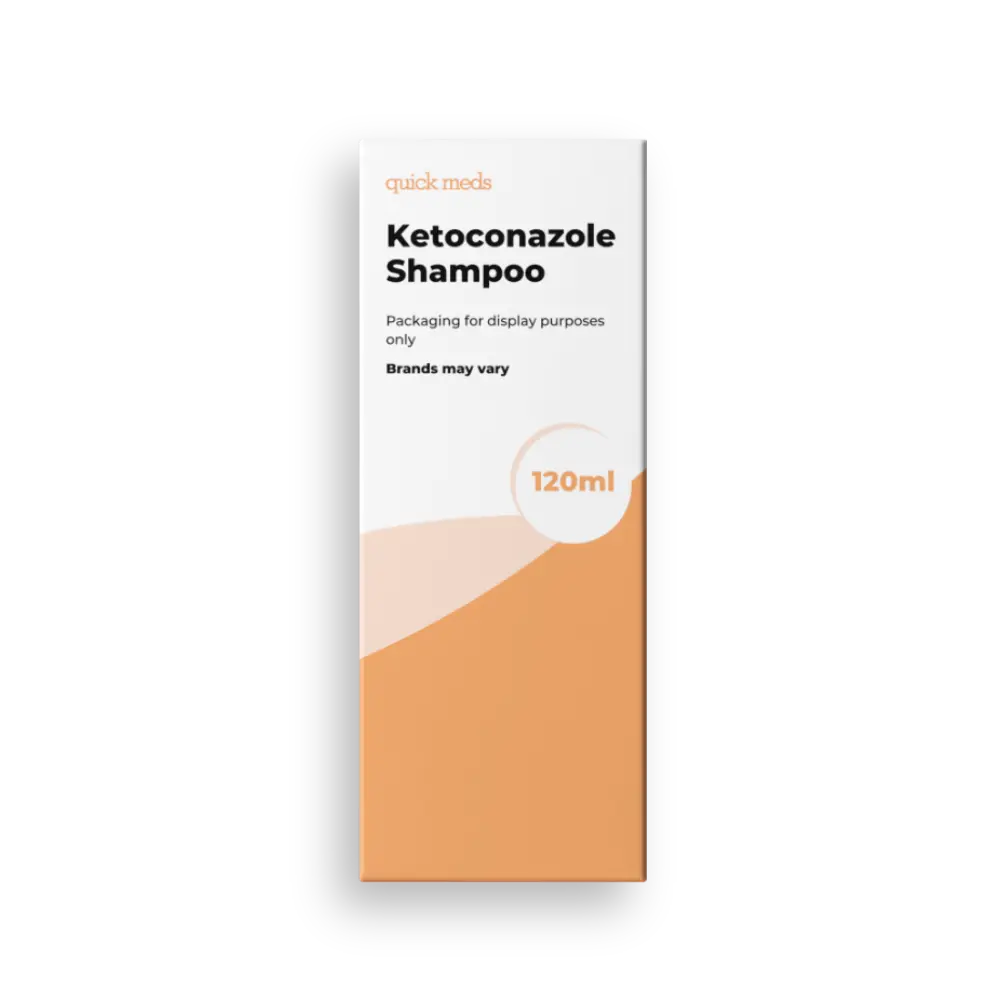
Seborrhoeic Dermatitis
We offer clinically approved treatments to help you manage seborrhoeic dermatitis and reduce symptoms such as redness, flaking, itching, and irritation. Our streamlined online consultation process ensures you receive personalised care tailored to your skin's specific needs. Take control of your skin health today with safe, discreet, and professional support at every stage of your treatment journey.
Start your Seborrhoeic Dermatitis journey with us today for safe, discreet, and professional support every step of the way.
Seborrhoeic Dermatitis treatments
Frequently Asked Questions
Everything you need to know
Is seborrhoeic dermatitis contagious?+−
No - you cannot pass it on to anyone. It comes from your own skin's biology, not from contact with others. Partners and family members have nothing to worry about.
Why does it always get worse in winter?+−
Honestly, winter is the worst time for most people with this condition in the UK. The heating indoors dries the skin out, the cold air outside does the same, and that combination makes flare-ups more frequent and harder to settle.
Can it cause hair loss?+−
Not permanently, but a badly inflamed scalp can temporarily disrupt how hair grows. If thinning is something you are genuinely noticing, our pharmacists at QuickMeds can help you work out whether it is connected.
Does stress actually make it worse?+−
It really does. Most people notice a flare coming on within days of a stressful period at work or at home. The body's stress response makes the immune system more reactive, and the skin tends to show that first.
Is antifungal cream safe to use on the face regularly?+−
For short-term flares, yes. But it is not something meant for everyday long-term use. Once skin settles, a gentle maintenance routine is usually enough. If you are unsure what that looks like for you, we can help.
Can seborrhoeic dermatitis affect the ears?+−
Yes - flaking, itching, and mild crusting inside or behind the ears is actually very common. Most people do not connect it to seborrhoeic dermatitis at all, but the same yeast driving facial symptoms is usually responsible here too.
Does diet affect seborrhoeic dermatitis?+−
No single food causes or cures it. But high sugar intake and alcohol can increase inflammation for some people and trigger flare-ups. It is not the main driver - but worth paying attention to if flares seem to follow a pattern.
Can it come back after treatment?+−
Yes - and that is completely normal. Seborrhoeic dermatitis is a relapsing condition. Treatment settles a flare, but without a simple maintenance routine it tends to quietly build back up again over time.
Is it safe to treat seborrhoeic dermatitis during pregnancy?+−
Some ingredients in medicated shampoos and antifungal creams may not be suitable during pregnancy. Rather than guessing, our pharmacists at QuickMeds can advise on what is considered safe - quickly and without a GP wait.
Not sure which treatment is right for you?+−
With so many products available it is easy to pick the wrong one and waste months going in circles. Our pharmacists at QuickMeds can review your symptoms and point you toward the right seborrheic dermatitis treatment from the start.
For many people in the UK, redness and scaling around the face have been a daily reality for months - sometimes over a year. The question that quietly grows louder with every flare-up is: is this permanent, or is something actually wrong?
It is not as complicated as it feels. What you are most likely experiencing is seborrhoeic dermatitis - a common, chronic skin condition affecting around 1–3% of UK adults, caused by a naturally occurring yeast on the skin. Not poor hygiene. Not your diet. Nothing you did wrong.
Because the symptoms are visible: redness, flaking, and irritation around the face, scalp, and eyebrows, they can quietly affect confidence and daily life.
But seborrhoeic dermatitis is not serious or contagious, and not something you simply have to put up with.
QuickMeds is a GPhC-regulated UK online pharmacy, rated 4.9/5 from over 3,000 patients, offering clinically reviewed advice and fast, discreet treatment without the wait. In this article, our pharmacists explain what causes seborrhoeic dermatitis and the treatments that can help manage it.
What is seborrhoeic dermatitis?
Seborrhoeic dermatitis is a common skin condition that causes redness, flaking, and irritation, usually appearing on areas of the skin that produce the most oil, such as the nose, eyebrows, scalp, and sides of the face.
The condition has two key characteristics worth understanding:
It is inflammatory: It means the skin becomes red, irritated, and reactive. It tends to show up in oily areas first, which is why the nose, eyebrows, and hairline are the most commonly affected spots.
It is chronic: It does not simply go away after one treatment. It works in cycles. There will be periods where the skin flares up with redness and visible flaking, and then periods where it calms down almost completely. This pattern of flaring and settling is completely normal with this condition.
What causes it?
Seborrhoeic dermatitis is not caused by dirty skin or poor hygiene, and that is the first thing worth clearing up. The real causes go a little deeper than that, and understanding them actually makes managing the condition much easier.
There are three main things happening, and they all connect to each other.
A Yeast Called Malassezia
Everyone has a yeast called Malassezia living on their skin, it is completely normal and harmless in most people. But in some people, this yeast grows a little too much. When that happens, it starts releasing fatty acids that irritate the skin and trigger redness and flaking.
Think of it like this, the yeast is not the problem itself, it is what happens when it gets a little too comfortable.
Too Much Sebum
Sebum is the natural oil your skin produces to stay moisturised and protected. In people with seborrhoeic dermatitis, certain areas like the nose, eyebrows, and scalp, tend to produce more sebum than usual. And here is the connection: Malassezia feeds on that oil. More oil means more yeast activity, which means more irritation.
That is why seborrhoeic dermatitis almost always shows up in the oiliest areas of the face and scalp, it is not random at all.
Your Immune System's Response
When the skin gets irritated by the yeast and excess oil, the immune system steps in, and in people with seborrhoeic dermatitis, it tends to overreact slightly. That overreaction is what causes the visible redness, inflammation, and those frustrating flare-ups that keep coming back.
Nothing's wrong with your immune system, it is just a little more overactive in this particular area.
What Makes It Flare Up?
Even when the condition is calm, certain things can trigger it back:
Stress and exhaustion: one of the most common triggers reported in the UK
Cold or dry weather: It is particularly common during the winter months.
Hormonal changes: Which is why some people notice flare-ups at certain times of the month.
Tiredness and poor sleep: When the body is run down, the skin often shows it first
Alcohol consumption: which can sometimes increase skin inflammation.
The one thing it is definitely not?
Poor hygiene. Washing your face more will not fix it, and in some cases, over-washing can actually make the irritation worse by stripping the skin's natural barrier.
Seborrhoeic dermatitis is a biological condition, not a cleanliness issue. And once you understand that, the right treatment starts to make a lot more sense.
What does it look like - and where does it appear?
A lot of people spend months not knowing what they are actually looking at. They assume it is dry skin, or maybe just a bad patch. They switch moisturisers, try a new cleanser, drink more water, and nothing changes. That is usually the point where the quiet worry starts to creep in.
So let us be straightforward about what seborrhoeic dermatitis actually looks like and where it appears.
Area | What It Looks Like | Common Symptoms |
|---|---|---|
Scalp | White or yellowish flaky patches, sometimes greasy | Itching, flaking, redness along the hairline |
Nose & Nasolabial Folds | Red, flaky skin along the sides of the nose | Scaling, redness, occasional itching |
Eyebrows | Flaking skin on or around the brow bone | Dandruff-like flakes, redness, irritation |
Ears | Scaling inside or behind the ear | Itching, flaking, sometimes mild crusting |
Beard Area | Red, flaky patches underneath facial hair | Itching, visible flaking through beard hair |
Chest & Upper Back | Round, petal-shaped scaly patches | Mild redness, flaking on oily skin areas |
Eyelids | Redness and flaking along the eyelid edges | Irritation, crusty edges, mild swelling |
Is seborrhoeic dermatitis curable?
This is probably the most searched question. The honest answer is no, but that is not the whole story. Understanding what this condition actually does long-term makes a bigger difference than most people realise.
What "Chronic" Actually Means For You Day To Day
Chronic simply means it does not disappear after one treatment and stays gone. It lingers, flares up sometimes, then settles again. That cycle is completely normal - it just means this condition needs a consistent approach rather than a one-off fix.
Expect periods of flaring - redness, flaking, irritation
Expect periods where skin settles, sometimes almost completely
Stress, cold weather, and hormonal changes can trigger a flare
The right treatment shortens flares and keeps them less frequent
The Relapsing-Remitting Pattern - What To Expect
It flares, it calms, and it flares again. That is not treatment failing - that is just how this condition behaves. Once you understand that pattern, managing it becomes far less frustrating.
Use medicated products during a flare - not just a moisturiser
Keep a simple routine going even when skin looks clear
Know your triggers and try to stay ahead of them
Do not wait until skin is really bad before acting
So What Does "Controllable" Actually Look Like?
Most people on the right treatment plan reach a point where flare-ups are rare, mild, and short-lived. It does not have to affect confidence or daily life. With the right approach and a little consistency - most people barely notice it.
Seborrhoeic Dermatitis Treatment Options
Seborrhoeic dermatitis does not need a complicated treatment plan. In most cases, the right over-the-counter products used consistently are enough to keep it properly under control.
Start With a Medicated Shampoo
This is usually the first step. Medicated shampoos containing ketoconazole or zinc pyrithione directly target the Malassezia yeast that drives the condition.
Antifungal Cream For The Face
When the shampoo alone is not enough, particularly for facial symptoms around the nose, eyebrows, or ears, an antifungal cream is the natural next step. Ketoconazole 2% cream can be used on the face and may help in reducing the yeast directly on the skin.
Short-Course Steroid Cream - When Inflammation Is The Problem
Sometimes the redness and irritation are the bigger issue rather than the flaking itself. In those cases, a mild steroid cream, like hydrocortisone 1%, can help calm things down quickly. They may reduce inflammation fast, but they do not treat the underlying yeast.
Things to consider while using it:
Use for no longer than one to two weeks at a time on the face
Never use on eyelids without medical guidance
Always combine with an antifungal, not as a standalone treatment
Maintenance - The Step Most People Ignore
Treating a flare and then stopping completely is usually why it keeps coming back.
A simple medicated wash, used less often, usually once or twice a week can help prevent flare ups, especially when combined with a fragrance-free moisturiser, and avoidance harsh cleansers.
When Over-The-Counter Is Not Enough
Most people manage well with OTC products. But if symptoms are persistent, spreading, or not responding after four weeks of treatment, that is the point to get proper advice.
At QuickMeds, our GPhC-registered pharmacists can review your symptoms, recommend the right treatment, and refer you onward if needed - without the wait for a GP appointment.
Seborrhoeic dermatitis vs dandruff vs psoriasis
Dandruff and psoriasis constantly get mixed up with seborrhoeic dermatitis - and honestly, it is easy to see why.
They all involve flaking skin, they all appear on similar areas, and they can all look pretty similar at first glance. But they are not the same thing, and they do not respond to the same treatments.
Here is a simple side-by-side breakdown:
Feature | Seborrhoeic Dermatitis | Dandruff | Psoriasis |
|---|---|---|---|
What it is | Chronic inflammatory skin condition driven by yeast | Mild, non-inflammatory form of seborrhoeic dermatitis | Autoimmune skin condition |
Where it appears | Scalp, face, nose, eyebrows, ears, chest | Scalp only | Scalp, elbows, knees, lower back |
What it looks like | Red, flaky patches - can look greasy or dry | White or grey flakes, no significant redness | Thick, silvery scales with clearly defined red patches |
Cause | Malassezia yeast, excess sebum, immune response | Malassezia yeast - milder version | Immune system overproducing skin cells |
Itching | Mild to moderate | Mild | Moderate to severe |
Contagious? | No | No | No |
Comes and goes? | Yes - relapsing and remitting | Often persistent but mild | Yes - flares and remission periods |
Treatment | Antifungal shampoo, antifungal cream, short-course steroid | Antifungal or zinc-based shampoo | Prescribed treatments - steroids, biologics, phototherapy |
When should you see a pharmacist or GP?
Most cases of seborrhoeic dermatitis can be managed at home. But there are times when getting proper advice is genuinely the smarter move rather than continuing to try things alone.
See a Pharmacist First If:
Symptoms are not improving after two to four weeks of using over-the-counter treatment consistently.
You are unsure if what you have is seborrhoeic dermatitis, dandruff, psoriasis, or something else entirely.
The condition keeps coming back quickly every time it settles, that pattern is worth discussing.
Affected areas are spreading to new parts of the face or body.
You are not sure which products to use or whether what you are using is right for your symptoms.
See a GP If:
Skin is weeping, crusting, or feels painful rather than just itchy or irritated.
Eyelids are involved, this area needs proper medical assessment before any treatment is used.
There has been no real improvement after four weeks of consistent and correct seborrheic dermatitis treatment.
Symptoms are severe, widespread, or covering large areas of the chest or back.
You are immunocompromised or on medication that affects your immune system.
How QuickMeds can help
Living with seborrhoeic dermatitis is frustrating enough without having to wait weeks for a GP appointment just to get some straight answers. At QuickMeds, we are a GPhC-regulated UK online pharmacy - rated 4.9/5 from over 3,000 patients - and our pharmacists are here to help you get the right advice and the right treatment without any unnecessary waiting.
Whether you are dealing with a stubborn flare-up or simply not sure where to start, our team can review your symptoms, recommend clinically backed products, and guide you through the next steps from the comfort of your own home.
We understand that skin conditions like this can quietly affect confidence and daily life more than people let on. That is exactly why we have made it as simple as possible to get proper support - no long waits, no awkward appointments, just honest and evidence-based advice from a qualified pharmacist who actually takes the time to help.
Browse our range of medicated treatments, or start a consultation with one of our pharmacists today.
Stop Managing It Alone - We Are Here
Months of flaking, redness, and quiet worry - it does not have to continue. Now you know what is causing it, what to use, and when to get help. QuickMeds is a GPhC-regulated UK online pharmacy with qualified pharmacists ready to guide you toward the right treatment, discreetly, affordably, and without the usual wait.