Impetigo treatments
Showing 3 of 3
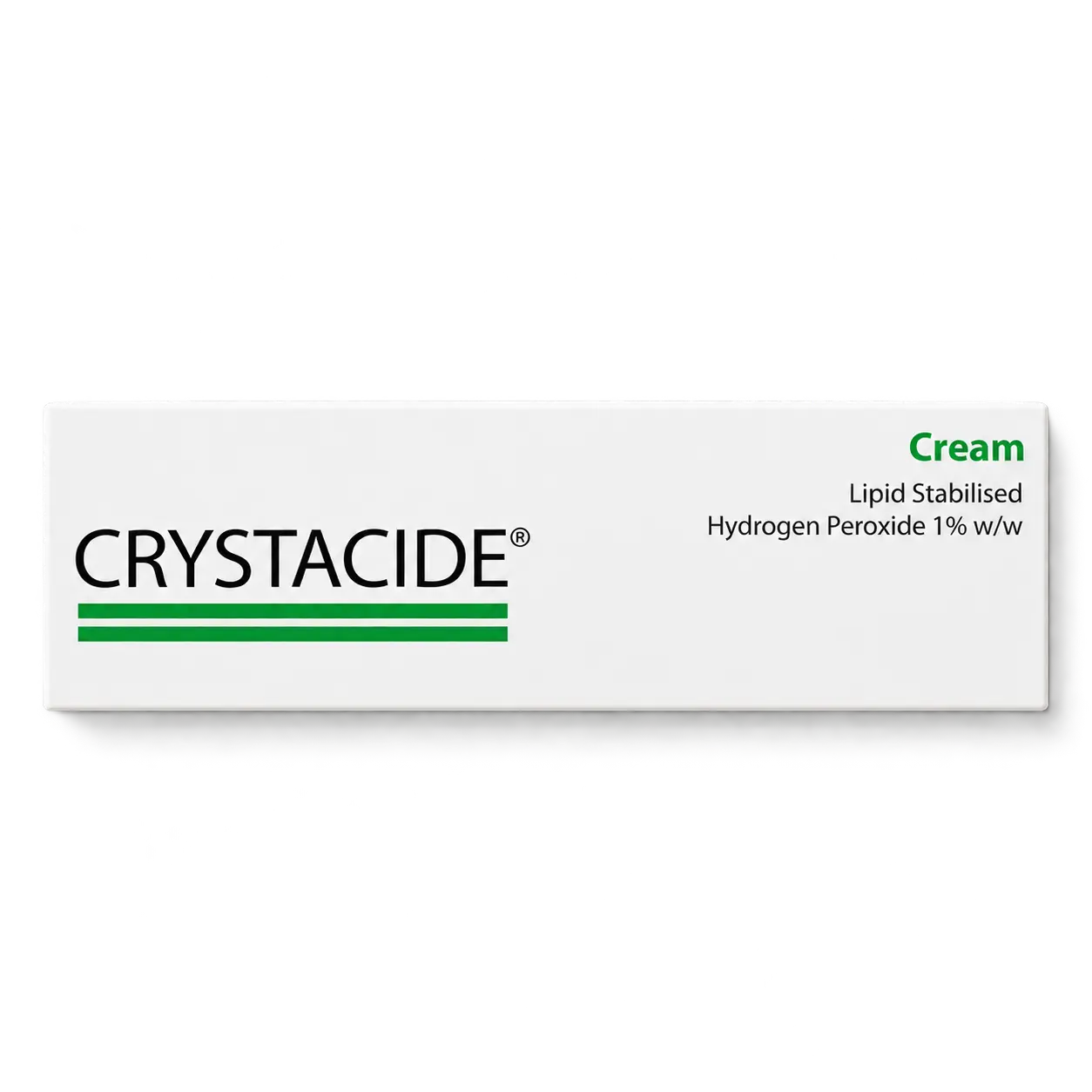
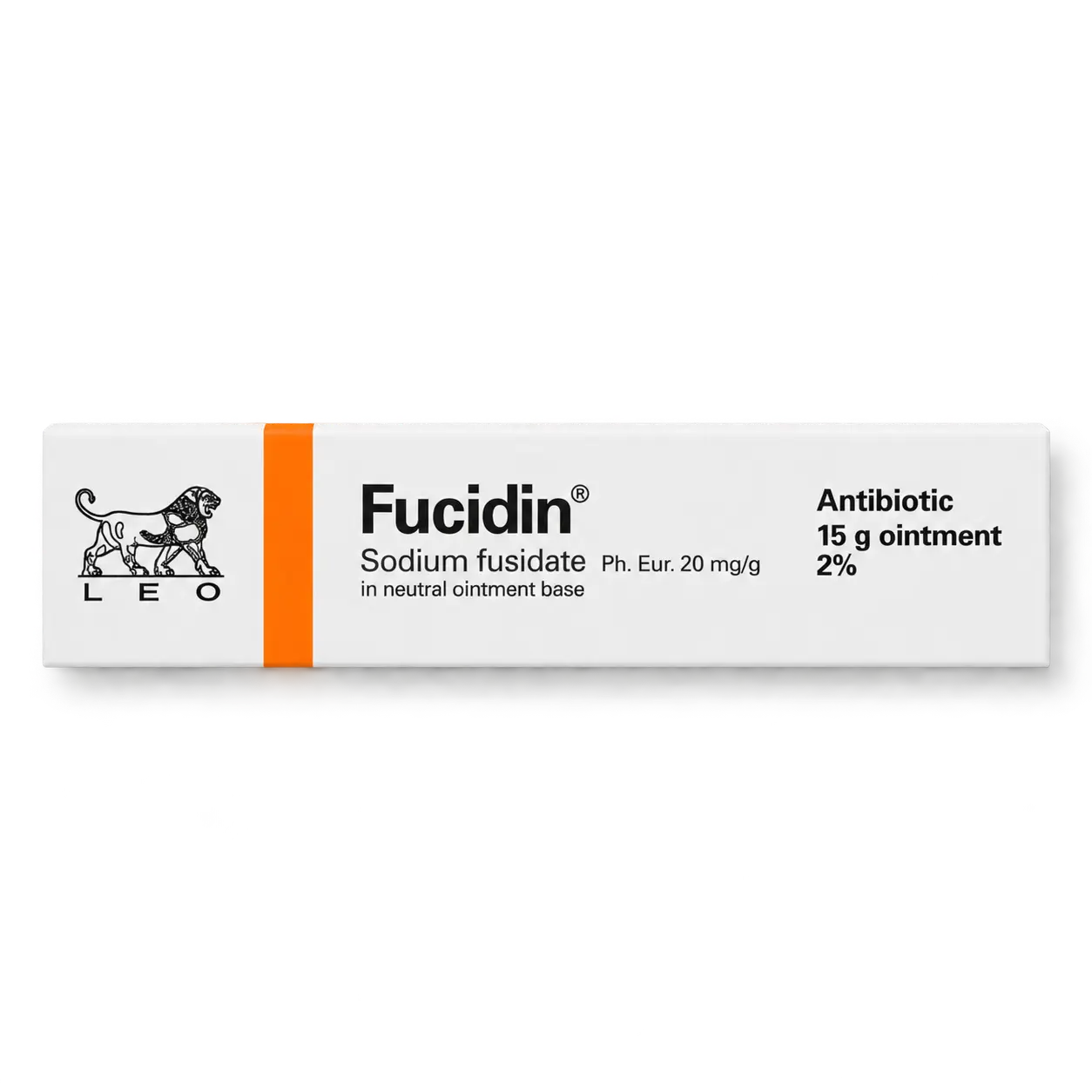
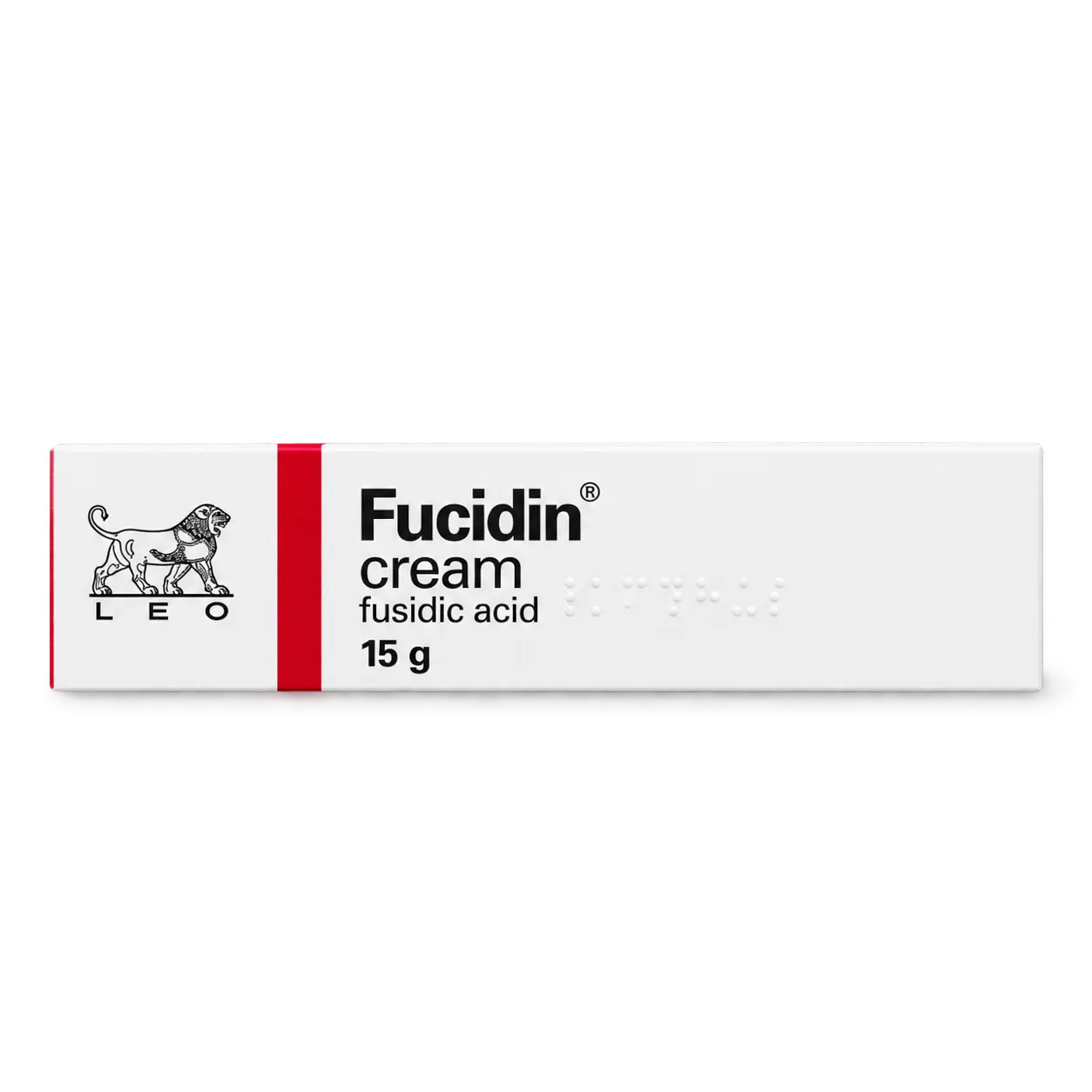
Impetigo
Impetigo in adults over 18
Start your Impetigo journey with us today for safe, discreet, and professional support every step of the way.
Frequently Asked Questions
Everything you need to know
How quickly does impetigo cream work?+−
Most patients notice an improvement in symptoms within 2 to 3 days of starting treatment.
However, it is crucial to complete the full 5 to 7 day course as prescribed, as stopping early can cause the infection to return.
When am I no longer contagious with impetigo?+−
You stop being contagious
Within 48 hours after starting effective treatment, or
Once all the sores have completely dried, scabbed, and crusted over - whichever comes first.
Until this point, you should avoid close physical contact and stay off work or school.
Do I need to submit photos to get an online prescription for impetigo treatment?+−
Yes. Photos help prescribing clinicians ensure the requested treatment is safe and appropriate for you. These are requested once your order has been made.
Can I buy Fucidin cream over the counter in the UK?+−
No. Fucidin cream (and ointment) are prescription-only medicines (POM). You can request treatment online through Quick Meds by completing an online questionnaire and photo review.
What is the difference between Fucidin cream and Fucidin ointment?+−
The main difference is the base used to deliver the drug.
Fucidin Cream - is water based and light, making it ideal for moist, weeping or exposed face/body areas.
Fucidin Ointment - is greasier, making it ideal for dry and heavily crusted or non-weeping lesions.
Why is Crystacide recommended as a first-line treatment instead of antibiotic cream?+−
Clinical guidelines recommend Crystacide as the primary firstline treatment as it is an effective antiseptic that destroys bacteria without the need for antibiotics.
This helps clear uncomplicated skin infections whilst preventing the risk of antibiotic resistant bacteria.
Can children get impetigo treatment through Quick Meds?+−
No, Quick Meds online service is strictly for adults aged 18 and over. Parents of children aged 1 to 17 years should visit a local pharmacy to access treatment under the free NHS Pharmacy First scheme, or contact their GP.
What should I do if my impetigo does not clear after 5 to 7 days?+−
If your sores show no improvement after 5 days of treatment, or if the infection continues to spread, you should stop treatment and contact your GP or NHS111.
An infection not responding to treatment may point towards resistant bacteria, a deeper skin infection or another skin condition that needs to be assessed in a physical examination.
Impetigo treatments
Impetigo is a highly contagious bacterial skin infection causing red sores, fluid-filled blisters and golden-brown crusts, typically around the mouth and nose.
Different treatments are available based on the severity and location of the infection, including non-antibiotic options like Crystacide cream, and prescription antibiotic creams like Fucidin.
At Quick Meds, prescription impetigo treatment is available following a short online questionnaire ensuring safety and appropriateness. All approved orders are dispatched in plain, discreet packaging, through tracked delivery methods straight to your door.
Impetigo Treatments
Treating impetigo quickly helps relieve itching, speeds up healing and reduces the risk of spreading infection to close contacts. Medications used to treat impetigo are of two main types: antiseptics and antibiotics.
Topical Antiseptics
The recommended first-line treatment for localised non-bullous impetigo are topical antiseptic creams such as Crystacide. Containing the active ingredient Hydrogen Peroxide 1%, it presents a non-antibiotic option which can destroy bacteria, without contributing to antibiotic resistance.
Available as a pharmacy-only (P) medicine, you do not need a prescription. Crystacide can be purchased but only under a pharmacist's supervision. At Quick Meds, you can request treatment by answering a few questions about your symptoms before you can add to your basket and checkout.
Topical Antibiotics
Antibiotic creams and ointments, such as Fusidic Acid 2%, are used when non-antibiotic options are unsuitable, or where symptoms have progressed to a more advanced stage.
Creams (Fucidin cream) are ideal for skin that is moist or weeping.
Ointments (Fucidin ointment) are ideal for dry, heavily crusted or non-weeping lesions, to help soften scabs.
Creams and ointments are not intended to be used at the same time, unless explicitly directed by a healthcare professional.
Request Impetigo Treatment Online
Requesting treatment for Impetigo from Quick Meds is a straightforward process that does not require a face-to-face appointment:
Complete an online consultation: this asks about your symptoms, medical history and if you take any other medications.
Choose your preferred treatment and checkout: Select the recommended treatment option. If you are unsure, you can contact the team for advice before placing your order.
Clinical review. Our UK-based GPhC-registered pharmacist prescribers review your consultation and will request images of the affected areas to help ensure the treatment is safe and appropriate for you.
Discreet dispatch. All approved orders are dispatched usually on the same day in plain, discreet packaging straight to your door, with next day delivery options available.
Impetigo treatments include prescription-only medications (POMs) and pharmacy-only treatments. Your order is a request for a clinical review rather than a guaranteed purchase.
There may be some instances where a remote treatment is not clinically appropriate. In these circumstances, our clinicians will explain why and direct you to the most appropriate source of care based on your individual needs.
How Do You Know If You Have Impetigo?
Impetigo is a very contagious bacterial infection which affects the upper skin layers. It is commonly caused by bacteria (Staphylococcus aureus or Streptococcus pyogenes) entering breaks in the skin, such as insect bites, scratches or eczema patches, though it can also affect intact skin.
Impetigo manifests in two distinct forms:
Non-Bullous impetigo
Bullous Impetigo
Non-Bullous Impetigo
This is the most common presentation, accounting for up to 70% of cases.
How it starts: small, red spots or tiny fluid-filled vesicles, usually around the nose, mouth, and chin.
How it develops: these spots burst quickly, usually within hours, leaking a clear/yellowish fluid.
The distinct sign: as the fluid dries, a golden/yellow crust is left behind, sitting on red, raw skin.
Non-bullous impetigo usually heals without scarring, though temporary redness or skin discolouration can occur.
Bullous Impetigo
This is the less common form of impetigo
How it starts: Caused by specific Staphylococcus bacteria that produces toxins causing the upper skin layer to separate and fill with fluid.
How it develops: it presents as larger, fluid-filled blisters (bullae) that clear then turn cloudy. Unlike with non-bullous spots, these blisters stay intact longer before popping.
Where it appears: The blisters are commonly found on the chest, abdomen, back, arms or legs. When they burst, they leave raw, shiny, red circular patches with a brown rim.
Different Types of Impetigo Compared
Feature | Non-Bullous Impetigo | Bullous Impetigo |
|---|---|---|
Key Symptom Type | Golden, yellow coloured crusts | Brown rim scale over red, shiny raw skin |
Starts As | Tiny red spots that pop quickly | Large, fluid-filled blisters (Bullae) |
Body Locations | Face - around nose, lips, chin | Trunk, chest, back, arms, or legs |
Sensation | Mild itching or light soreness | Light itching, raw sensation after bursting |
Speed of Progression | Spreads quickly over 1 to 3 days | Blisters get bigger over a few days before popping |
Why Professional Diagnosis Is Essential
Some impetigo symptoms can apply to other skin conditions. To make sure you get the right treatment for the right condition, a clinical review is essential. Conditions that can look similar to impetigo include:
Herpes Simplex Virus (Cold Sores): Does not form honey-coloured crusts over a widespread area but instead presents with grouped, fluid-filled blisters usually in the same site which tingle deeply.
Eczema: Causes dry, inflamed and itchy skin. Does not present with golden crusts unless secondary bacterial impetiginisation has occurred.
Chickenpox: Features itchy spots all over the body, accompanied by fever.
Contact dermatitis: Triggered by localised allergies or irritants, and presents as severe itching in a pattern.
Applying antibiotic creams to an infection not caused by a bacteria (such as cold sores or chickenpox), will not work, delay the correct treatment and worsen symptoms of the actual condition.
What Causes Impetigo?
Impetigo is caused by bacteria that invades the upper skin layer. It can spread quickly through direct skin contact with an infected person or by touching contaminated items (towels, bedsheets, clothing).
Any condition that makes it easier for bacteria to enter the skin (eczema, cuts, insect bites) increases the risk of developing impetigo. Warm humid weather and close-contact environments like schools or nurseries can also increase this risk.
Which Impetigo Treatment May Be Suitable for You?
Topical formulations are the standard treatment option for localised impetigo.
Crystacide offers a non-antibiotic first-line option that can kill surface bacteria with no risk of antibiotic resistance.
Fucidin cream and ointment offer targeted antibiotic therapy directly to the affected area when an antiseptic is insufficient or not appropriate.
Choosing the right impetigo treatment depends on the appearance of crusts, their location, and whether you have used anything before.
Feature | Crystacide | Fucidin Cream | Fucidin Ointment |
|---|---|---|---|
Active Ingredient | Hydrogen Peroxide 1% | Fusidic Acid 2% | Sodium Fusidate 2% |
Drug Class | Antiseptic | Antibiotic | Antibiotic |
Legal Class | Pharmacy-medicine (P) | Prescription-only (POM) | Prescription-only (POM) |
Best For | Mild, localised non-bullous impetigo First line treatment | Localised weeping, moist or exposed skin lesions | Localised dry, heavily crusted, or non-weeping lesions |
Dose | Apply 2-3 times daily | Apply 3-4 times daily | Apply 3-4 times daily |
Course Duration | 5 to 7 days | Usually 5 days (up to 7 if advised) | Usually 5 days (up to 7 if advised) |
Antibiotic treatments must be applied consistently for the full course duration, usually 5 days and no more than 7. Using topical antibiotics for longer than needed increases the risk of resistance. If an antibiotic course finishes without clearing the infection, a second course should not be applied without first speaking to your healthcare provider.
When Not To Take Impetigo Treatments
Whilst effective, Impetigo treatments are not suitable for everyone. You should not use online treatments and seek face-to-face medical care if:
You are under 18. Online services are strictly for those who are 18 and over. Parents seeking treatment for a child aged 1 to 17 should consult a local pharmacy under the NHS Pharmacy First scheme or see their GP.
You have a severe or widespread infection. If sores affect multiple body areas, or are spreading rapidly, oral antibiotic tablets can be prescribed from your GP.
You have associated systemic symptoms. Fever, chills, nausea, confusion or hot, swollen skin (a sign of cellulitis or sepsis) should prompt immediate medical attention (A&E or NHS111)
Symptoms affect high-risk locations, such as the eyes/eyelids, inside the mouth, inside nostrils, or intimate areas.
You are pregnant or breastfeeding
You are immunocompromised. Those undergoing chemotherapy, taking immunosuppressive drugs, or living with severe uncontrolled diabetes.
Do Impetigo Medications Have Side Effects?
As with all medications, impetigo medications can cause side effects, though not everyone experiences them.
As impetigo treatments are topical - applied directly on the skin - rather than swallowed into the body, side effects are minimal.
The most common side effects include:
A mild burning, stinging or tingling upon use.
Localised skin dryness, redness or mild itching.
Rarer side effects include:
Allergic contact dermatitis
Severe local inflammation
If you experience any of the following side effects, you should wash the cream off gently, stop treatment and consult a healthcare professional:
Severe burning
Worsening rash
Facial swelling
Lifestyle Changes That Support Impetigo Recovery
Medical treatment should always be paired with good hygiene practices, to speed up skin healing and stop spreading the infection to other body parts or family members.
Wash hands frequently - using soap and warm water before and after touching sores or applying treatment.
Do not pick crusts - as this can spread bacteria to other body areas.
Clean sores gently, by soaking in warm water and a paper towel before applying creams. This can help the treatment absorb better.
Do not share towels, facecloths, bedding or clothes. Ensure to wash all materials on a hot cycle.
Avoid work or social activities until at least 48 hours after starting treatment or until all sores have dried and crusted over.
Why Order Impetigo Treatments From Quick Meds
Quick Meds is a UK-based, GPhC-registered online pharmacy operating under strict UK clinical governance standards. Each treatment request is clinically reviewed by a UK-registered prescriber. All approved orders are packaged securely in plain, discreet packaging and shipped using tracked delivery methods straight to your door.
With Quick Meds, you receive a private, convenient, and safe way to treat impetigo online, backed by a fully regulated team.
References
https://www.nice.org.uk/guidance/ng153
https://cks.nice.org.uk/topics/impetigo/
https://www.nhs.uk/conditions/impetigo/
https://www.nhsinform.scot/illnesses-and-conditions/infections-and-poisoning/impetigo/
https://my.clevelandclinic.org/health/diseases/15134-impetigo
https://pubmed.ncbi.nlm.nih.gov/25250996/