Bacterial Vaginosis treatments
Showing 2 of 2
Bacterial Vaginosis
Bacterial vaginosis (BV) is a common cause of unusual vaginal discharge. BV is caused by an imbalance of bacteria in the vagina.
Start your Bacterial Vaginosis journey with us today for safe, discreet, and professional support every step of the way.
Bacterial Vaginosis treatments
Bacterial vaginosis (BV) is a vaginal infection that can be uncomfortable and cause an unpleasant-smelling vaginal discharge. Some people think BV is a sexually transmitted infection (STI), but that’s not strictly true.
Treatment with antibiotics can usually clear BV symptoms up, and there are several things you can do to reduce the chances of an infection recurring.
Let’s dive into the causes of this intimate infection, how symptoms appear, the best ways to treat bacterial vaginosis, and what you can do to prevent it.
What is bacterial vaginosis (BV)?
Bacterial vaginosis is an infection and one of the most common causes of abnormal discharge from the vagina. It’s caused by an imbalance in the bacteria that are usually found in the vagina, with an overgrowth of “bad” bacteria.
BV is sometimes confused with STIs as both types of infections can cause changes in vaginal discharge. However, bacterial vaginosis isn’t strictly a sexually transmitted infection, although it is more common in sexually active women and is “sexually associated”.
What does bacterial vaginosis look like?
Most often, BV can appear as a change in discharge colour and/or consistency. Your discharge may become thin and watery. You may also notice a grey/white colour to it that’s not usually there.
Vaginal discharge is normal – it’s secreted from within the vagina to keep it clean, help avoid infections, and support reproduction. It’s also common for it to change sometimes, so it’s good to know what’s usual for you and what could be the sign of an infection like BV.
A woman’s discharge can change throughout the menstrual cycle. After your period there tends to be a small amount of white/yellow discharge, with it becoming stickier as oestrogen levels increase over the next few weeks. Around ovulation, there can be an increase in discharge, with it becoming clearer and slippery. After ovulation, you may find your discharge becomes stickier, thicker, and cloudy as you approach your period.
You may also notice changes in your discharge during other times where your hormones are changing, like throughout pregnancy or when approaching menopause. You’ll also produce more, slippery discharge during times of arousal.
By understanding these normal changes in discharge, you’ll be able to notice abnormal changes that could be caused by BV.
What does bacterial vaginosis smell like?
For many women, the first sign of BV they notice is an unpleasant fishy aroma to their vaginal discharge. This is due to chemicals produced by the “bad” bacterial overgrowth in the vagina.
The fishy aroma tends to be worse after sex and/or after finishing your period. This is because both blood and semen are alkaline. Alkaline substances interfere with the vagina’s strict pH balance and can increase the release of the chemicals that cause the fishy smell.
Many women with BV don’t experience any physical symptoms and can experience this unpleasant fishy smell without any other signs.
What are the signs of bacterial vaginosis?
Around half of women with BV don’t have any symptoms at all. Where they do have symptoms, women can notice a watery/thin vaginal discharge that has an unpleasant fishy aroma.
These discharge changes don’t usually come with any pain, soreness, or itching. Abnormal discharge that comes with itching or pain could be the sign of a different type of infection, such as a yeast infection (thrush) or an STI.
Sometimes BV can cause pain in or around the vagina, for example during or after sex, although this is less common. BV shouldn’t cause bleeding from the vagina, but you are more likely to notice BV symptoms towards the end of your period or after it’s finished.
Diagnosis of BV can often be made by symptoms alone, but a healthcare professional can take a swab for testing if needed. It’s also possible to buy BV home testing kits, although these aren’t as effective and should only be used if you’re experiencing BV symptoms.
What causes bacterial vaginosis?
Bacterial vaginosis is an infection caused by an imbalance of the bacteria in the vagina. It’s not caused by one specific type of bacteria, but by an overgrowth of several types of bacteria that are usually found in the vagina.
Usually, the population of bacteria that’s naturally found within the vagina helps prevent bad species of bacteria from taking over. In BV, the delicate pH balance of the vagina is disrupted which allows the overgrowth of these “bad” bacteria to happen.
We don’t fully understand how this disruption happens, but we do know that several things can increase the risk of BV by upsetting the vaginal pH or negatively affecting the good vaginal bacteria (especially a type known as lactobacillus).
How is bacterial vaginosis treated?
Bacterial vaginosis treatment focuses on addressing the imbalance of bacteria in the vagina. This can be done by killing off the bad bacteria, supporting growth of the healthy bacteria within the vagina, and avoiding BV triggers.
In some cases, BV may go away on its own, but it’s best to seek treatment or advice from a healthcare professional.
Over the counter treatments are available that support the healthy bacteria in the vagina, helping them to multiply and out-compete the bad bacteria causing BV. These products are typically gels or little tablets with applicators (pessaries) that are inserted directly into the vagina.
Although many women use these products and some report positive effects after treatment, there is mixed evidence as to how effective they are for curing BV.
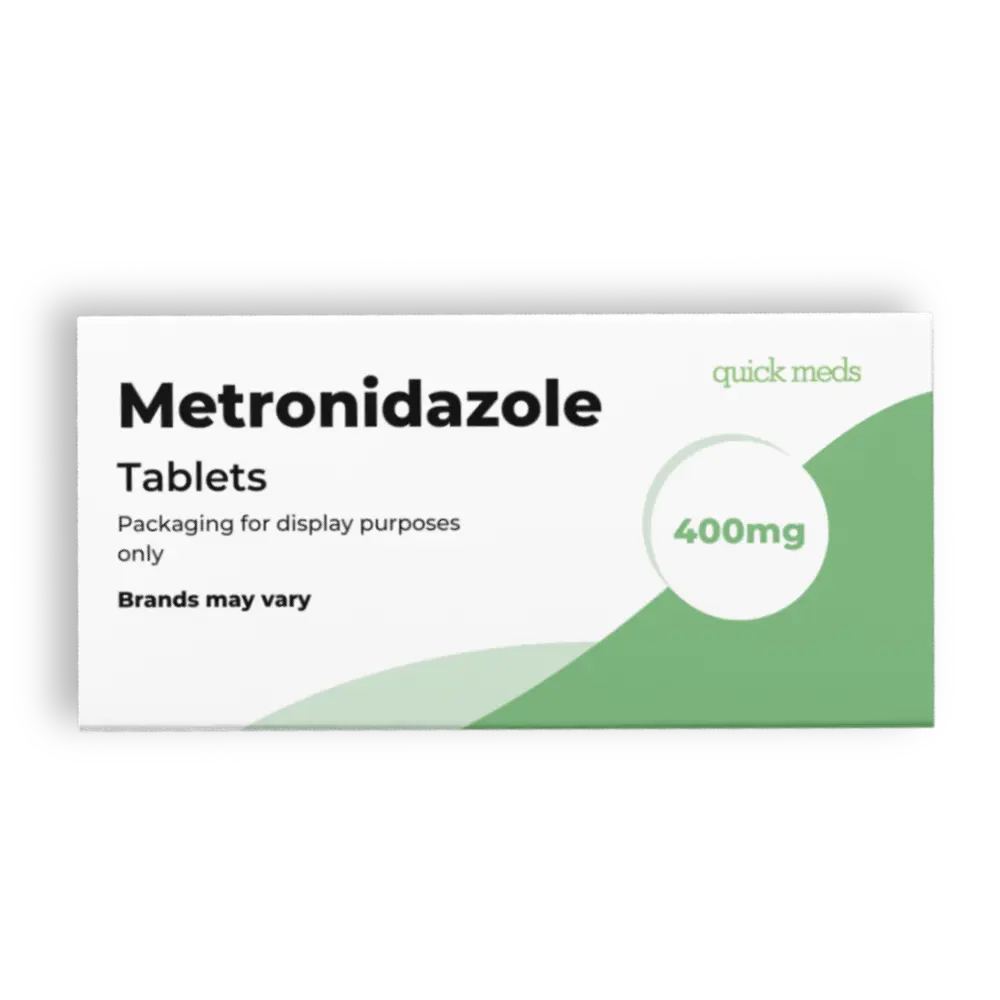
The most effective bacterial vaginosis medicine is antibiotics. The National Institute for Health and Care Excellence recommends metronidazole tablets as the first-line treatment for BV in women who aren’t allergic.
You’ll usually take 400mg of oral metronidazole twice a day for 5 to 7 days, although this can be given as a single larger dose of 2g in some cases (but not for pregnant women). Oral clindamycin and oral tinidazole are alternative antibiotics for women who can’t take metronidazole.
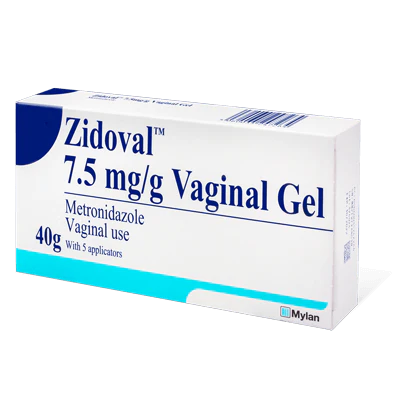
For women who prefer not to take antibiotic tablets, it’s possible to use intravaginal metronidazole gel or clindamycin cream instead. The 0.75% metronidazole gel is taken once a day for 5 days while the 2% intravaginal clindamycin cream is used once a day for 7 days.
These antibiotic creams aren’t suitable for everyone and can interfere with barrier contraceptives like condoms, so it’s important to discuss the medication with a healthcare professional before using it.
All medications can come with side effects, whether taken orally or inserted into the vagina. A full list of the side effects can be found in the patient information leaflet within the medication packaging – this includes both the topical and oral treatments.
If symptoms continue after treatment, you should seek help from a healthcare professional.
BV should be treated otherwise it can lead to complications in some cases. Untreated BV can increase the risk of:
Developing complications after vaginal surgery/termination of pregnancy
Becoming infected with HIV when having sex with someone who is HIV positive
Experiencing pelvic inflammatory disease
Having problems during pregnancy and childbirth (including going into early labour, miscarriage, a low-birth-weight baby, and/or infections after birth)
Being unsuccessful during IVF treatment
Most cases of BV can be successfully treated with a single course of antibiotics, avoiding the chances of any BV-related health problems.
Can you prevent bacterial vaginosis?
It’s not possible to completely prevent BV, but you can reduce your chances of experiencing the condition by avoiding risk factors known to trigger it.
Factors that are known to increase the risk of BV include:
Being sexually active, especially having multiple sexual partners
Having female sexual partners
A recent change in sexual partner
Certain sexual behaviours (including anal/oral intercourse followed by vaginal penetration or sharing unwashed sex toys)
Not using condoms
Douching/cleaning inside the vagina
Having a copper coil for contraception (intrauterine contraceptive device)
Smoking
Poor genital hygiene (including not washing the vaginal region and/or not changing underwear)
It’s best to avoid things known to affect the pH of the vagina too. This includes washing around the vulva more than once a day (especially with perfumed products/soaps), washing inside the vagina, using scented laundry products on your underwear, or adding any products to your bath water.
If you keep getting BV symptoms, it’s best to speak to a healthcare professional.
For more information about the best treatment for your BV symptoms, complete our online BV consultation. Our expert team will assess your symptoms, prescribe the most appropriate BV treatment, and your medication will be delivered quickly and discreetly to your home or chosen collection point.