Does Mounjaro Make You Tired?
Guides
Does Mounjaro Cause Fatigue?
Tiredness on Mounjaro is usually due to how the body is responding to treatment. It's a result of what happens in the body after the dose, rather than the medication itself. Main reasons for this include:
Reduced calorie intake
Mounjaro’s primary mechanism is to suppress appetite. This leads to a reduced calorie intake (people eat less) leading to metabolic slowdown causing fatigue.
In short the body moves to preserve energy by slowing down metabolism, and is the most common reason for feeling tired.
Dehydration
Common GI side effects (affecting the stomach and digestive organs) such as nausea, vomiting or diarrhoea can lead to dehydration.
When dehydrated, this can feel like fatigue, headaches and a mental fuzziness.
Nutrient deficiency
Whilst on Mounjaro, there is a real risk of a nutrient deficiency. As you consume less food, you are at risk of getting less protein, iron, or B vitamins - all of which can contribute to keeping fatigue at bay.
Blood sugar fluctuations
Another mechanism Mounjaro works by is to improve insulin sensitivity. In doing so, blood sugars are more controlled and can lead to a hypoglycemia risk (low blood sugar).
This is higher for diabetic patients taking sugar-lowering drugs like sulfonylureas and especially with insulin.
Sleep disruption
Sleep disruption can occur through GI discomfort - issues like bloating, acid reflux or nausea can make it difficult to fall or stay asleep.
The hypothalamus in the brain helps the body regulate sleep. There is limited evidence to suggest there is a possible hypothalamus interaction with Mounjaro though more evidence is needed.
Body adjustment
The body undergoes a significant adjustment. Affecting two naturally occurring hormones (GLP-1 and GIP), Mounjaro can cause a hormonal adaptation period. This can result in temporary fatigue as the body gets used to treatment.
Which Doses Cause the Most Fatigue?
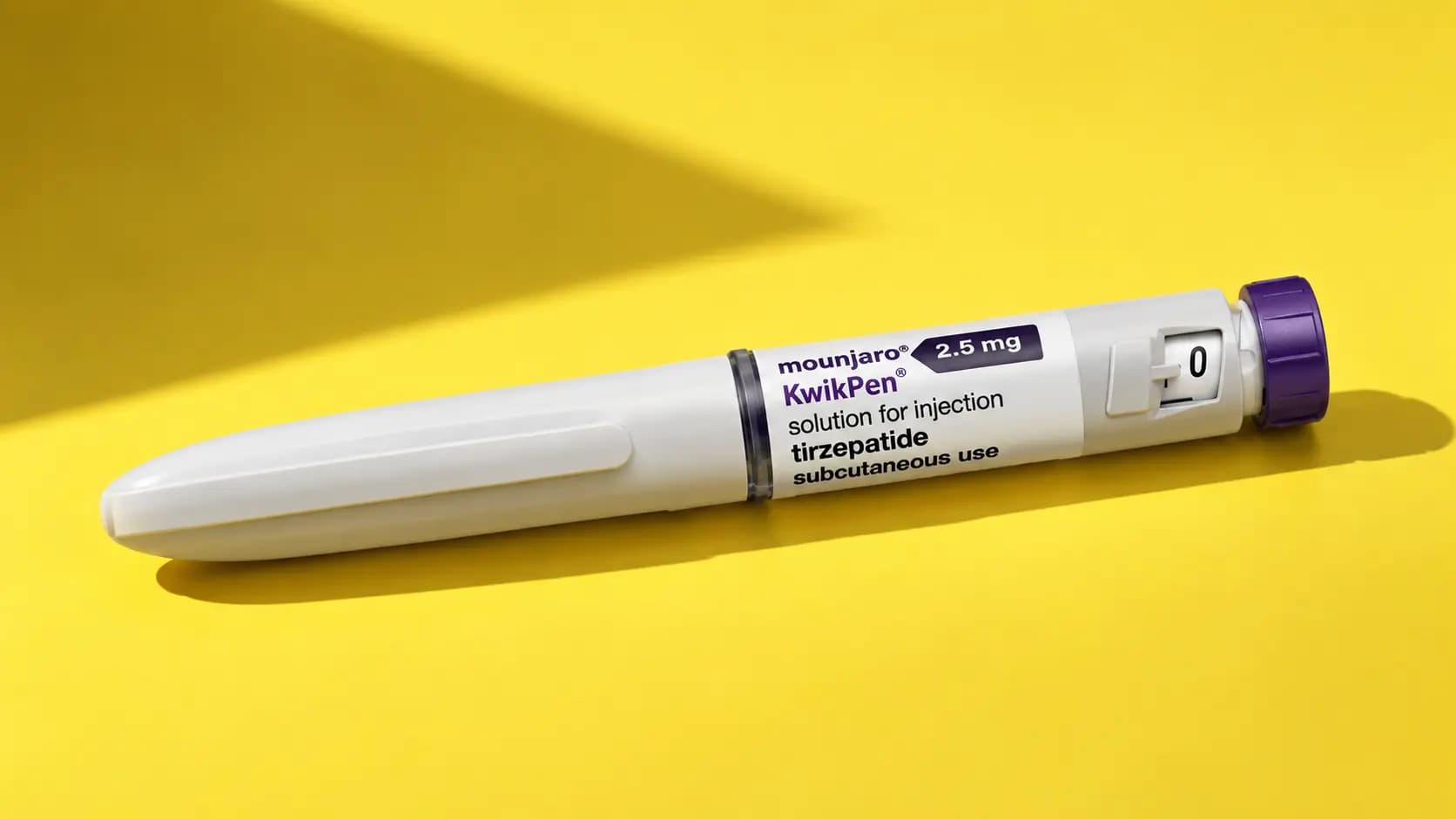
Whilst fatigue can occur at any stage of your treatment, it's usually worst in the first 1-3 weeks of taking the starting dose (2.5mg). This is when the body is adjusting to treatment for the first time.
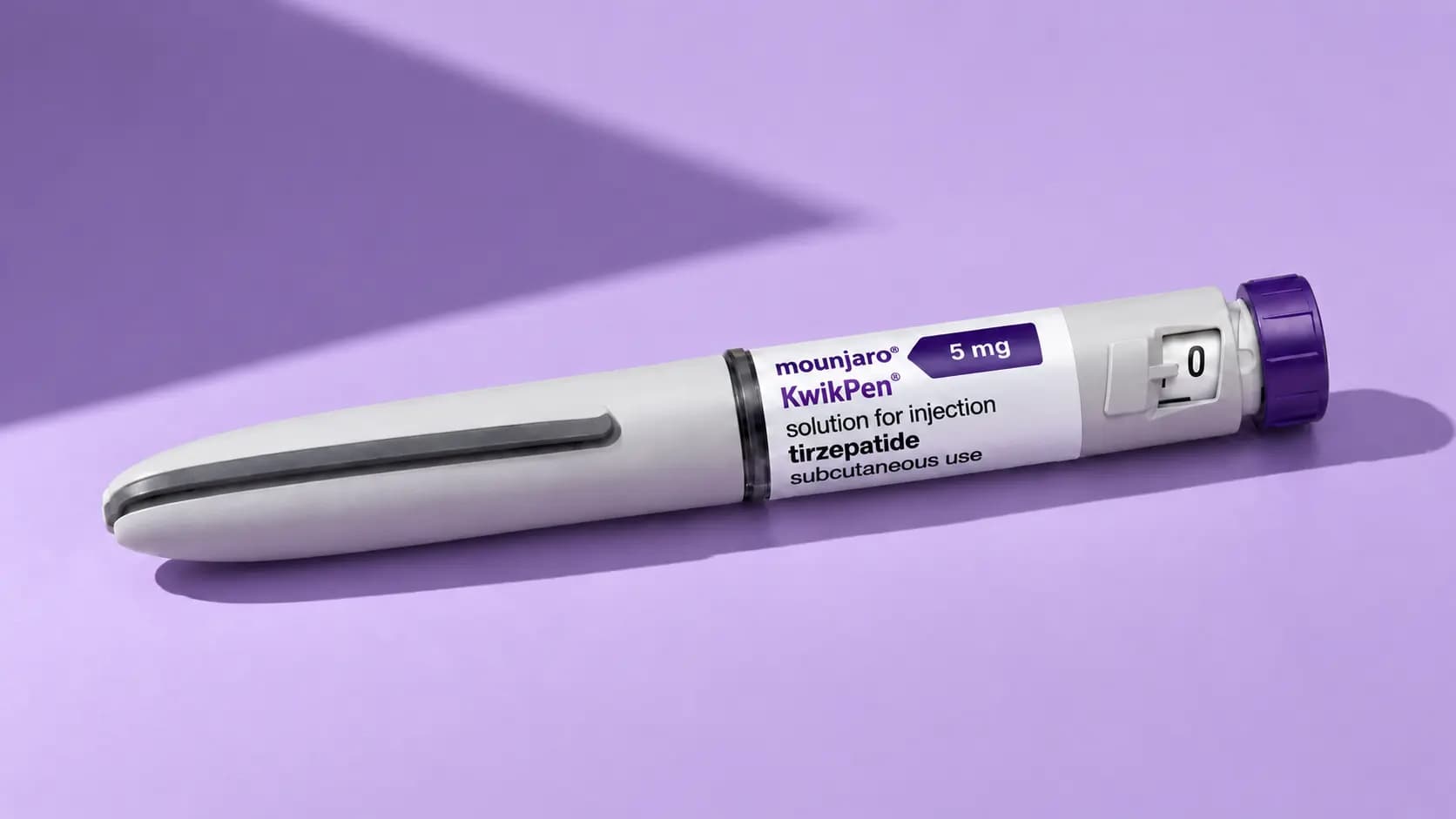
Some find, following this initial phase, they never experience side effects again, but for most, as the dose increases through 5mg or 7.5mg, the body needs to readjust, leading to another bout of fatigue.
Moving to higher doses, 10mg or higher, appetite suppression is more profound leading to a greater calorie reduction and hence more fatigue. Additionally, data from clinical trials reports these higher doses (10-15mg) are linked to slightly higher reported rates (~5-6%) of fatigue.
For these reasons, clinicians may recommend a slow titration, which can help reduce fatigue and other side effects.
If you experience persistent fatigue whilst on a stable dose, it's important to investigate other causes. Assess your nutrient intake and ensure you are adequately hydrated. Some patients find taking a simple over the counter multivitamin can help, though be sure to check with your clinicians prior to taking.
How to Manage Fatigue on Mounjaro
If you are struggling with Mounjaro fatigue, the good news is that it is manageable with a few lifestyle modifications. As a direct consequence of how the body processes the medication, focusing on what goes into your body can make a significant difference:
Eat enough calories. Though you may not need to consume three balanced meals, ensure your foods are nutrient dense, focusing on whole foods and cutting out ‘empty calories’.
Prioritise protein. Protein at every meal can help provide energy and preserve muscle mass as you lose weight.
Stay hydrated - aim to drink at least 6-8 glasses of water daily. Adding sugar-free squash may help those who aren’t great with drinking water.
Electrolytes - if you are still feeling fatigued though you are drinking plenty, consider supplementing to restore potential electrolyte imbalances.
Exercise - Gentle exercise, such as 15-20 minutes of walking boosts energy whilst also helping your weight loss journey.
Monitor blood sugars. If diabetic, check blood sugar levels regularly and manage hypoglycaemia.
Symptom diary - track patterns to identify patterns of symptoms, which can then be managed with ease.
Dose timing. Changing the dose time to the evening helps some patients to ‘sleep through’ the initial wave of side effects.
Consistent sleep routine. The right environment, away from screens or other distractions can help reset your body clock. If GI symptoms are affecting sleep, speak to your provider on how to safely manage these.
Dose titration. Consider holding at your current dose for longer. Remember, you do not need to increase the dose each month.
Ultimately, managing fatigue is about listening to the body’s signals. If fatigue tends to strike the day after your injection, a dose adjustment (after speaking with your clinician) may be the best next step.
If however, the reason is more obscure, lifestyle changes may be the best way to help deal with your symptoms.
How Long Does Mounjaro Fatigue Last?
For most people: fatigue improves within 4-8 weeks at each dose. An independent study on a similar medication found 44% of patients reported tiredness at week 4, which reduced to 22% by week 8.
Generally, most patients suffer fatigue only in the first 1-3 weeks. This is the hormonal adaptation period, where the body's hormone levels adjust to treatment. Following this, fatigue may briefly return with each increase as the body has to adapt all over again.
If there is no improvement after 6-8 weeks, you should speak to your clinicians and investigate other causes, such as low iron levels (anemia), vitamin deficiencies, thyroid function issues or sleep disorders.
Do not stop treatment without prescriber guidance. Abruptly stopping can hinder your progress without significantly helping with side effects.
When to Speak to Your Prescriber
Whilst fatigue is common and due to the body adjusting to treatment, it's important to distinguish between symptoms you can manage and when to seek further advice.
These ‘Red flags’ must be communicated straight to your prescriber:
Severe fatigue preventing daily life such as going to work or caring for yourself
Dehydration signs, such as dark-coloured urine, dizziness or a rapid heart beat.
Hypoglycaemia symptoms. Feeling shaky, sweaty or confused, particularly if you also take insulin.
Constant GI symptoms, such as severe abdominal pain
Unexplained weight gain can be concerning, whilst on a weight loss treatment.
Do NOT stop taking Mounjaro, or change your dose without prescriber intervention. Your prescriber can safely adjust the dose, run blood tests if needed and investigate other causes where appropriate.
Frequently Asked Questions
Everything you need to know
Is tiredness a common side effect of Mounjaro?+−
Tiredness can commonly be reported by Mounjaro users, although it is not formally listed as a primary side effect. It is usually an indirect result of reduced calorie intake, dehydration, blood sugar changes, or disrupted sleep. Approximately 5 to 6 percent of clinical trial participants at higher doses reported fatigue.
How long does Mounjaro fatigue last?+−
Mounjaro fatigue usually improves within four to eight weeks at each dose level. It is most common in the first one to three weeks after starting or increasing the dose. If fatigue persists beyond six to eight weeks on a stable dose, speak to your prescriber to rule out other causes.
Does Mounjaro fatigue go away?+−
Yes, for most people fatigue improves as the body adjusts. One study found the proportion of patients reporting tiredness halved between week four and week eight. It may briefly return with dose increases but typically becomes less severe each time.
What helps with tiredness on Mounjaro?+−
Eating balanced meals daily even if your appetite is low and staying hydrated with six to eight glasses of water. Consider electrolyte supplements to ensure hydration. It would be advisable for patients to maintain a consistent sleep routine by implementing sleep hygiene tactics also. Implementing gentle but regular exercise such as a 15-minute walk can help you feel refreshed and revitalised.