GLP-1 Side Effects: What To Expect and How To Manage Them
Weight Loss
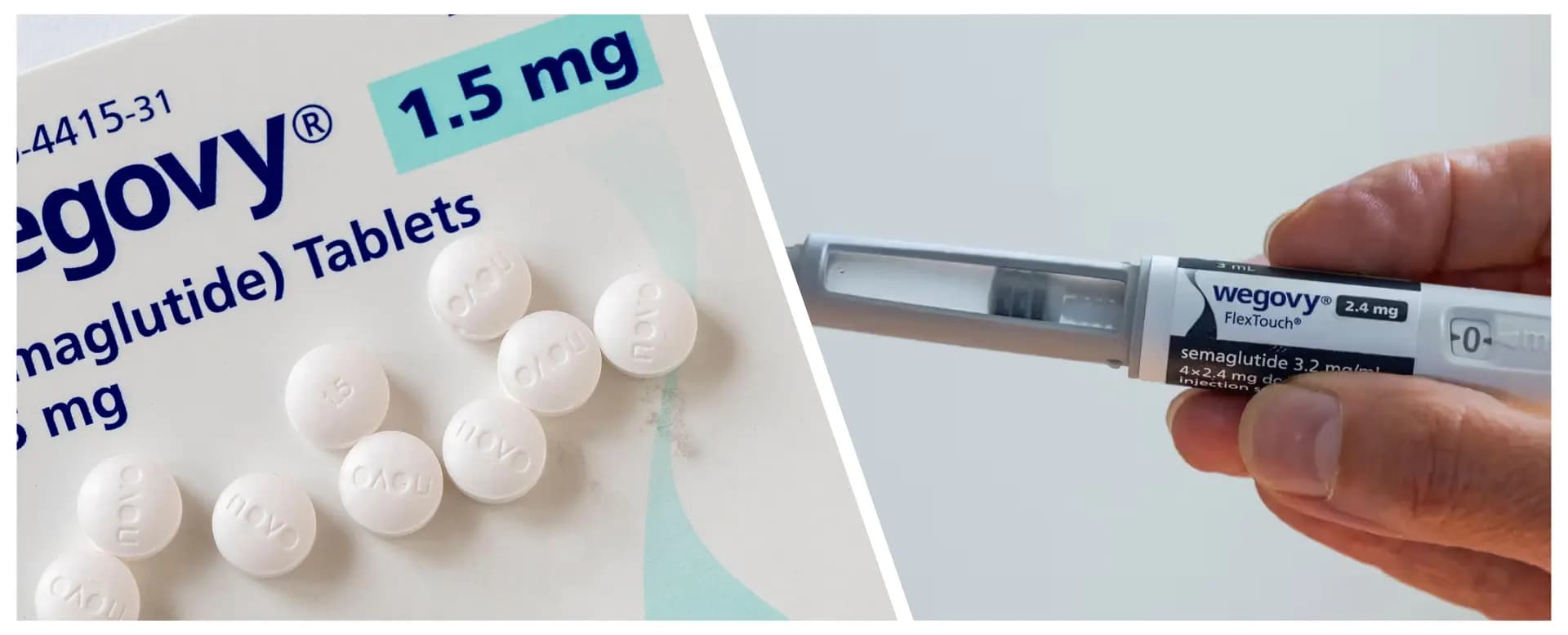
GLP-1 medications have transformed the way obesity is treated, helping many people lose significant amounts of weight by reducing appetite and helping them feel fuller for longer. Medicines in this group include injectable treatments such as Mounjaro and Wegovy.
Like all prescription medicines, GLP-1’s can cause side effects. The good news is, most side effects are mild to moderate, are most noticeable when starting treatment or increasing your dose, and usually improve as your body adjusts.
Understanding what to expect can make starting treatment much less daunting. In this guide, we’ll explain the most common GLP-1 side effects, why they happen, how long they usually last, and what you can do to manage them.
What are the most common GLP-1 side effects?
Most GLP-1 side effects affect the digestive system because these medicines slow down how quickly food leaves your stomach. The most commonly reported side effects include:
Nausea
Vomiting
Diarrhoea
Constipation
Abdominal discomfort
Bloating
Indigestion or heartburn
Not everyone will experience these symptoms, and for many people, they are mild and manageable. Some may have very few side effects, while others notice more symptoms during the first few weeks of treatment.
Having a reduced appetite is also a recognised common side effect and this is what makes these medicines effective for weight management, but they can take some getting used to during the early stages of treatment.
How long do GLP-1 side effects last?
For most, side effects are temporary.
They are usually most noticeable:
During the first few weeks of treatment
During the first few days after you have administered a dose
After increasing to a higher dose
If your meals are large and high in fatty and greasy foods.
GLP-1 medicines are started at a low dose and gradually increase over time. This process, known as dose escalation, allows your digestive system to adapt and helps reduce the likelihood of troublesome side effects.
Once you reach your maintenance dose, many people find that side effects become much less noticeable or disappear completely.
If your symptoms are severe, continue for several weeks, or become worse instead of improving, get in touch with your prescriber.
Do GLP-1 tablets and injections have the same side effects?
Yes. GLP-1 tablets and injections share many of the same side effects because they contain similar active ingredients which work in the same way.
Whether you take a daily tablet, or a weekly injection, you may still experience digestive system side effects.
The main difference is that injectable medicines can also cause injection site reactions which can cause:
Itching
Bruising
Tenderness
Mild redness
Swelling where the injection was administered
These reactions are usually mild and settle within a few days.
What are the serious side effects of GLP-1 medications?
Serious side effects are uncommon, but it is important to know what to look out for.
Pancreatitis
Although rare, GLP-1 medicines have been linked with inflammation of the pancreas (pancreatitis).
Seek urgent medication attention if you develop symptoms of pancreatitis:
Severe abdominal pain
Persistent vomiting
The pain is spreading to your sides and back
Fever
Feeling worse after you eat, move or lie down
Feeling better when you lean forward or bring your knees to your chest (fetal position)
Gallbladder problems
Rapid weight loss itself can increase the risk of gallstones, regardless of which weight loss method you use.
Symptoms of gallstones:
Severe, constant, abdominal pain
The pain is spreading to your back
Nausea and vomiting
Yellowing of the eyes or skin
Fever
Severe dehydration
Vomiting and diarrhoea can sometimes lead to dehydration, particularly if symptoms are prolonged. Signs include:
Feeling dizzy
Passing very little urine
Dark urine
Extreme thirst
Feeling faint
Headache and feeling light-headed
Dry mouth, lips and tongue
Severe dehydration can also affect kidney function, particularly in people with existing kidney disease.
Serious allergic reactions
Although very uncommon, stop taking your medication and seek immediate medical attention if you experience symptoms of an allergic reaction:
Difficulty breathing
Chest tightness
Nausea/vomiting
Swelling of the face, lips and/or mouth
Widespread swollen/itchy rash or hives
Fainting
Unconsciousness
Thyroid tumour
GLP-1 medicines carry a warning based on animal studies that show an increased risk of certain thyroid tumours (MEN2 and MTC).
This is currently a theoretical risk where humans are concerned but caution should be taken if you have a personal or family history of medullary thyroid cancer (MTC) or Multiple Endocrine Neoplasia syndrome 2 (MEN2).
Which GLP-1 medications cause the most side effects?
All GLP-1 medicines can cause similar gastrointestinal side effects because they work through the same biological pathway.
The SURMOUNT-5 trial is a comparison of Mounjaro (tirzepatide) and Wegovy (semaglutide) for the treatment of obesity.
The following table details the incidence of side effects with both of these treatments.
Side Effect | ||
|---|---|---|
Nausea | 43.9% | 18% |
Diarrhoea | 29.7% | 17% |
Vomiting | 24.5% | 9% |
Constipation | 24.2% | 7% |
How can you manage GLP-1 side effects?
There are several simple steps you can take to help reduce side effects of GLP-1 treatment.
Eat smaller meals
Large meals can make nausea and bloating worse.
Try eating smaller portions more frequently throughout the day instead of fewer larger meals.
Eat slowly
Eating too quickly can make your nausea worse.
Take your time, chew food thoroughly and stop eating when you feel comfortably full.
Stay hydrated
Sip water regularly throughout the day, particularly if you have headaches - this could be a sign of dehydration.
Taking small sips frequently is often easier than drinking large amounts at once.
Avoid rich or fatty foods
Greasy, fried or high-fat meals are more likely to trigger nausea or indigestion whilst using a GLP-1.
Choosing lighter meals may help your symptoms settle more quickly.
Limit alcohol
Alcohol can worsen dehydration and may make nausea or stomach irritation more noticeable. If you’re feeling unwell, it may be best to avoid alcohol until your symptoms improve.
Some alcoholic drinks may also be high in calories - this can hinder your weight loss progress if consumed regularly.
Follow the prescribed dosing schedule
Don’t increase your dose sooner than recommended.
Gradually increasing treatment gives your body time to adjust and reduces the likelihood of significant side effects.
Physical activity
Gentle physical activity, such as walking after meals, may help reduce bloating and support digestion.
Regular physical activity can also contribute to weight loss.
When should you seek medical attention?
Most GLP-1 side effects can be managed at home and improve over time.
You should contact your prescriber if:
Side effects are preventing you from eating or drinking normally
Vomiting or diarrhoea continues for more than a day or two
Symptoms become worse instead of improving
You struggle to stay hydrated
Side effects continue despite following the recommended advice
If you are experiencing any symptoms of an allergic reaction, pancreatitis or gallstones, seek immediate medical attention.
Symptoms of an allergic reaction:
Difficulty breathing
Chest tightness
nausea/vomiting
Swelling of the face, lips and/or mouth
Widespread swollen/itchy rash
Fainting
Unconsciousness
Symptoms of pancreatitis:
Severe abdominal pain
The pain is spreading to your sides and back
Fever
Feeling worse after you eat, move or lie down
Feeling better when you lean forward or bring your knees to your chest (fetal position)
Symptoms of gallstones:
Severe, constant, abdominal pain
The pain is spreading to your back
Nausea and vomiting
Yellowing of the eyes or skin
Fever
If you’re unsure about any of your symptoms, contact your prescriber.
Need advice about your GLP-1 treatment?
Starting a GLP-1 medication can feel like a big step, and it's natural to have questions about side effects.
Digestive symptoms are common, they are usually temporary and become easier to manage as your body adjusts to treatment. Following your prescribed dosing schedule, eating smaller meals and staying hydrated can make a significant difference.
If you're concerned about side effects, or they are making it difficult to continue treatment, the Quick Meds clinical team is here to help. We can assess your symptoms, offer practical advice and determine whether any changes to your treatment may be appropriate.
To get in touch, you can:
Call us: 0121 628 5318
Email us: [email protected]
Leave us a message: https://www.quickmeds.co.uk/contact
Frequently Asked Questions
Everything you need to know
Is nausea normal when taking GLP-1 medications?+−
Yes. Nausea is one of the most commonly reported side effects. Eating smaller meals, avoiding fatty foods and staying hydrated can often help reduce symptoms.
Do all GLP-1 medications cause side effects?+−
This can vary from person to person. Although the medication does have common side effects, not everyone will experience them. Others may notice mild digestive symptoms, particularly when starting treatment or when increasing your dose.
Should I stop taking my GLP-1 if I feel sick?+−
Not necessarily. Mild nausea is common and often settles on its own. However, if you're experiencing severe or persistent symptoms, contact your prescriber before stopping treatment.
Are GLP-1 side effects permanent?+−
In most cases, no.
Side effects are usually temporary and improve within the first few weeks as your body adapts to the medication.
Can I reduce my risk of GLP-1 side effects ?+−
Yes. Following the recommended dose-escalation schedule, eating smaller meals, drinking plenty of fluids and avoiding heavy or greasy foods can all help minimise side effects while your body adjusts.