Stop Smoking treatments
Showing 1 of 1
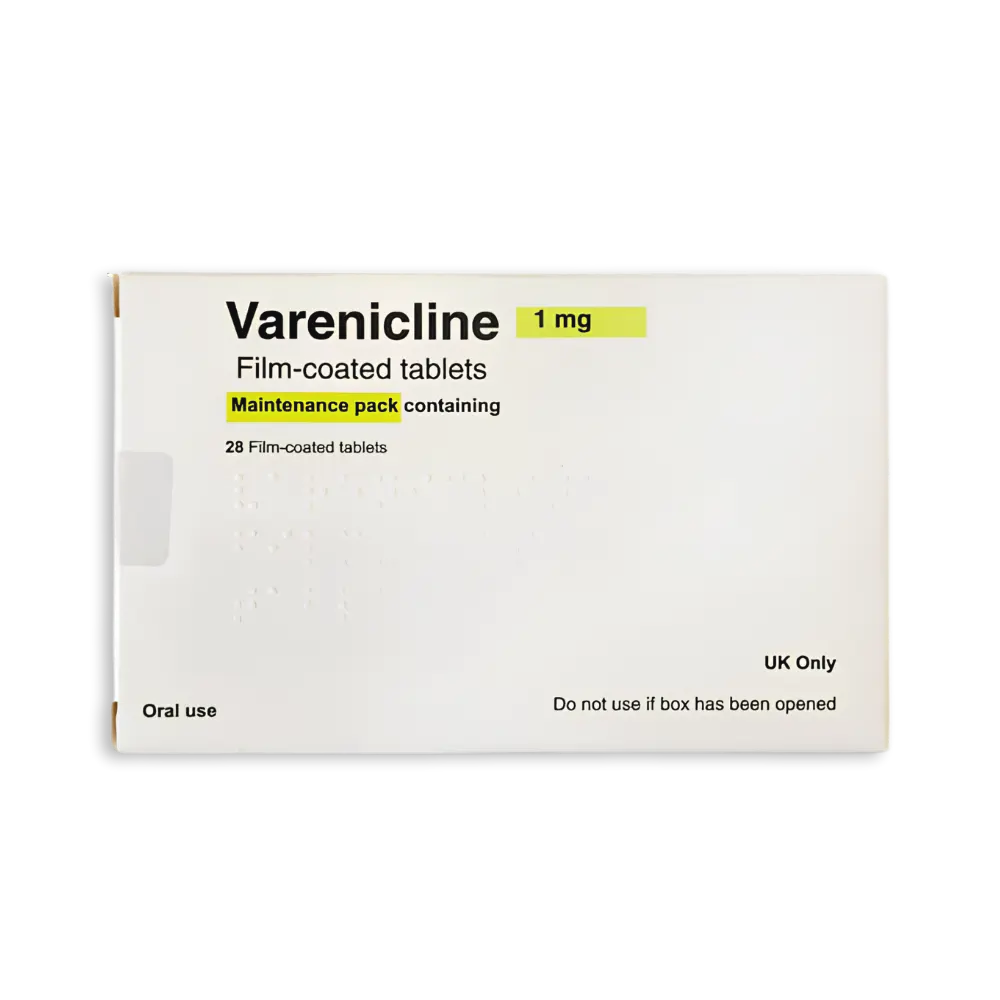
Stop Smoking
If you're looking to quit smoking, the Stop Smoking Service at Quick Meds can help
Start your Stop Smoking journey with us today for safe, discreet, and professional support every step of the way.
Stop Smoking treatments
Frequently Asked Questions
Everything you need to know
What Is the Most Effective Stop Smoking Method?+−
All stop smoking methods are equally effective when combined with local services and behavioural support. Using a combination of nicotine products can help deliver nicotine in line with your smoking habits - increasing your chances of quitting.
How Long Does Treatment Usually Last?+−
Treatment with medication, such as varenicline usually start a few weeks before your quit date and continue for a total of 12 weeks
Can I Use More Than One Treatment Type Together?+−
Yes, this is encouraged. Combining prescription treatments with nicotine products to limit nicotine withdrawal can help you quit smoking.
Are Stop Smoking Treatments Safe?+−
Whilst all treatments have the risk of side effects, the overall benefits of treatment outweigh the risks associated with long term smoking.
Will I Gain Weight When I Quit?+−
It is common for people to gain a small amount of weight after quitting smoking. This happens as your body's metabolism slows slight and cravings for food increases as the body adjusts to life without nicotine.
Can I Quit If I Have Long Term Health Conditions?+−
It is important to speak to a healthcare provider for appropriate treatment options suitable for you, based on your medical history. Quitting smoking for good is beneficial for all individuals, regardless of medical history, but it is important to do so in a safe way, with the right support.
What Are Stop Smoking Treatments?
Stop smoking treatments are products used to help you quit smoking. They work by reducing cravings and withdrawal symptoms.
Smoking is addictive because of the nicotine in tobacco smoke which creates a physical and psychological dependence. Nicotine triggers the release of 'feel-good' brain chemicals. Over time, the brain adapts to its presence. This is what makes it more challenging to stop smoking, requiring more than just willpower as you essentially need to rewire the brain to not depend on nicotine anymore.
When you stop smoking, the sudden drop in nicotine, leads to cravings and withdrawal symptoms such as feeling irritated, trouble concentrating, feeling restless, difficulty sleeping, Other symptoms include increased hunger, gaining weight, anxiety, depression and headaches.
Stop smoking treatments are designed to give you a smoke free life, and not to act as a replacement. Once your body and brain adjusts , you can gradually stop the treatment.
The most popular treatments include nicotine replacement therapy, medicines such as varenicline and bupropion (available on prescription) and behavioural support.
Why Stopping Smoking Matters for Your Health
Harmful chemicals contained in cigarette smoke can harm nearly every part of your body. It can affect the lungs, heart, circulation and overall health and remains one of the worlds preventable causes of poor health and premature death.
Benefits of stopping smoking reduces blood pressure to normal within just 20 minutes. Carbon monoxide (a poisonous gas released in tobacco smoke) levels reduce. Breathing problems resolve with lung function and circulation improving within 2 weeks. After a year of stopping, risk of heart attack or stroke reduces by half.
The benefits don't just stop at your inward health but also in your appearance and finances as well. If on average you spend £14 on a pack of cigarettes, over a year, you could save over £2,500.
Stop Smoking Treatment Options in the UK
Local Stop Smoking Services and Behavioural Support
Local stop smoking services offer low-cost support to help you quit smoking. These services offer personalised coaching, advice and regular check-ins to keep you motivated throughout your journey.
These services are developed by experts and ex-smokers and delivered by a trained stop smoking advisor. Your advisor can provide tailored advice, helping you select nicotine replacement products which suit your individual circumstances.
Regular meetings with an advisor can help as you would usually have your carbon monoxide levels checked. This can show exactly how quickly your health can improve. They can continue to offer advice starting a few weeks before your quit date and continue weekly after your last cigarette, helping you each step of the way.
Research shows when combined with behavioural support, stop smoking treatments are more likely to work.
Nicotine Replacement Therapy (NRT)
Nicotine replacement therapy remains amongst the most widely used stop smoking products. These products give your body lower amounts of nicotine but importantly, without the harmful chemicals found in cigarettes.
Available as patches, gum, lozenges, inhalers or mouth sprays, these products help you deal with nicotine withdrawal symptoms whilst you're quitting.
The most effective ways to use nicotine replacement therapy are to combine with each other or with other stop smoking treatments like varenicline or bupropion.
When solely using nicotine products, a combination of slow-acting and fast acting can lead to better results. This could be achieved by using nicotine patches, for a slow background release of nicotine throughout the day with fast acting lozenges or gum to handle cravings throughout the day.
Nicotine products can be considered by anyone who wants to quit smoking, whether you are a long term smoker, or have just started. They are particularly useful for those who have strong cravings, have difficulty stopping on their own or have failed in quitting successfully before. In any case, using the products alongside a behavioural support programme can increase the chances of quitting successfully
Prescription Stop Smoking Treatments
Apart from nicotine products, other stop smoking treatments include the medicines varenicline and bupropion. Both are only available on prescription and therefore require a consultation with a prescriber.
Here at Quick Meds, we supply varenicline only. This medicine works by acting on the receptors in the brain that nicotine normally attaches to. It supports quitting in two key ways:
Reduces cravings and withdrawal symptoms. As it partly activates nicotine receptors, it can reduce the urge to smoke whilst managing common withdrawal symptoms.
Blocks rewarding effect of nicotine. As varenicline occupies these receptors, if you were to smoke, the nicotine now cannot bind, making smoking less enjoyable.
Click here for information on varenicline and how it can help you.
E Cigarettes (Vapes) as a Stop Smoking Aid
Vaping involves using an E-cigarette to inhale vapour and not smoke. This vapour usually contains nicotine but none of the harmful chemicals found in tobacco smoke. This means vapes do not produce carbon monoxide or tar - the most harmful chemicals in tobacco smoke. Because of this, they are relatively much safer than smoking.
However, these E-cigarettes are not risk free. A relatively new innovation, vapes should only be used to help people stop smoking and should not be used by non smokers.
How To Choose the Right Stop Smoking Treatment
Choosing the right stop smoking treatment is a very personalised decision. This depends on how often you smoke and your smoking routine. I.e. do you smoke more during a certain type of day, or do you associate smoking with a social trigger such as going out?
Speaking with a healthcare provider or a local stop smoking service can help guide you to the right products that match your lifestyle.
In general, it’s helpful to combine a slow-acting NRT product with a fast-acting one. The combination you choose should match your individual needs. A patch can provide a steady release of nicotine throughout the day, while a fast-acting option such as a mouth spray can give quick relief during sudden cravings. If you find you miss the hand-to-mouth routine of smoking, an inhalator may also be a useful addition.
Other options include combining nicotine products with stop smoking medicines like varenicline. Research confirms combining these can lead to greater success rates.
What To Expect When You Quit Smoking
Understanding Withdrawal and Cravings
When you stop smoking, your body reacts to not having nicotine in its system, which it has become used to. This is called nicotine withdrawal and is the reason you may feel strong cravings to smoke. Cravings occur because your brain has learned to expect nicotine at certain times.
Stop smoking treatments such as nicotine replacement therapy work by reducing cravings in a same way, without the other chemicals associated with cigarette smoke. They provide support whilst your brain adjusts to life without nicotine and cigarettes.
Managing Challenges in the First Weeks
The first few weeks can be the hardest, as this is how long nicotine withdrawal symptoms usually last for. Some people may feel them for longer, sometimes even months. It is important to stick to your plan and persist with treatment.
Distracting yourself, through exercise, deep breathing exercises and keeping your mind busy can help you manage cravings. Also try to avoid triggers. If you associate a cigarette with your mid-morning cup of coffee, try staying away from coffee or from other smokers.
The cravings and bad feelings are temporarily. Stay focused by remembering why you chose to quit can help motivate you to keep going.
Health Benefits After Quitting
Within just 20 minutes of quitting, your blood pressure and heart rate return to normal. Within an hour, your body starts to get rid of tobacco toxins and within 8 hours, the amount of carbon monoxide and nicotine in your blood will have halved.
Over the next 2-3 days, your risk of heart disease starts to decrease, your taste and smell improves, your breathing will get easier and you will have more energy.
Over the course of a year, stopping smoking reduces heart disease risk by half of that as a smoker with risks of lung cancer Every smoke free day contributes to better overall health and wellbeing.
Stop Smoking With Quick Meds
How Quick Meds Supports Your Quit Journey
Quick Meds, as a GPhC-regulated pharmacy, can support your quit journey by working alongside you to offer tailored advice specific to your needs.
All orders for varenicline are placed online by completing an online questionnaire. The answers are reviewed by a clinician who can then offer advice alongside a tailored treatment plan, if eligible.
If a varenicline prescription is not clinically appropriate, we can offer advice on alternate treatments such as nicotine replacement therapy alongside support.
All orders are then packaged discreetly and sent through tracked postal methods to all UK based addresses.
Combining Online Treatment With Additional Support
Online stop smoking treatments can be more effective when combined with local stop smoking services or self-help strategies.
Evidence has proven using more than one support method increases the risk of successfully quitting.