Period Pain treatments
Showing 5 of 5
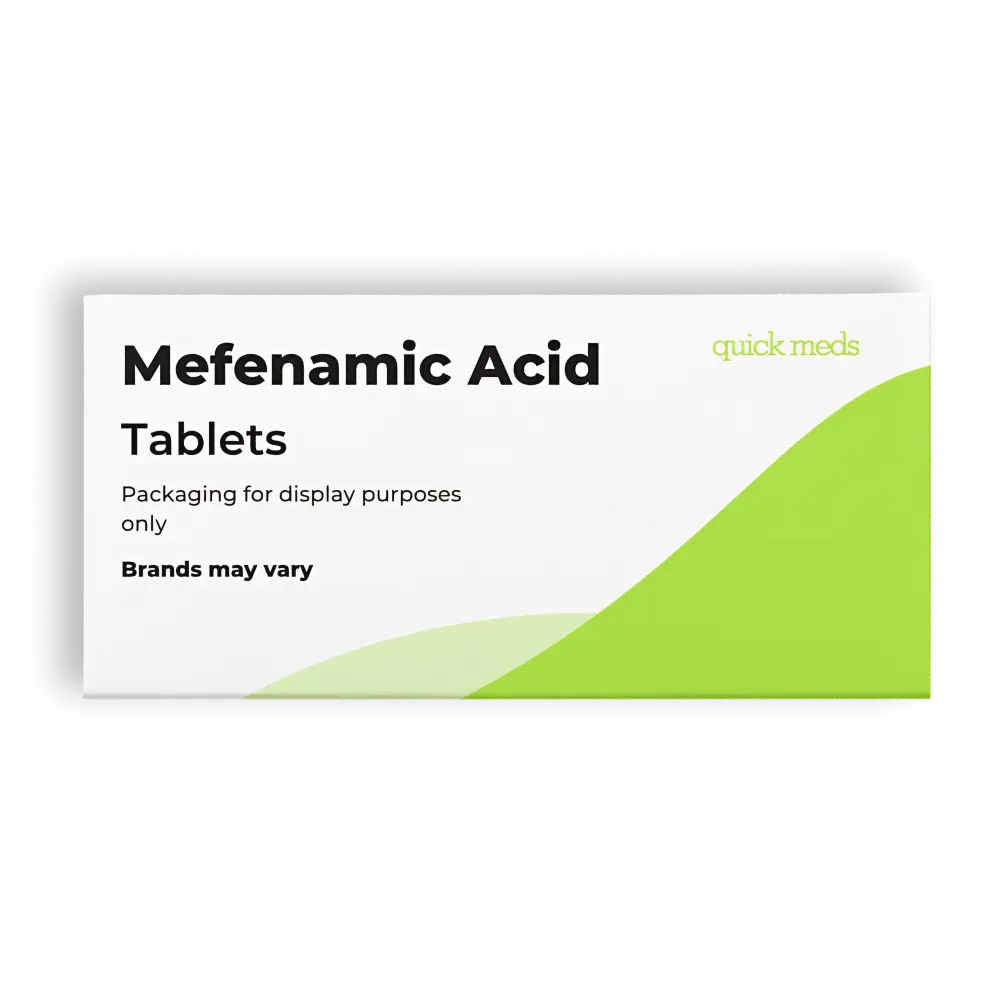
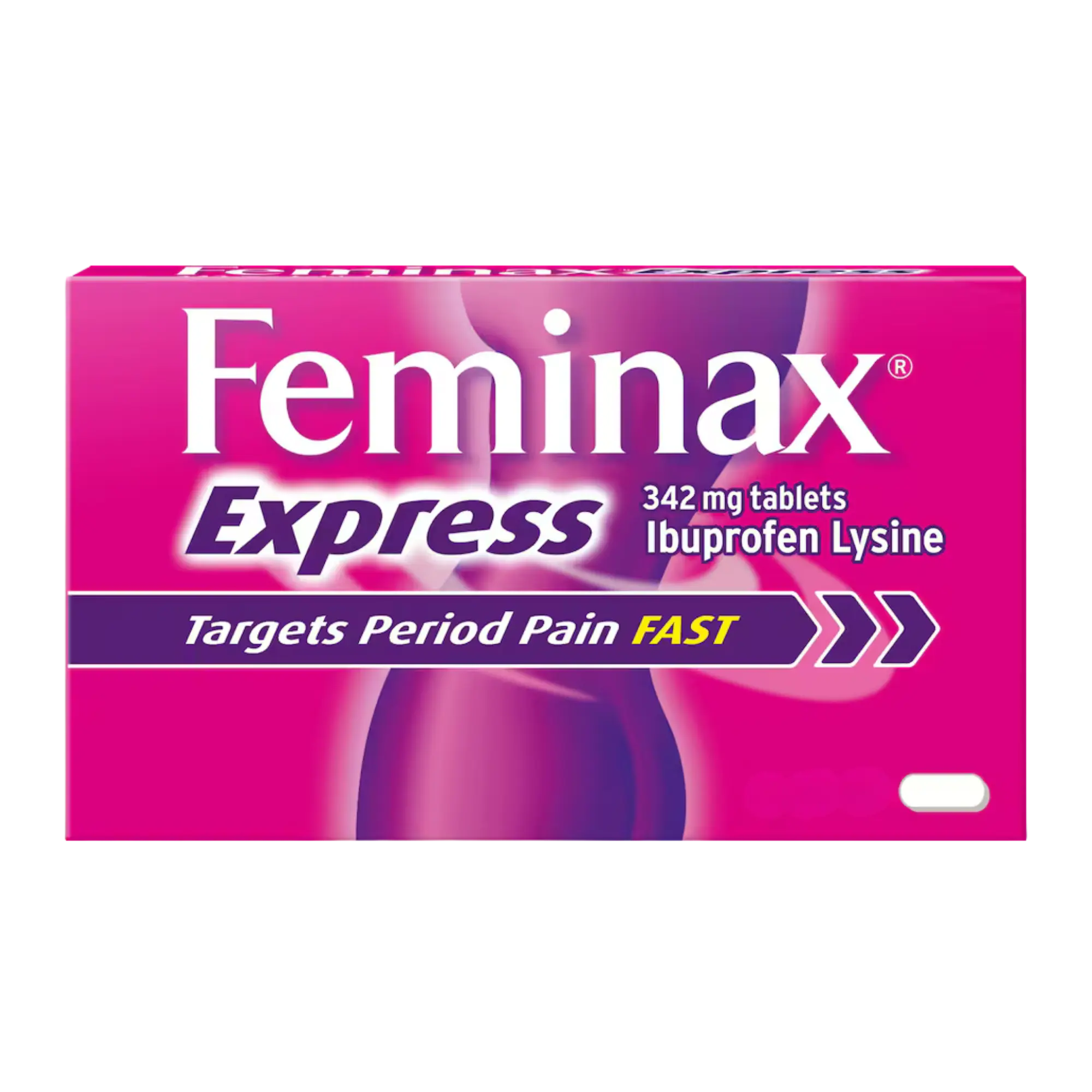
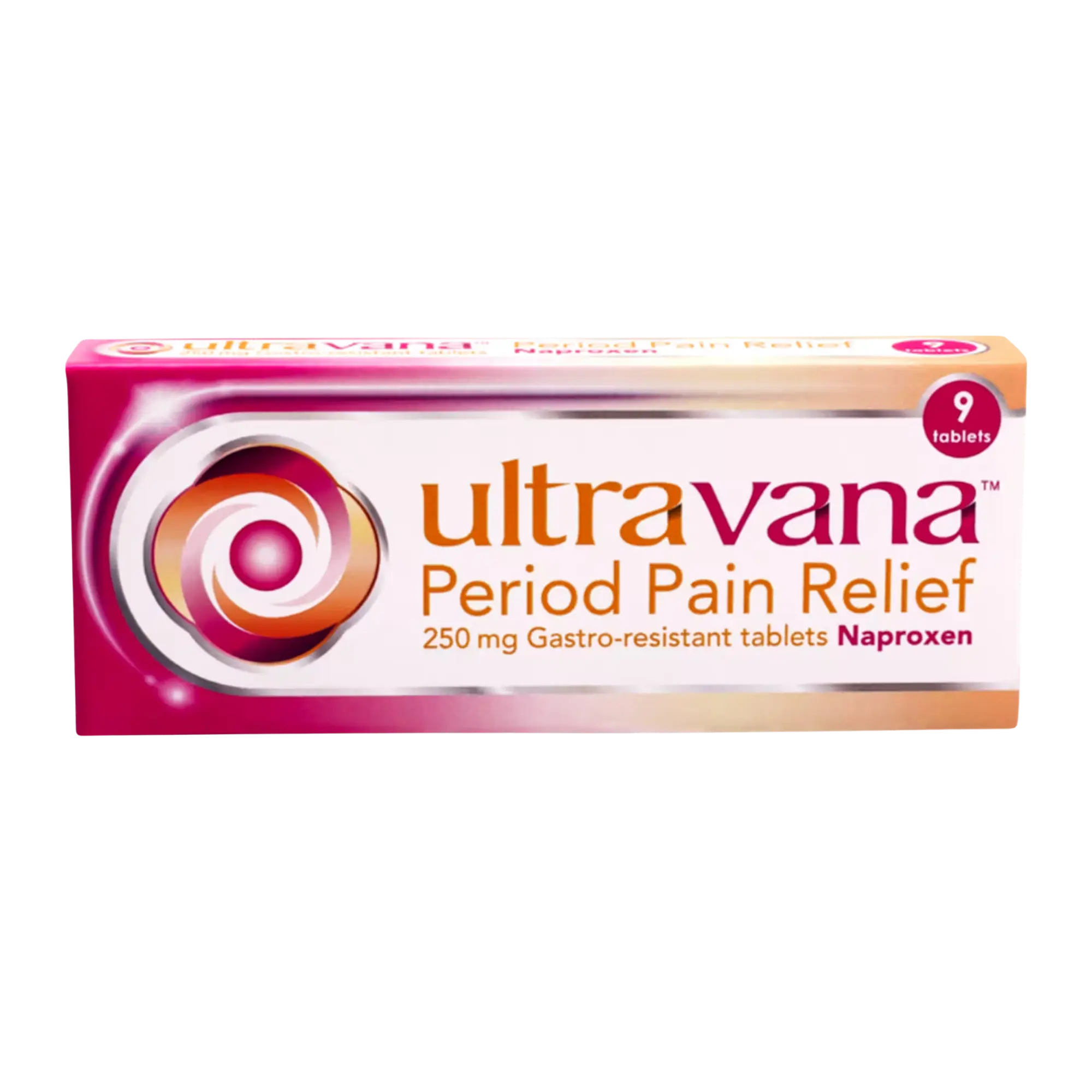
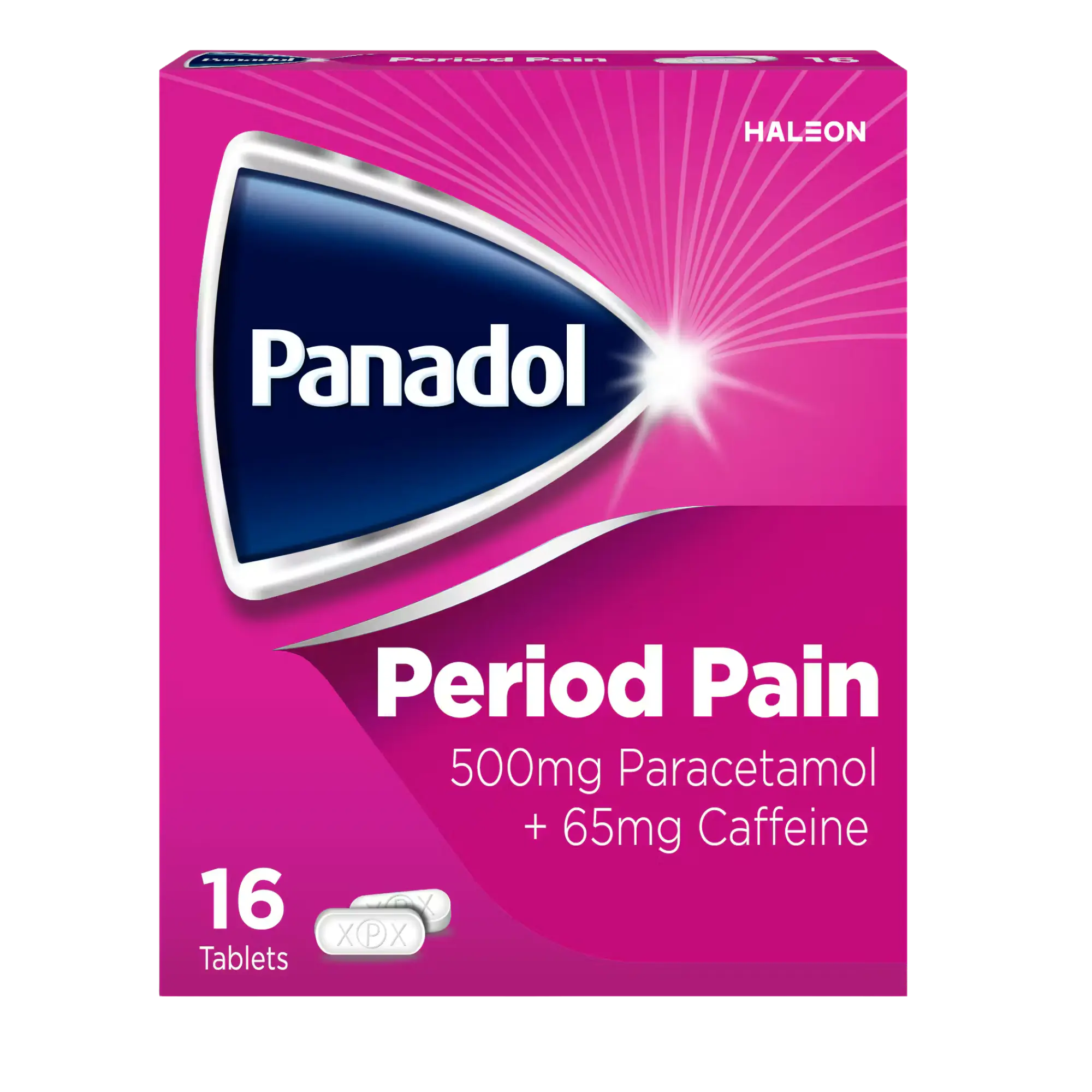
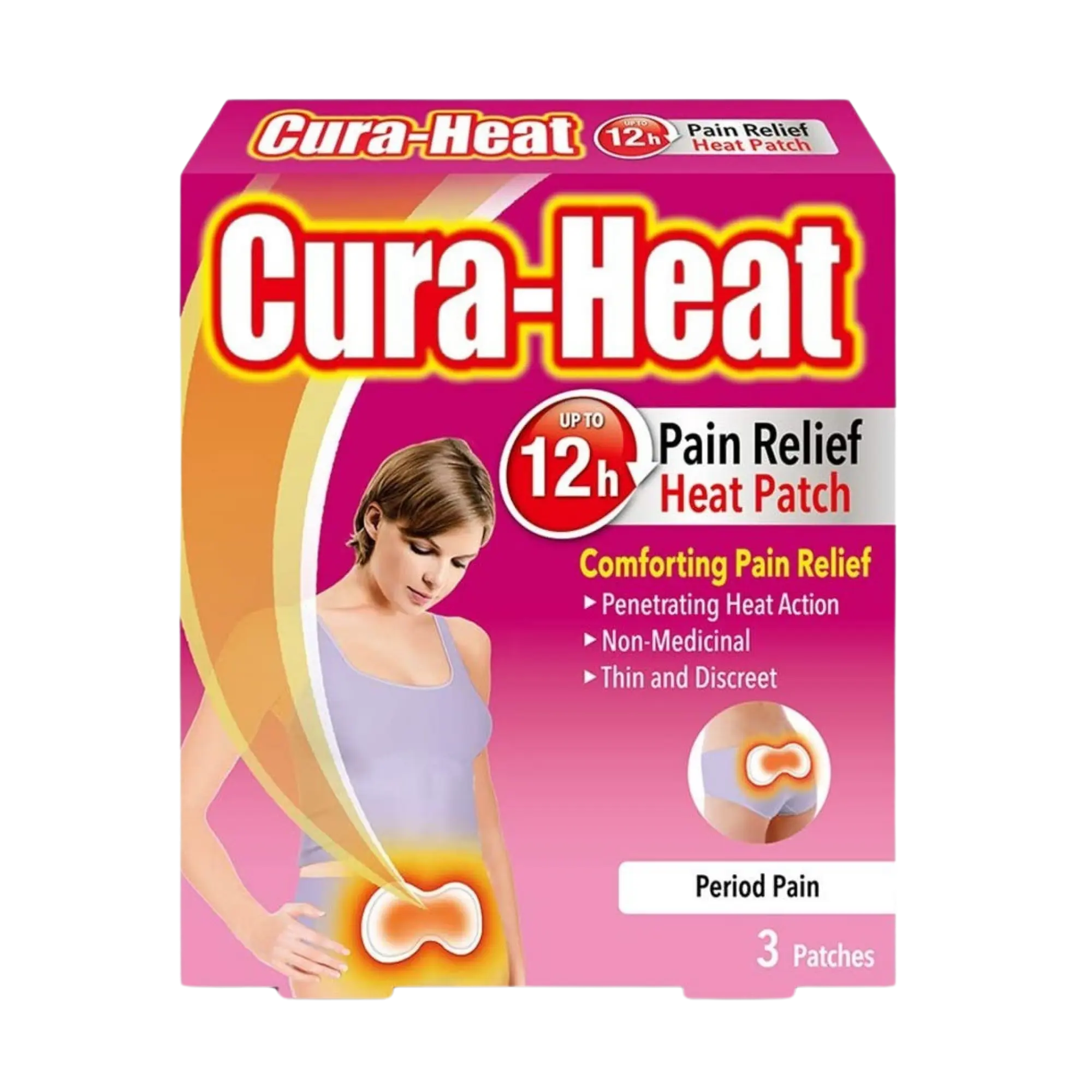
Period Pain
We offer clinically approved treatments to help you take control of your menstrual health and manage period pain. Our streamlined online consultation process ensures you receive personalised care tailored to your body's needs. Take control of your cycle today with our safe, discreet, and professional support every step of the way.
Start your Period Pain journey with us today for safe, discreet, and professional support every step of the way.
Frequently Asked Questions
Everything you need to know
What is the difference between primary and secondary dysmenorrhoea? +−
Primary dysmenorrhoea is common period pain without an underlying cause. Secondary dysmenorrhoea is a severe period pain caused by an underlying condition such as endometriosis or fibroids and lasts longer than typical cramps.
What home remedies relieve period pain fast? +−
Home remedies such as over-the-counter NSAIDS (Ibuprofen, naproxen) can help with the pain. Additionally, applying heat and avoiding trigger foods such as caffeine and alcohol can help.
Can I safely buy severe period pain treatment online?+−
Yes, clinics such as Quick Meds are GPhC-registered, offering licensed treatments tailored to your needs. For prescription treatments, this involves completing an online questionnaire which is then reviewed by a prescriber for safety.
When is severe pelvic pain a medical emergency?+−
When period pain is accompanied by a sudden sharp increase in pain which is different to normal, with either a high-fever, foul smelling discharge, dizziness or fainting, or accompanied by a pregnancy, you should seek immediate medical attention.
Period Pain treatments
What Is Period Pain
Period pain, sometimes called dysmenorrhoea refers to the painful cramps and throbbing that many women experience before or during their menstrual cycle. Whilst mild discomfort is normal, severe pain can affect and interfere with daily life, requiring medical treatment.
Period pain can be classified based on the cause into:
Primary dysmenorrhoea - period pain without an obvious cause.
Secondary dysmenorrhoea - period pain caused by an underlying health condition.
What Causes Period Pain
During a period, the body releases natural chemicals called prostaglandins. These signal the uterus to contract, helping to shed the uterus lining resulting in a period bleed.
Whilst for most, these contractions only cause mild discomfort from the tightening of the womb, some women find the higher prostaglandin levels lead to more severe menstrual cramps and period pain.
The most common form is primary dysmenorrhoea, where cramps come back every month, but aren’t caused by an underlying condition.
What Conditions Can Cause Severe Or Secondary Period Pain
When period pain is caused by an underlying condition, it is termed secondary dysmenorrhoea.
Common conditions which lead to secondary period pain include:
Endometriosis
Adenomyosis
Fibroids
Endometrial polyps
Pelvic inflammatory disease
Other conditions affecting reproductive organs.
Is Period Pain Normal - When Is It Not?
Period pain is normal, occurring as a result of the uterus contracting to shed its lining. The usual symptoms of a period include:
Abdominal cramps
Bloating
Fatigue
Headaches
Lower back pain
Diarrhoea/constipation
Symptoms of a period usually start 1-2 days before bleeding begins and improves on its own within 2-3 days. Whilst uncomfortable, symptoms of a period do not affect daily life, and women can carry on going to work, school or enjoying daily life.
If you experience any of the following symptoms, you should speak to a healthcare professional:
Severe pain, not relieved by medications, affecting daily life.
Long-lasting pain, which persists even after bleeding stops.
Pain during sex or bleeding after sex
Pain during physical activity
Heavy bleeding, through a pad/tampon or passing large blood clots.
Pain outside your period cycle
Fever and chills
What Does Period Pain Feel Like And Where Is It
Period pain feels different for everyone but usually occurs around the same regions of the body before and during the menstrual cycle.
The pain is either sharp and throbbing or a constant dull ache. It starts in the lower abdomen, just below the belly button (where the uterus contracts) and can move to the lower back or upper thighs.
Additionally, some women may also experience related symptoms, commonly referred to as the ‘period flu’ and include bloating, diarrhoea, nausea, loss of appetite, headache, dizziness or feeling more tired than usual.
How Can I Relieve Period Pain Fast At Home
Most cases of mild period pain can be relieved fast by various, tested methods.
Over-the-counter medication, such as ibuprofen, aspirin or naproxen are known as non-steroidal anti-inflammatory drugs (NSAIDs). These drugs reduce prostaglandin production helping to reduce pain.
Applying heat, using a hot water bottle heating pad or taking a warm bath has been studied in clinical trials. Whilst effective, more research is needed.
Massaging with essential oils. A study review in 2018 found massage with certain oils at specific pressure points may have benefits. Some oils that help include peppermint, lavender, rose and fennel.
Avoiding certain foods. Certain foods can cause bloating, amplifying symptoms. Main foods to avoid are fatty foods, alcohol, caffeine, salty foods and fizzy drinks.
Adding herbs to your diet. Herbs are an excellent way to incorporate the anti-inflammatory and antispasmodic (relieving cramps and spasms) properties that can help with symptoms. Chamomile tea, fennel seeds, cinnamon and ginger have all been studied for their effectiveness.
What treatment options are available
Whilst home remedies are great for managing mild symptoms, sometimes they’re not enough. Severe menstrual cramps and pain require medical treatments to effectively target the pain.
Over the counter medication
Medications available over the counter such as ibuprofen, naproxen or paracetamol are first-line treatments, which are easily accessible from pharmacies and supermarkets.
NSAIDs, such as naproxen or ibuprofen are anti-inflammatory, whilst also reducing prostaglandins, helping with symptoms
Paracetamol is an effective painkiller though it is less effective for cramps as it does not target inflammation.
Prescription treatments
Prescription treatments are reserved for when over-the-counter options fail to offer satisfactory relief. A healthcare professional can prescribe treatments such as:
Prescription strength NSAIDS, such as mefenamic acid or higher strength naproxen, which are licensed to treat severe menstrual cramps.
Hormonal contraceptives, which thin the uterus lining. This reduces the need for prostaglandins to shed the lining in the first place.
Can I Get Treatment For Period Pain Online
Yes, prescription treatments are available from online clinics such as Quick Meds. Our online platform offers convenient access where there is no need for an appointment. Simply fill out an online consultation, which will ask about your symptoms, medical history and if you take any other medication.
Orders are placed online and reviewed in house by our GPhC-registered prescribers. Once approved, orders are packaged in plain, discreet packaging and shipped directly to your door with next day delivery options available.
Not all patients are suitable for treatment from an online clinic. Where there is an underlying cause such as endometriosis or fibroids, you may be referred to your GP for ultrasound scans and a physical examination.
When Should I See A Pharmacist Or Doctor
It's important to know when to move from home remedies to professional medical advice. Whilst mild cramps are normal, severe pain usually signals an underlying medical condition requiring specific treatment.
When To See A Pharmacist
A pharmacist can help with immediate accessible relief from symptoms of moderate, typical period pain. Here at Quick Meds, our pharmacists are trained to the highest standard, offering tailored advice to help your needs.
A pharmacist is suitable for when over-the-counter medications have failed to provide adequate relief and are looking for something that targets the symptoms more directly.
When To See A Doctor
You should speak to your doctor if the pain is unusual, severe or affecting your quality of life.
Schedule a GP appointment if:
Pain is debilitating, affecting work, school or daily life
Home remedies or pharmacy treatments have failed
You experience pain in-between periods
You think you might have an underlying condition.
You should seek immediate medical attention if period pain is accompanied by:
A sudden, sharp pelvic pain that feels different to your usual cramps
A high fever, chills or foul-smelling vaginal discharge. This could indicate an infection
Dizziness, fainting or weakness
Heavy bleeding that soaks through one or more pads
Possibility of pregnancy combined with severe pain in one side.