Jet lag treatments
Showing 1 of 1
Jet lag
Request jet lag treatment that can help reduce the symptoms of jet lag while travelling abroad
Start your Jet lag journey with us today for safe, discreet, and professional support every step of the way.
Jet lag treatments
Frequently Asked Questions
Everything you need to know
How Long Does Jet Lag Last?+−
Most individuals do recover from jet lag after a few days. Travelling east over several time zones may take longer to adjust to than when travelling west.
What Makes Jet Lag Worse?+−
Jet lag can be intensified by:
Eastward travel
Crossing many time zones
Lack of sleep before or during travel
Dehydration
Alcohol or caffeine consumption during travel
Stress, irregular sleep patterns, or long flights
Can Melatonin Help With Jet Lag?+−
Yes, melatonin can help shift the circadian rhythm and improve your sleep when taken at bed time in your new time zone.
Always read the patient information leaflet.
How Can I Reset My Sleep After a Long Flight?+−
You can speed up realignment of your sleep by doing the following:
Expose yourself to morning and daytime light
Sleep and wake up at the correct time in your destination
Avoid long daytime naps - keep them under 20-30 minutes
Stay hydrated
Consider melatonin tablets if appropriate
Is Jet Lag Dangerous?+−
Jet lag is not usually dangerous but can:
Impair alertness, reaction time and decision-making
Increase risk of errors such as when driving
Worsen certain existing medical conditions
Should I Avoid Caffeine or Alcohol When Travelling?+−
It is best to limit both, although small amounts are fine.
Caffeine may worsen difficulty falling asleep and fragment sleep. Alcohol can dehydrate you, and disrupt sleep quality which can worsen jet lag.
Can I Use Melatonin If I Have a Medical Condition?+−
There are certain medication that may interact with melatonin. If you wish to take melatonin tablets, fill out our online consultation form. A clinician will then review this for safety.
If you wish to speak with a clinician before ordering online, you can give us a call on 0121 628 5318.
What Is Jet Lag?
Jet lag is a temporary sleep and rhythm disturbance that occurs when you travel across time zones. It happens when your body's internal clock gets out of sync with the time at your new location. Your body clock slowly adjusts to the new destination which is why you may feel tired or struggle with sleep.
Other common symptoms include:
Tiredness
Disturbed sleep
Difficulty concentrating
Digestive changes
Some travellers may have difficulty getting to sleep or may wake up during night hours. This can make the first few days at your new location challenging.
What Causes Jet Lag?
Jet lag occurs when your internal circadian rhythm (your body's biological clock) becomes misaligned with the local time at your travel destination.
Your circadian rhythm is a 24-hour cycle which is regulated by the brain's suprachiasmatic nucleus (SCN) in response to cues like darkness and light. This influences your sleep-wake cycle, body temperature, hormone release, digestion and alertness.
When you travel across multiple time zones, your internal clock is still synced to your departure destination. This creates a mismatch between your body's schedule and local time leading to difficulty sleeping or waking up at the desired time.
Travelling east will require you to sleep earlier, which is harder for most people. Travelling west means delaying sleep which aligns easier with your circadian rhythm.
Factors that can worsen jet lag include:
Dehydration
Excessive alcohol or caffeine
Lack of rest before travel
Long distances (long flights)
Irregular sleep patterns
Jet Lag Symptoms
The main symptoms of jet lag are:
Difficulty sleeping at bedtime and waking up in the morning
Tiredness and exhaustion
Poor sleep quality
Daytime sleepiness and irritability
Concentration and memory problems
Jet lag may sometimes cause indigestion, nausea, constipation, changes in appetite and mild anxiety.
The symptoms of jet lag may vary depending on how many time zones you have crossed. These can improve within a few days as the body re-adjusts.
Jet Lag Treatment Options
Behavioural and Light Based Strategies
Here are some strategies you can use to help with jet lag:
Adjusting your bed time and wake time before travelling abroad - If you are travelling east, shift your bed time and wake time earlier a few days before your departure. If you are travelling west, shift your bedtime and wake time later to better match your destinations rhythm.
Using natural daylight exposure at your destination - Light is the most powerful cue for resetting the circadian rhythm and will help to reduce jet lag symptoms. Exposure to daylight at the right time will shift the internal body clock.
Stay awake until bed time - staying awake until the local bedtime will retrain your circadian rhythm faster.
Avoid long naps during the first days - Long naps may interfere with your ability to sleep at night. Short naps can be less disruptive.
Melatonin for Jet Lag
Melatonin is a naturally occurring hormone which helps to control how and when you sleep. Melatonin levels rise at night then fall to normal levels during the day.
Melatonin tablets, containing a synthetic form of this hormone are a prescription-only medicine in the UK. This means you must be prescribed the treatment following a consultation with a prescriber. If you are having trouble sleeping but do not suffer with jet lag symptoms, please see your GP or healthcare professional.
For more information on melatonin, please see our melatonin page and read the patient information leaflet.
Short Term Sleep Support and General Measures
Some individuals may use short term sleep aids such as sleeping tablets during the first few nights after travel. These should considered as a possible tool and should not replace the behavioural and light-based strategies as mentioned above.
If you take any other medicines, it is important you seek advise from a healthcare professional before taking medicine for jet lag.
Lifestyle and In Flight Strategies
Based on guidance from health authorities and sleep experts, the following practices can help to reduce the severity of jet lag and improve comfort during flights:
Hydration through the flight - Drink plenty of water. The air in the cabin can be very dry, which contributes to dehydration, fatigue and may worsen symptoms of jet lag.
Avoid excessive alcohol and caffeinated drinks - Both of these can disrupt the quality of sleep and dehydrate you, making it harder to adjust to the different time zone.
Light stretching or short walks during extended flights - gentle stretching or walking can help circulation which may ease jet lag symptoms.
Using tools to improve in-flight rest - You may want to use eye masks, ear plugs and comfortable clothing during the flight to help you rest more easily. A dark, quiet and comfortable environment can help you get a good night's sleep.
How To Reduce Jet Lag Before, During and After Travel
Before Travel
Tips to help reduce jet lag before you travel:
Try to start your trip well rested
Gradually shift your sleep schedule so it begins to reflect your destination bed time
Aim to choose flight times that align with arrival during daytime where possible
During the Flight
Tips to implement during the flight:
Drink plenty of water
Avoid heavy meals late in the flight
Keep active by stretching and regularly walking around the cabin
Use sleep aids like neck pillows or masks if appropriate
Try to sleep if it is bedtime at your destination
Do not drink too much alcohol or caffeine as this can make jet lag worse
After Arriving
Tips to use after you have arrived at your destination to prevent jet lag:
Change your bedtime schedule to your new time zone as quickly as possible
Eat your meals when the locals do
Set an alarm to avoid oversleeping in the morning
Avoid long day time naps
Go outside during the morning and day - the natural light will help your body clock to adjust
Engage in light activity to stay awake until the local bedtime
Choosing the Right Jet Lag Treatment
The more time zones you cross, the more likely you are to benefit from jet lag treatment. Melatonin has been found to be very effective in treating jet lag.
Travelling east can have a larger impact to your sleep schedule. This is due to having to sleep earlier and therefore advancing your body clock.
Age can also play a part in how well you adjust. Older adults may adjust slower but there is also evidence that younger adults may find it more difficult.
Lifestyle factors such as your normal sleep pattern pre-travel, your stress levels, alcohol and caffeine intake and how much natural light you are exposed to influence how strongly jet lag affects you and how well treatments may work.
Melatonin can help to support your sleep cycle if affected by travel. If you are unsure whether this treatment is suitable for you, you can speak to one of our clinicians here at Quick Meds.
Jet Lag Treatment With Quick Meds
How Quick Meds Supports Your Trip
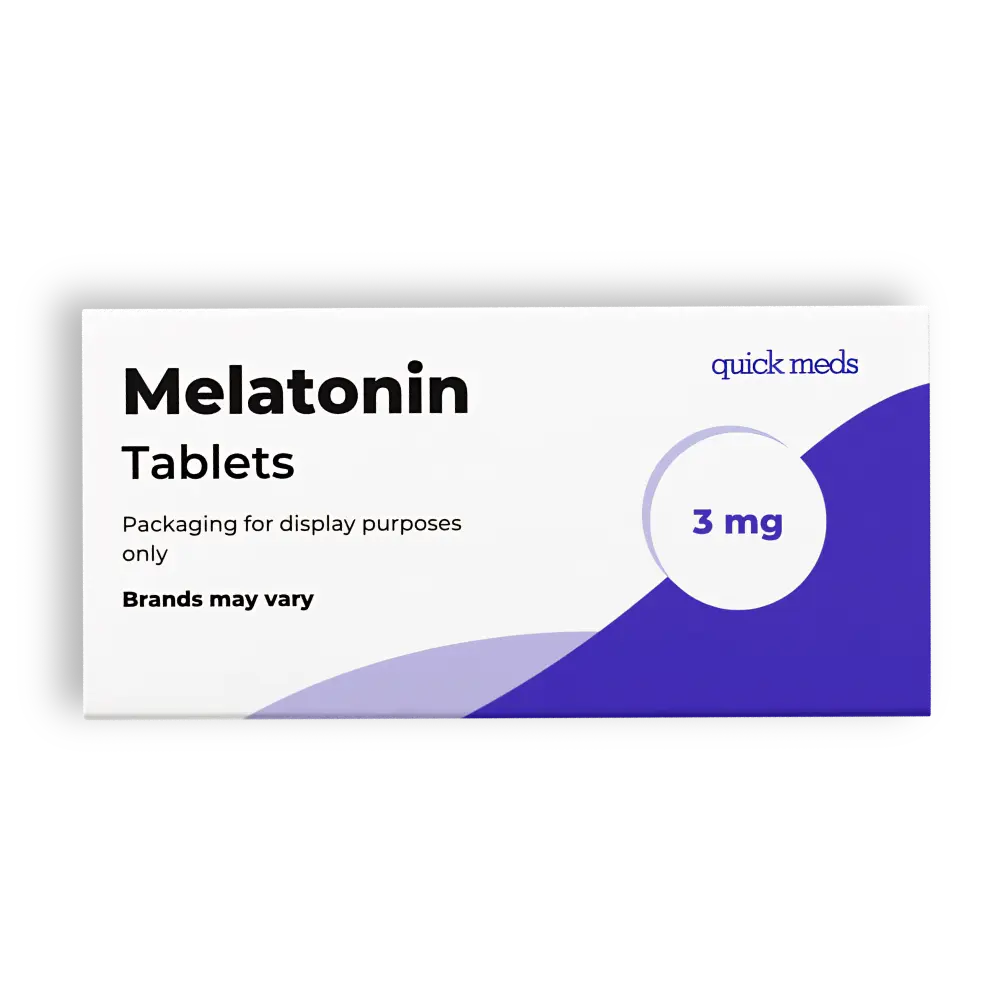
Here at Quick Meds we can support you with jet lag treatment. We offer melatonin tablets which can aid you to adjust to your new time zone.
Select Jet lag treatment and fill out the online questionnaire. A clinician will then review your medical information and safely supply medication if appropriate.
If you are having trouble sleeping and are not experiencing jet lag, please see your GP or healthcare professional.
Why Choose Quick Meds
Quick Meds is a UK-regulated online pharmacy who provide a brilliant service alongside very fast delivery. A team of qualified prescribers is always on hand to answer any questions or concerns you may have. We thoroughly follow GPhC and MHRA guidelines and prescribe safely and suitably.
We are committed to providing quality care for all of our patients and have strict date protection in place. Your safety is our top priority and we can ensure you will have a great experience with Quick Meds.
Jet lag treatment is easy to access and we offer discreet and reliable delivery to ensure your medication is with you before you travel.
Practical Tips for Managing Jet Lag Successfully
Jet lag can be unavoidable but there are some tips which may help you to manage your jet lag successfully:
Plan your sleep time around your new destination - if you are arriving at night, you may want to avoid sleeping on the plane journey
Expose yourself to the morning light
Avoid heavy evening meals
Keep hydrated and maintain gentle activity