Fungal Nail Infection treatments
Showing 11 of 11
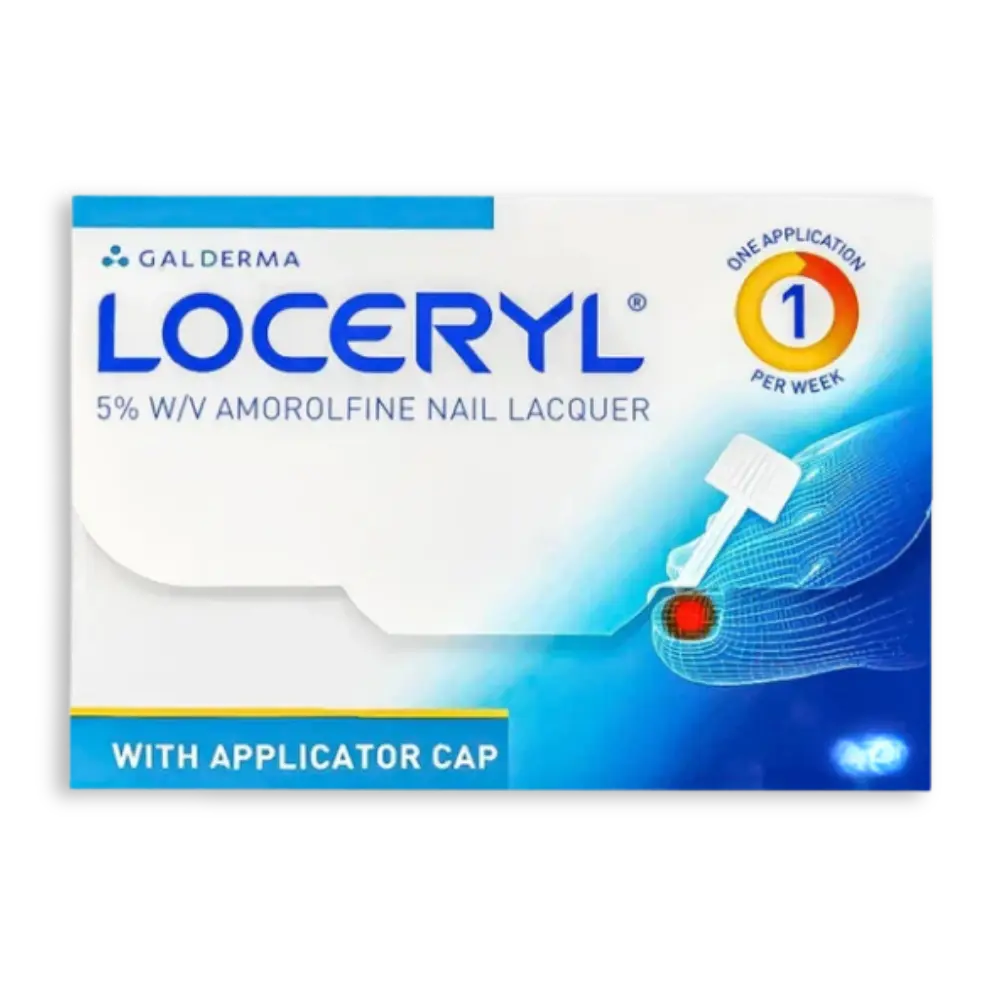
Loceryl Nail Lacquer
£25.99
Amorolfine Nail Lacquer
£14.99
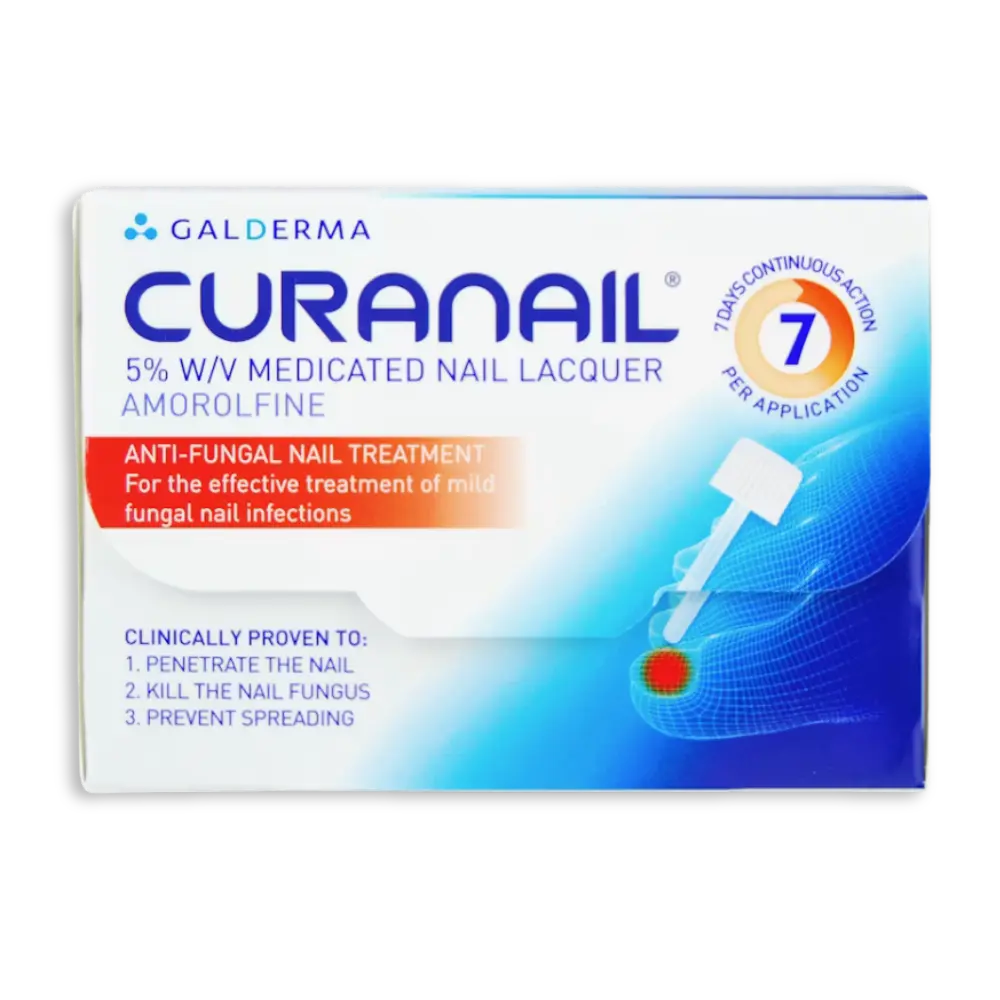
Curanail
£23.99
Amorolfine Nail Lacquer
£24.99
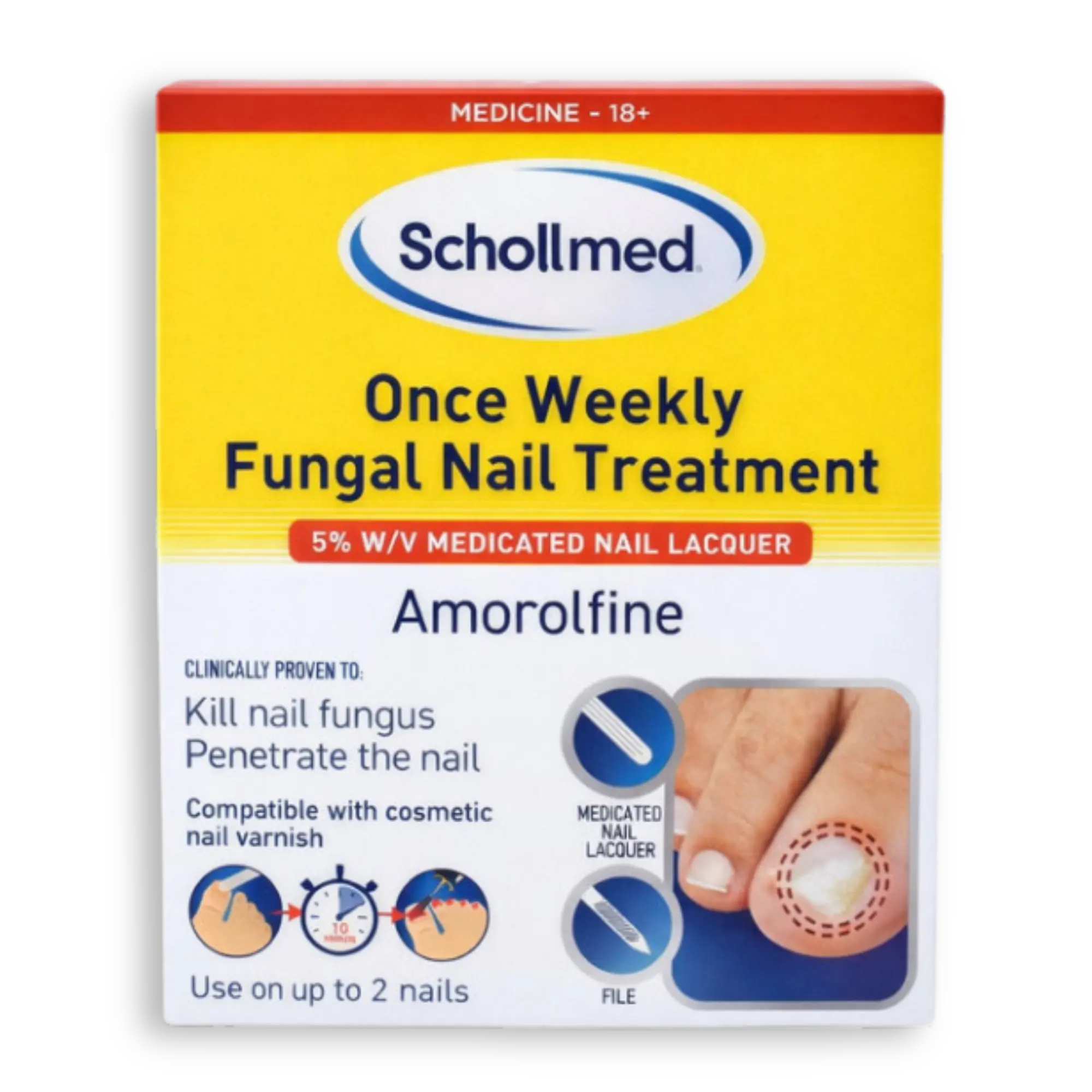
Schollmed Fungal Nail Treatment
£30.50
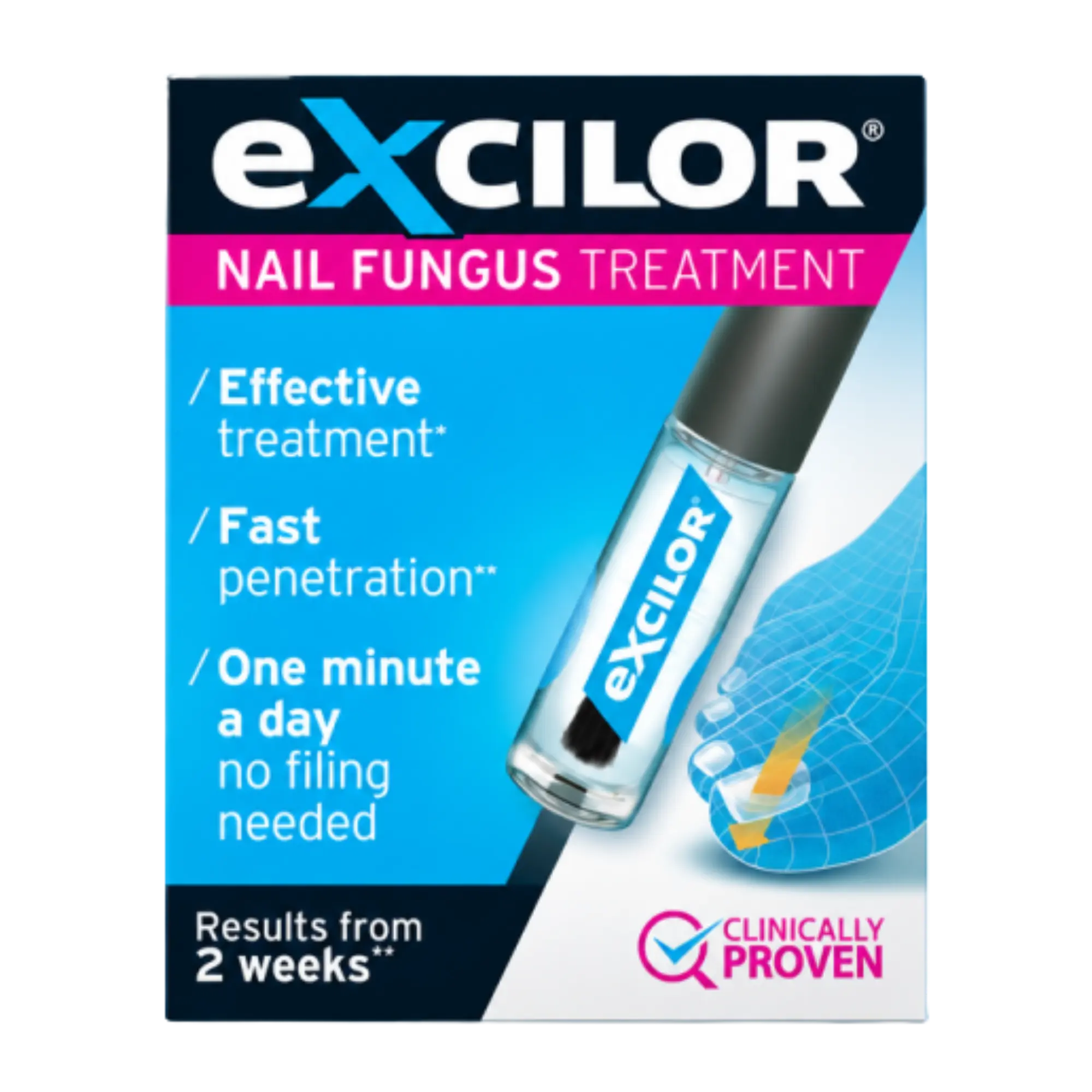
Excilor Solution
£21.99
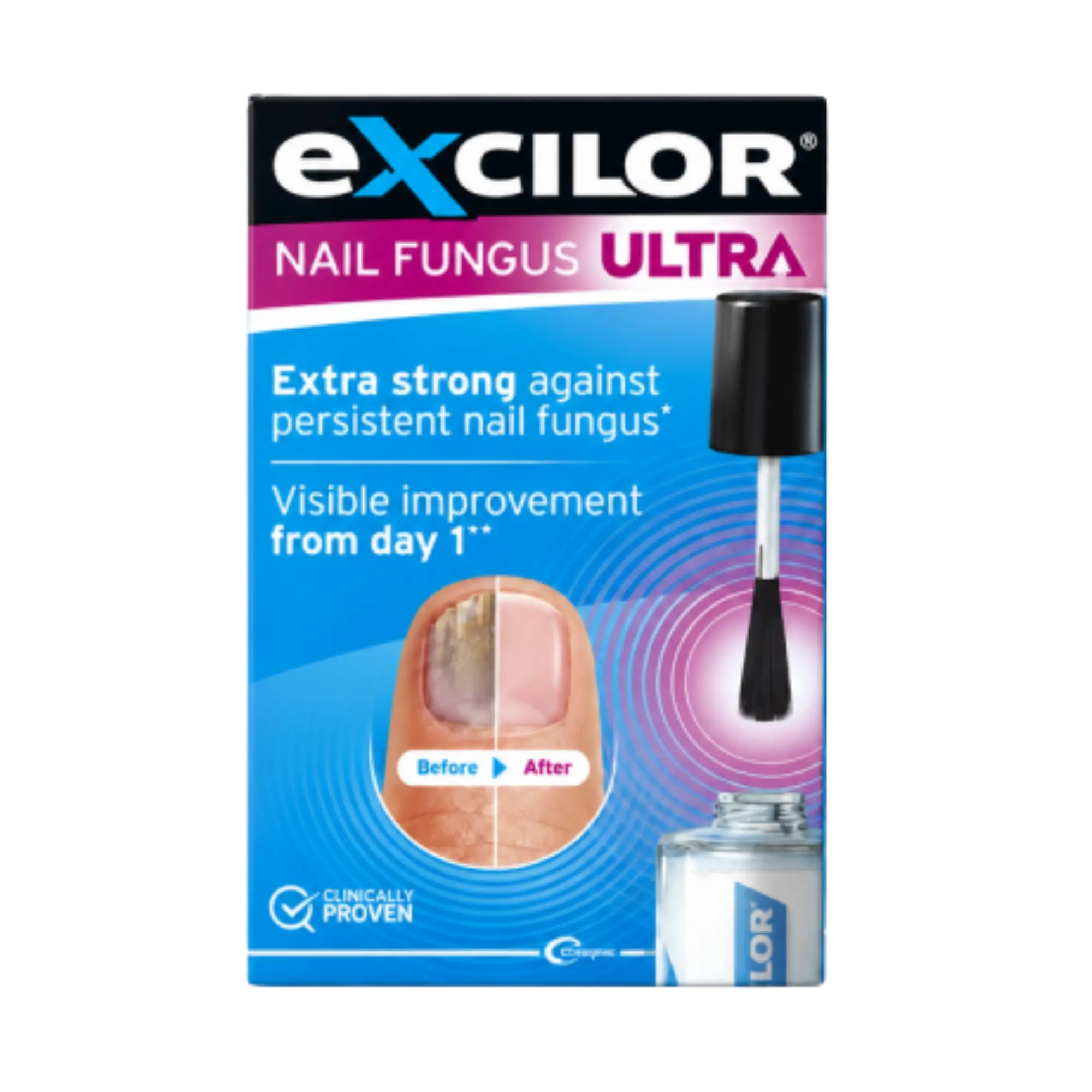
Excilor ULTRA
£35.99
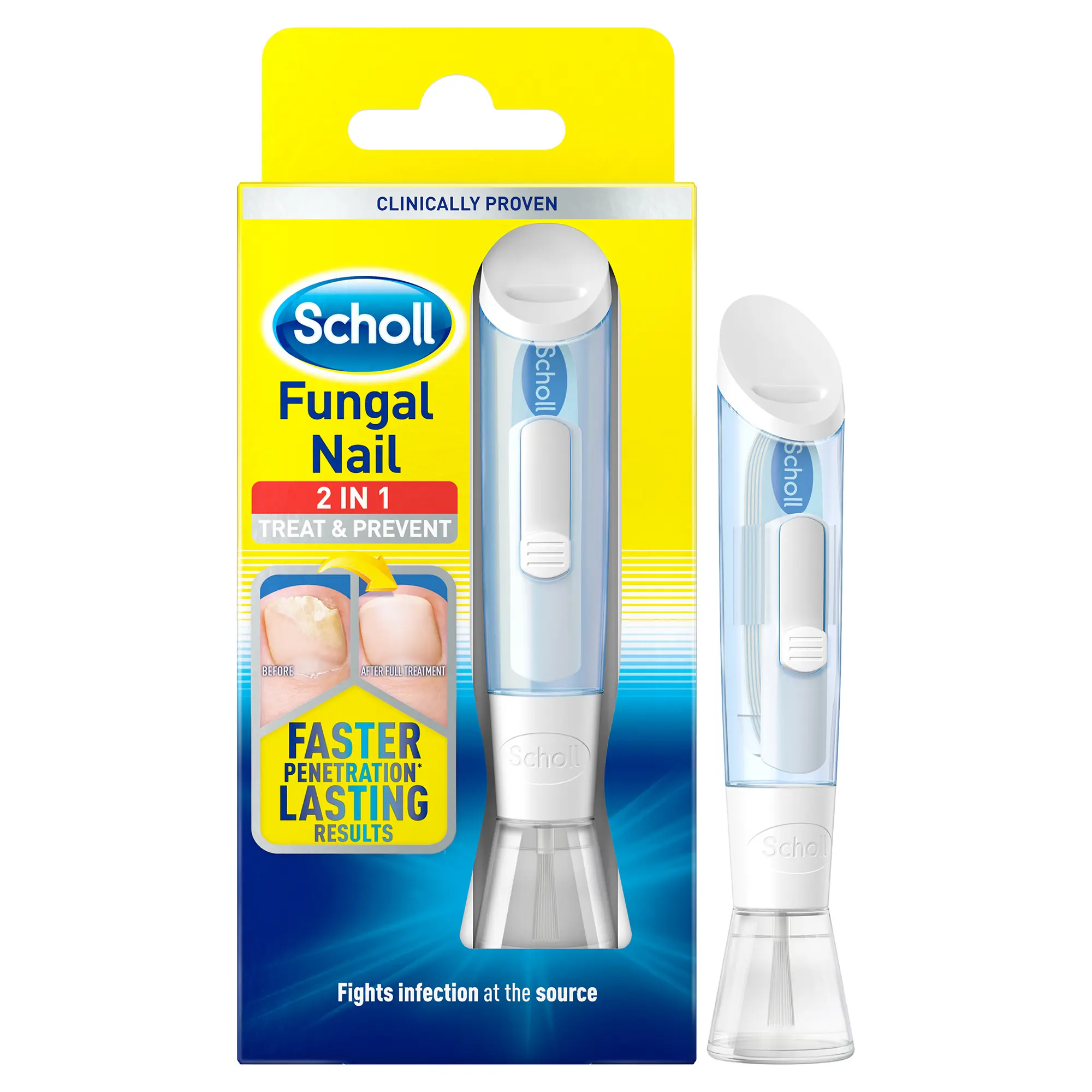
Dr Scholl Fungal Nail Treatment
£21.50
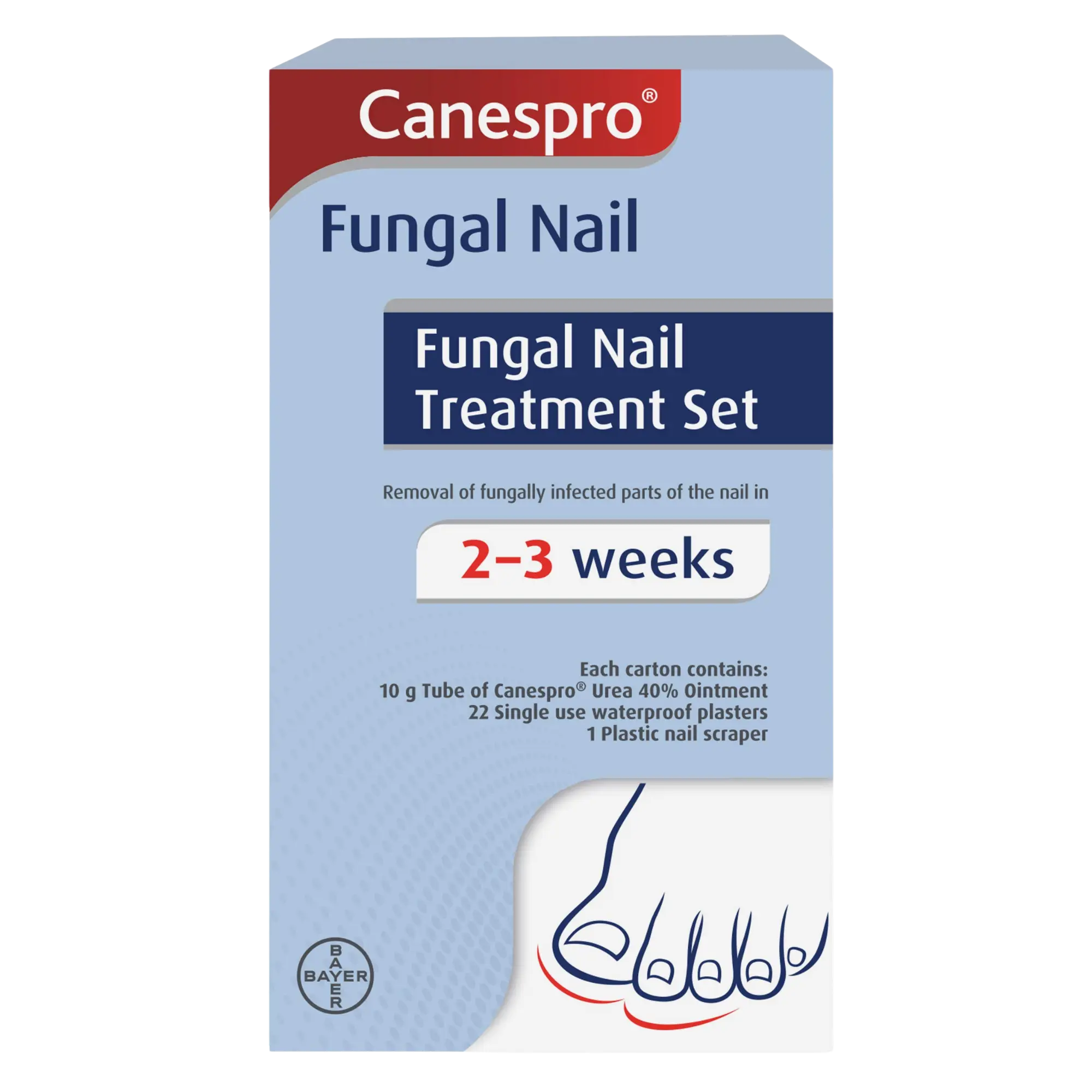
CanesPro Fungal Nail Treatment
£36.99
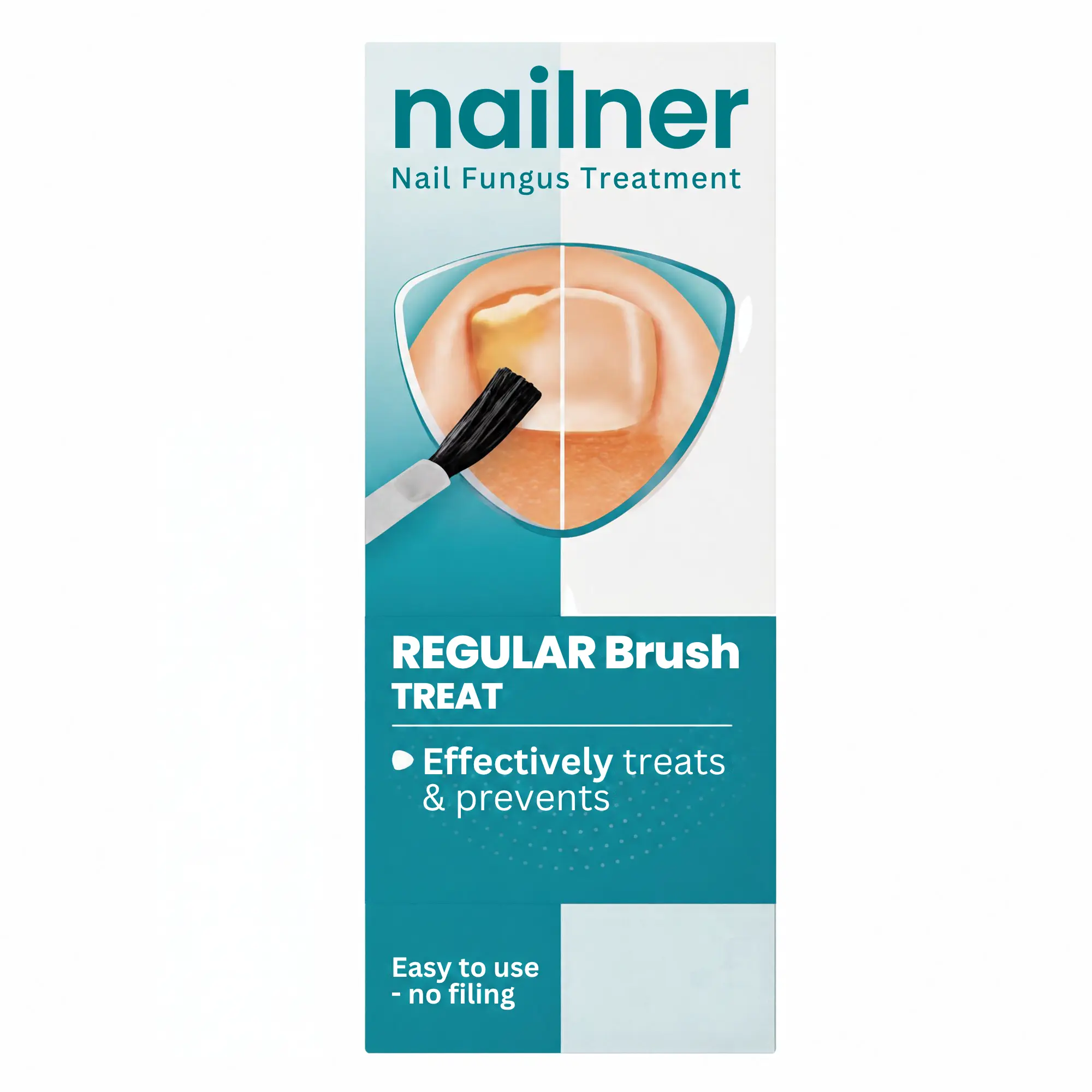
Nailner Regular Brush
£23.99
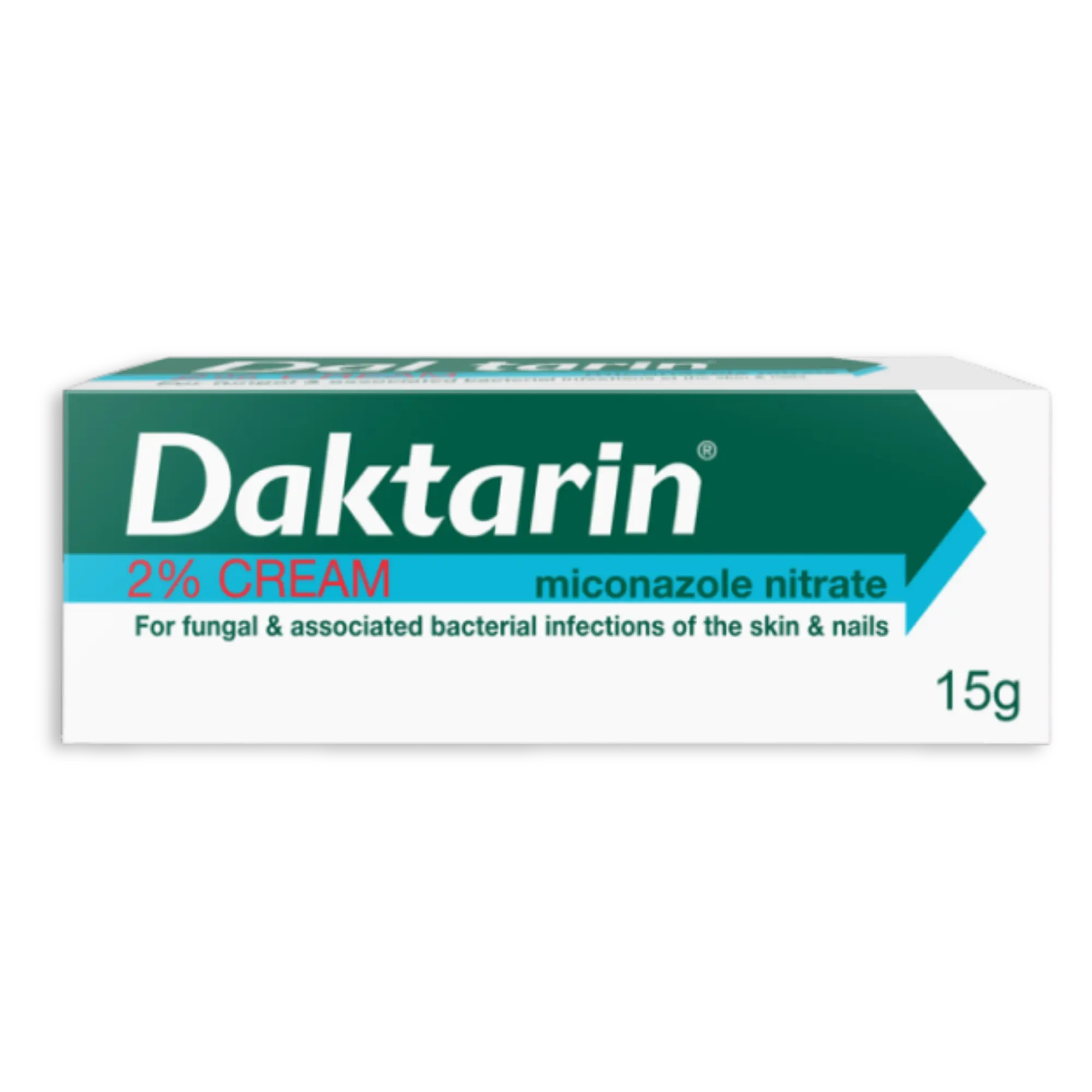
Daktarin (Miconazole) Cream
£6.21
Fungal Nail Infection treatments
Showing 11 of 11
Frequently Asked Questions
Everything you need to know
How do you get rid of a fungal nail infection?+−
Getting rid of a fungal nail infection requires persistent treatment using antifungals.
Mild-to-moderate infections can be managed with over-the-counter amorolfine - a nail lacquer applied directly to the nail. For severe infections, oral antifungal tablets are usually required to systemically clear the fungus.
What is the fastest way to cure toenail fungus?+−
The fastest way to clear the infection is to ensure you start the most appropriate treatment right away.
However, with fungal nail infections, a full cure takes as long as it takes for the toenail to completely grow out. For toenails, this is typically 9-12 months.
Can a fungal nail infection clear up on its own?+−
No. Fungal nail infections do not clear up on their own. The immune system cannot easily reach the dense nail plate to fight off the infection, therefore external treatment is needed.
Is a fungal nail infection contagious?+−
Yes, fungal nail infections are highly contagious. The fungal spores can easily spread through direct contact or through shared surfaces like bathroom or gym floors. It can also spread across the same body - untreated athletes foot frequently spread to toenails.
Can I buy fungal nail treatment over the counter in the UK?+−
Yes, amorolfine nail lacquer can be purchased over the counter at UK pharmacies.
What kills toenail fungus permanently?+−
To permanently eliminate toenail fungus, the key is to practice good hygiene. Treat shoes with antifungal sprays, opting for cotton, breathable socks and never walking barefoot in communal areas such as gyms or hotel showers.
Is toenail fungus dangerous?+−
For most healthy people, toenail fungus is not dangerous, even though it causes significant pain and embarrassment.
For those who are diabetic, or immunocompromised however, minor nail damage can lead to severe secondary foot infections, poor wound healing and serious complications like foot ulcers.
What happens if a fungal nail infection is left untreated?+−
Left untreated, a fungal nail infection will progressively get worse. The nail can thicken, get brittle and grow misshapen. Eventually, the nail may lift entirely or crumble away.


Fungal Nail Infection: Causes, Treatment & When to See a Pharmacist
If your nails are looking discoloured, thick or starting to crumble, you aren’t alone. Fungal nail infections, known medically as onychomycosis, are common, affecting up to 1 in 4 people in the UK.
What is a fungal nail infection?
A fungal nail infection is when fungi get under the nail, damaging it, making it thicken, crumble or damage it entirely.
These infections are more common on toenails and in:
Older people
Those with diabetes
People with poor blood circulation in hands and feet - peripheral arterial disease
People with weak immune systems.
What does a fungal nail infection look like?
A fungal nail infection usually starts at the end of the nail and grows towards the base (the nail matrix). It can also start at the side of the nail.
Early signs of an infection include:
Colour changes - part of the nail may turn yellow, white or brown
Thickened nails - which grow slowly
Crumbly or split tips
What causes it - and why do toenails get it more than fingernails?
Most fungal nail infections are caused by dermatophytes - a type of mould fungus that also causes athletes foot.
Less commonly the infections may be caused by yeasts like Candida. These yeast infections are more likely to affect fingernails.
Toenails are seven times more likely to be infected than fingernails due to the enclosed environment of shoes.
Other factors which increase the risk of a fungal nail infection are:
Warm, moist environments. Sweaty socks and tight shoes provide the optimum environment for fungi to breed.
Slower blood flow - toes are furthest from the heart. Blood flow to feet is naturally slower, leading to a longer time for the immune system to recognise and fight an infection here.
Repeated injuries - trauma from walking, running or tight shoes creates entry points between the nail and nail bed.
Could it be something else? (fungus vs psoriasis vs trauma vs bacterial)
A fungal infection is not the only thing that can change nail appearance. It is quite common to misdiagnose, leading to the incorrect treatment being used for months.
Condition | Signs |
|---|---|
Fungal Infection | Starts at the nail tip Nail turns yellow/brown Produces thick, chalky, crumbly debris under the nail. |
Nail Psoriasis | Distinct ‘pitting’ (dents) across the surface. ‘Salmon patches’ - reddish-pink discolouration |
Trauma (Subungual Hematoma) | Dark red, purple or black spot that grows over time |
Bacterial Infection | Greenish/black colour nail Develops rapidly Painful, red, swollen skin around the nail. |
What's the best treatment for a fungal nail infection in the UK?
The best treatment depends on how much of the nail is affected. Due to their nature being very dense, topical treatments have to work harder to penetrate through to the skin underneath the nail.
For mild to moderate infections, affecting less than half of the nail, topical nail lacquers containing an antifungal are first-line and clinically effective. Examples include amorolfine nail lacquer, Curanail and Loceryl.
For more severe infections, oral prescription tablets are usually needed to systemically clear the fungus.
What can I buy over the counter?
If you catch the infection early, you can treat your symptoms without having to make a GP appointment. The first-line treatment available over-the-counter is amorolfine 5% medicated nail lacquer.
Amorolfine is a clinically proven antifungal treatment, which penetrates deep into the nail plate to kill the fungus. To use this:
File down the affected nail
Clean the nail with an alcohol swab
Apply the lacquer once a week.
Available as a pharmacy-only (P) medicine, you can request treatment by filling out a short online questionnaire, which asks about your symptoms and medical history. A larger pack is available on prescription, requiring prescriber intervention.
Here at Quick Meds, both options can be purchased from the comfort of your home, without needing to make a GP appointment.
When do you need prescription tablets?
Whilst effective, amorolfine is limited to treat only mild to moderate infections. Prescription tablets are required for cases where:
The root of the nail (nail matrix) is infected
If multiple nails are severely damaged.
Prescription tablets work systemically to clear the infection and cannot be purchased over the counter. This is due to two main reasons:
Liver monitoring - the tablets are processed by, and may sometimes affect the liver. A clinician must review your medical history, requesting blood tests to check your liver function before prescribing.
Drug interactions - other common medications can interact with prescription antifungals, meaning a healthcare professional must screen you for safety before supplying.
How long does treatment take, and how do I know it's working?
When treating a fungal nail infection, do not expect to see results overnight.
Antifungal treatment does not cure the existing, damaged nail, but instead kills the fungus allowing healthy, new nails to grow in from the base.
For fingernails - it can take up to 6 months for new nails to grow out.
For toenails - which grow slower, it can take 9 to 12 months to fully replace the nail.
To check your progress, look at the base of your nail. The treatment is working if you see clean, clear, healthy normal nails starting to grow out.
When should I see a pharmacist, GP or podiatrist?
Whilst most cases of fungal nail infection can be managed safely at home, certain symptoms may mean you need to see your GP or a podiatrist:
You have diabetes - due to the high risk of poor circulation and nerve damage, which can lead to severe foot ulcers.
Immunosuppression - If you are taking immunosuppressive medication or undergoing chemotherapy.
Spreading skin infection - if the skin around the nail becomes hot, red, swollen or starts weeping pus.
Severe pain - if the nail makes it painful or very difficult to walk or wear standard shoes.
How do I stop it coming back?
Fungal spurs can live in shoes and carpets for months, leading to reinfections. To ensure your nails are permanently clear, adopt foot hygiene habits such as:
Treating shoes - spray insides of shoes with antifungal shoe spray.
Wearing breathable footwear - opt for mesh shoes and cotton socks over synthetic materials.
Protect feet in public - don’t walk barefoot in gym changing rooms, swimming pools or hotel showers.
Keep feet dry - thoroughly dry your feet, including between the toes after washing.
Don't share tools - such as nail clippers or files. If you have an infected nail, keep a separate set of clippers for that specific nail.